Honda Acura ECU IMMO Off for Swaps: Run Without Keys (2026)
Who this is for
This service exists for a specific kind of build, not for a daily-driver theft problem. You are in the right place if:
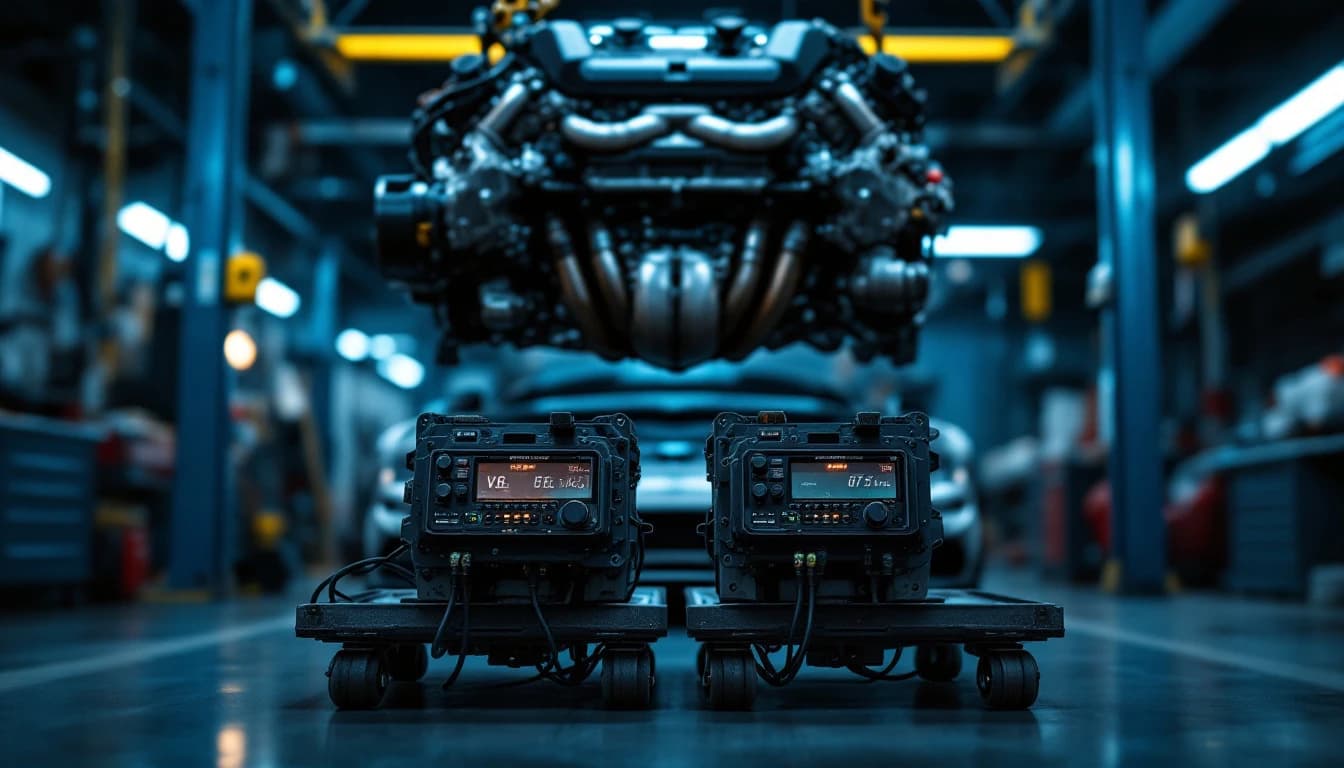
- You are doing an engine swap (a K-series into an EG or EK chassis, a J-series into a lighter car, a B-series rebuild) and the donor ECU's immobilizer does not match the chassis, so the car cranks but will not start.
- You are running a standalone or simplified harness on a test stand, a track car, or a project where the original immobilizer hardware, antenna ring, and coded keys are simply not present.
- You bought a used PGM-FI ECU and want it to run in a chassis that has no working immobilizer, with no intention of pairing keys.
- You want the engine to start and run without the key authentication handshake, because in your build there is no coded key to authenticate against.
If your Honda or Acura is roughly a 1998-2007 model year with a PGM-FI engine ECU carrying a 37820-series part number, and you want that ECU to run free of the immobilizer for a swap, standalone, or used-ECU build, our Honda/Acura ECU IMMO off service is built exactly for that. If instead you have a complete car with working coded keys and you simply replaced a dead ECU, you usually want a clone, not an IMMO off, and we will explain that distinction below.
How Honda's PGM-FI immobilizer works, and what IMMO off changes
PGM-FI stands for Programmed Fuel Injection, Honda's long-running engine management platform. On the model years that concern us, the engine ECU does two jobs: it controls fuel and ignition, and it holds the immobilizer half of the anti-theft handshake, what Honda's documentation refers to as the IMMOES (immobilizer engine system) exchange.
Here is what happens every time you turn the key on a stock car:
- The transponder chip in the key head powers up from the antenna ring around the ignition lock.
- The immobilizer control unit reads the key's rolling code.
- That code is compared against the codes stored in the engine ECU.
- Only when the key code matches does the ECU release the injectors and allow spark.
The decisive detail is step 3. The engine ECU expects a valid key code on every start. In a swap or standalone build, there is no matching immobilizer box and no coded key wired in, so step 3 never succeeds and the ECU withholds injection forever. The starter still cranks, because cranking is a separate circuit, which is why a swapped car spins over strongly yet never catches.
IMMO off changes step 3. We turn the immobilizer function OFF inside the ECU's calibration so the ECU no longer waits for a key handshake before it fires injectors. With the immobilizer disabled, the ECU treats the engine as authorized and runs on its own, exactly what a standalone or swapped build needs.
This robustness is by design. The National Highway Traffic Safety Administration notes that immobilizing-type devices stop a vehicle from being bypassed and hot-wired by disabling fuel or spark until a valid key is seen. That same strength is what blocks your swap until the immobilizer is turned off in the controller.
IMMO off versus ECU clone: pick the right service
These two services solve different problems, and choosing wrong wastes a shipment.
| Question | IMMO off | ECU clone |
|---|---|---|
| Does the car have working coded keys you want to keep? | No | Yes |
| Is there a matching immobilizer box in the chassis? | No, or you do not want to use it | Yes |
| Goal | Run with no key handshake | Keep security, move data to a donor ECU |
| Typical use | Swap, standalone, bench, track car | Replaced a dead ECU in a complete car |
| Result | ECU runs without authentication | Donor authorizes your existing keys |
If you have a complete, registered car with good keys and you just want a replacement ECU that keeps the factory security intact, you want the clone. If you are building something where the immobilizer is in the way and there is no coded key to honor, you want IMMO off. When in doubt, message us your build details before shipping and we will tell you which path fits.
Models and years we cover
The IMMO off applies broadly across the late-1990s through mid-2000s Honda and Acura lineup that used an immobilizer-coded engine ECU. Common candidates include:
| Brand | Models | Typical year range |
|---|---|---|
| Honda | Civic, Accord, CR-V, Element, Odyssey | ~1998-2007 |
| Acura | TL, CL, MDX, RSX, TSX | ~1999-2007 |
Year boundaries vary by model and market. The deciding factor is not the badge; it is whether the engine ECU is the immobilizer-coded type with a 37820-series part number. These platforms remain a staple of the work that the roughly 805,600 automotive service technicians and mechanics counted by the U.S. Bureau of Labor Statistics see every week, which is why donor ECUs and swap builds around them are so common. Newer Hondas moved immobilizer authority into body modules and a separate immobilizer unit, which changes the architecture and is generally not an IMMO-off candidate. If you are unsure where your ECU falls, the services overview lists the modules we handle and you can send us your ECU part number.
Symptoms in a swap or standalone build
The symptom set is narrow and consistent. The immobilizer that causes them is the same anti-theft layer the FBI's motor vehicle theft data credits, alongside other factors, with deterring a large share of drive-away thefts, so the system fights your legitimate build just as hard as it fights a thief.
Cranks but will not start, no coded key present
This is the signature. The starter spins the engine at normal speed but it never fires, because the ECU is waiting on an immobilizer handshake that your build cannot provide. People often chase fuel pumps, relays, and coils for days before realizing the block is authentication, not hardware.
Blinking immobilizer key light, or a stuck immobilizer state
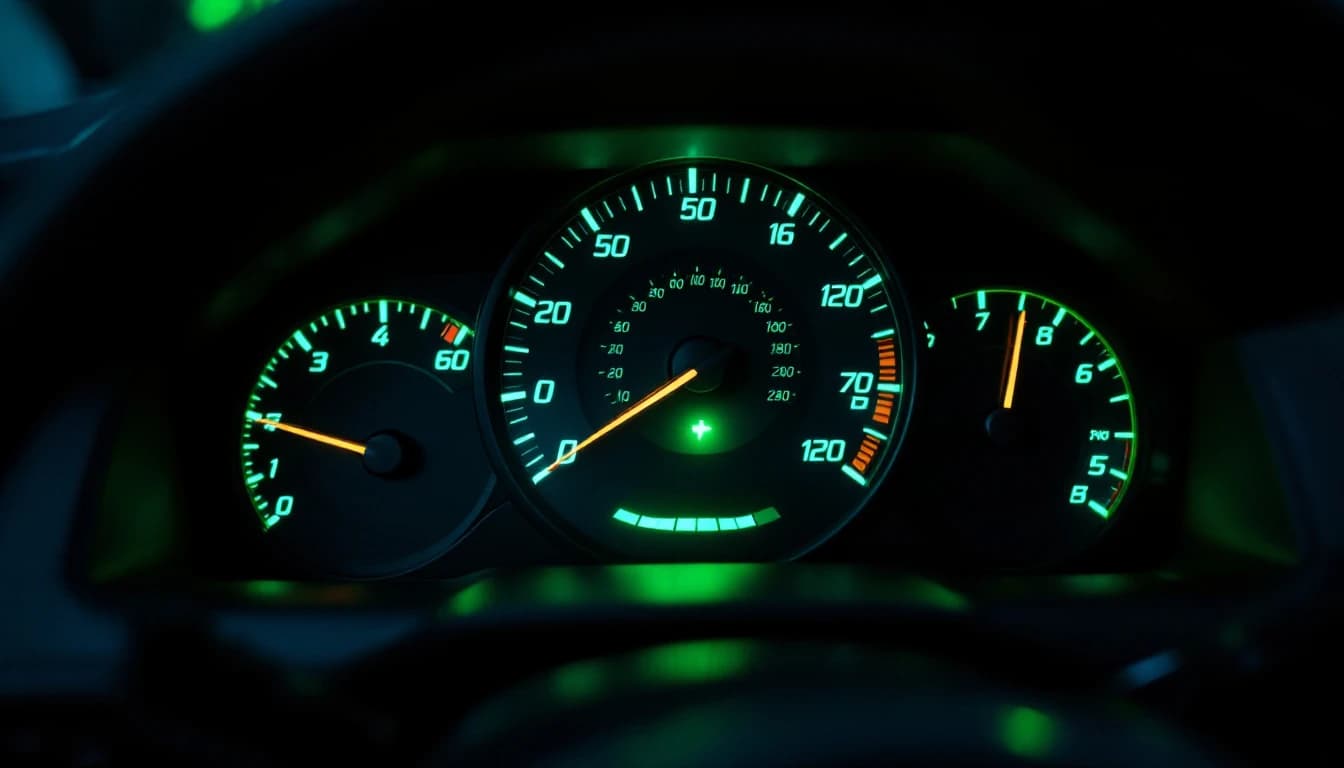
On a chassis that still has a cluster, you may see the green key-shaped indicator blink rapidly or stay lit after key-on. On a stripped standalone build with no cluster, you simply get no injector pulse with everything else apparently healthy.
No injector pulse despite good spark and fuel pressure
Scope the injector circuit and you see nothing. Spark may be present and fuel pressure normal, but the ECU is deliberately withholding injection until it sees a valid key, which it never will in your build.
The IMMO-off process, step by step
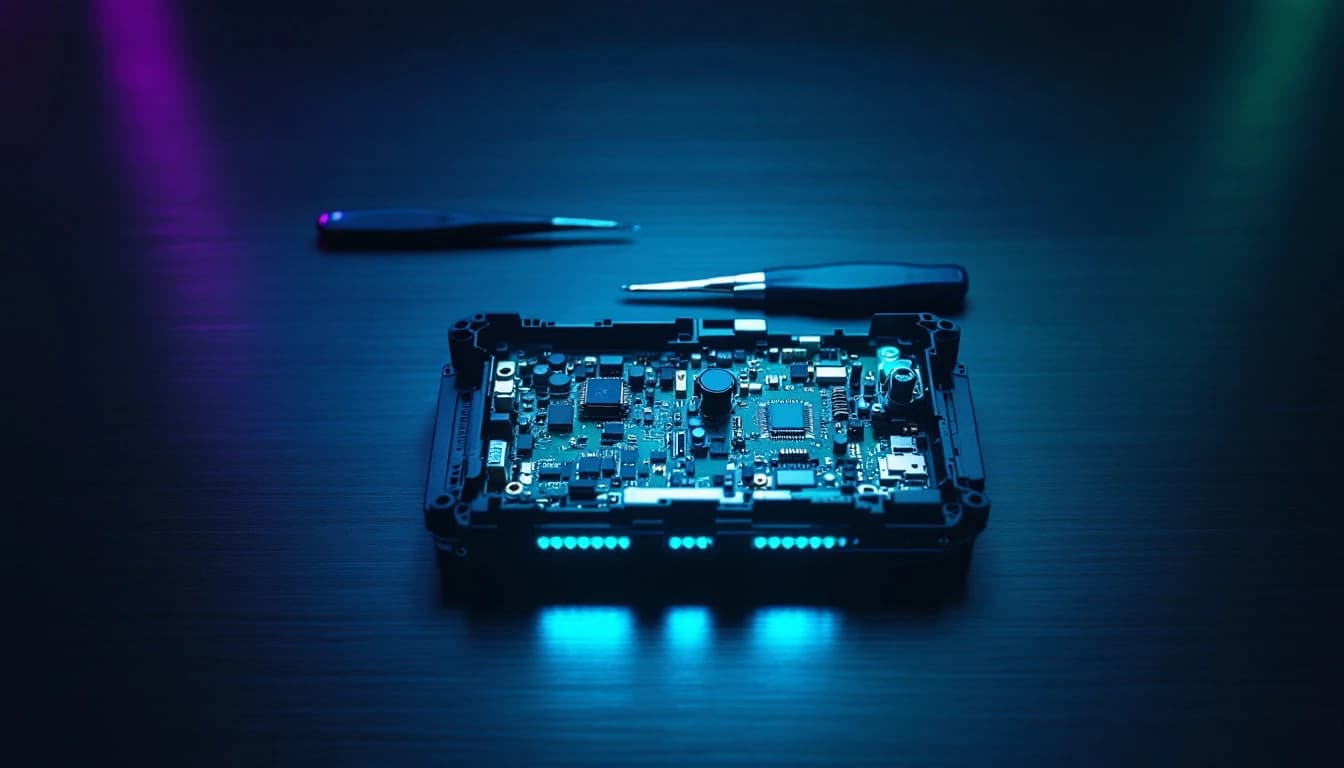
IMMO off is a calibration edit performed on the bench, off the car. We are turning the immobilizer function off in the ECU so it stops requiring a key handshake.
- Receive the ECU. You ship your PGM-FI engine ECU to our bench.
- Identify and read. We confirm the 37820-series part number and read the ECU's current calibration and immobilizer state.
- Disable the immobilizer. We turn the immobilizer function OFF in the calibration so the ECU no longer requires key authentication to fire injectors.
- Verify. We confirm the immobilizer is disabled and the rest of the calibration is intact.
- Return ship. The ECU goes back to you ready to install in your swap or standalone build, where it will start and run without a coded key.
The how it works page walks through the full mail-in flow including labels and timing.
Turnaround and shipping
We run a typical 24-hour bench turnaround once the ECU arrives. Mail-in means you pay first, ship the ECU to our Arlington, Texas bench, we perform the IMMO off within a day of receipt, and return shipping is a flat-rate tier you choose at checkout (from $29.95). The address for units is:
Auto Module Lab, PO Box 120241, Arlington TX 76012 if you ship USPS — or 1009 Oakwood Ln # 120241, Arlington TX 76012 if you ship UPS or FedEx (UPS and FedEx cannot deliver to a PO Box).
We serve customers nationwide; the bench is in Texas but the mailbox is open to all fifty states.
What to ship
To get a clean result, send the following:
- Your PGM-FI engine ECU (37820-series). This is the unit we turn the immobilizer off in.
- A note with your name, return address, phone, and the VIN or build details. Tell us the chassis, the engine, and whether the build is a swap, standalone, or bench setup.
You do not need to send keys, an immobilizer box, or a cluster. The whole point of IMMO off is that the ECU no longer needs them. If you are unsure whether your ECU is an immobilizer-coded type, photograph the white part-number label and send it to us before shipping.
What this service does NOT do
Honesty saves everyone time, so here is the boundary clearly:
- It does not fix mechanical no-starts. If the engine cranks but will not start because of compression loss, a failed crank sensor, a dead fuel pump, or a jumped timing belt, IMMO off will not help. Confirm the block is the immobilizer, not the engine.
- It is not a performance tune. We are not flashing a Hondata map, raising rev limits, or changing fuel and timing. This is a security-function edit only. If you need tuning, that is separate work for a tuner.
- It does not defeat or bypass emissions equipment. We do not delete catalysts, EGR, or readiness monitors, and we do not disable any emissions function. The IMMO off preserves your factory emissions calibration. Tampering with federally required emissions controls is illegal under the Clean Air Act, and the U.S. Environmental Protection Agency treats aftermarket defeat devices as a serious enforcement matter. We will not do it.
- It does not add or program keys. IMMO off removes the key requirement; it does not create keys. If you actually want working coded keys, that is a clone or a key service, not an IMMO off.
- It is for legitimate builds only. We perform IMMO off for engine swaps, standalone harnesses, used-ECU builds, and bench testing where it is legally permitted. We verify the request and we do not assist vehicle theft.
Price versus the dealer
A dealer generally has no IMMO-off product for a swap. Their answer to a swapped or standalone car is to install matching factory immobilizer hardware and a coded key, then program everything, which is the opposite of what a standalone build wants.
| Path | Typical cost | Runs without coded key? | Time |
|---|---|---|---|
| Auto Module Lab IMMO off (mail-in) | $250 flat | Yes | Typical 24-hour bench + shipping |
| Dealer: add immobilizer hardware + program keys | $500-1,000+ | No, still requires a key | Multiple days, appointment |
| Source another ECU and hope it matches | Cost of ECU + risk | Only by luck | Variable, often fails |
Dealer programming labor plus the cost of immobilizer hardware and coded keys adds up quickly, and the result still ties your standalone build to a key handshake you did not want. AAA's annual Your Driving Costs study puts the average cost of owning and operating a new vehicle above $11,000 a year, so paying dealer labor to add a key handshake a standalone build never wanted is money working against you. A flat $250 IMMO off that lets a swap or standalone simply run is the lowest-friction outcome for these builds.
What a bench tech will tell you
"On a swap there's no immo box and no coded key wired in, so the ECU sits there waiting for a handshake that can never happen and never pulses the injectors. Turn the immobilizer off in the calibration and the engine just runs. It's a security-function edit, not a tune, and it has nothing to do with emissions hardware, which we leave exactly as the factory set it."
— Master automotive locksmith, 14+ years on the module bench
That last point matters legally: turning the key requirement off is not the same as touching emissions controls, which the U.S. Environmental Protection Agency regulates and enforces against separately. IMMO off leaves the factory emissions calibration intact.
Frequently asked questions
Will my engine start without any key after IMMO off?
Yes. With the immobilizer turned off in the ECU, the engine no longer waits for a coded-key handshake. It fires injectors based on the normal start conditions, which is exactly what a swap or standalone build needs.
Is IMMO off the same as a clone?
No. A clone keeps the immobilizer active and copies your existing key data onto a donor ECU so your keys keep working. IMMO off removes the immobilizer requirement entirely. Choose IMMO off for swaps and standalone builds with no coded key; choose a clone for a complete car with good keys.
Do I need to send my immobilizer box, antenna ring, or keys?
No. IMMO off makes those parts unnecessary for starting. Send only the engine ECU and a note with your build details.
Will this work on a newer Honda with push-button start?
Generally no. The immobilizer-coded-engine-ECU design is roughly a 1998-2007 era architecture. Newer Hondas spread immobilizer authority across body modules and a separate unit, which is a different procedure. Send your VIN or ECU part number and we will tell you which category you are in.
Can you turn the immobilizer back on later?
In most cases the calibration can be restored, but plan your build around the immobilizer being off. If you later want factory security back, message us and we will discuss what your specific ECU supports.
Is IMMO off legal?
Performing IMMO off for an engine swap, a standalone harness, a track car, or a used-ECU build that you own is a standard module-programming repair where it is legally permitted. We verify the request, we do not assist theft, and we do not perform emissions defeats or anything that bypasses federal safety or emissions requirements.
Ready to run your build
If your Honda or Acura swap or standalone cranks but will not start because the immobilizer is in the way, IMMO off is the cleanest path to a running engine. Order the Honda/Acura ECU IMMO off, ship us your PGM-FI ECU with your build details, and we will return a ready-to-run unit within 24 hours of receipt, shipped back via the flat-rate return tier you chose at checkout (from $29.95). Not sure whether you need IMMO off or a clone? Reach out before you ship and we will point you to the right service. You can also read more about who runs the bench on the Adrian Torres page.
Ship your module today
Flat-rate pricing, typical 24-hour bench turnaround, return speed your choice at checkout. Most jobs back on your bench within a week.