Buying or Rebuilding a Salvage-Title Car
Why a salvage car is really an electronics project
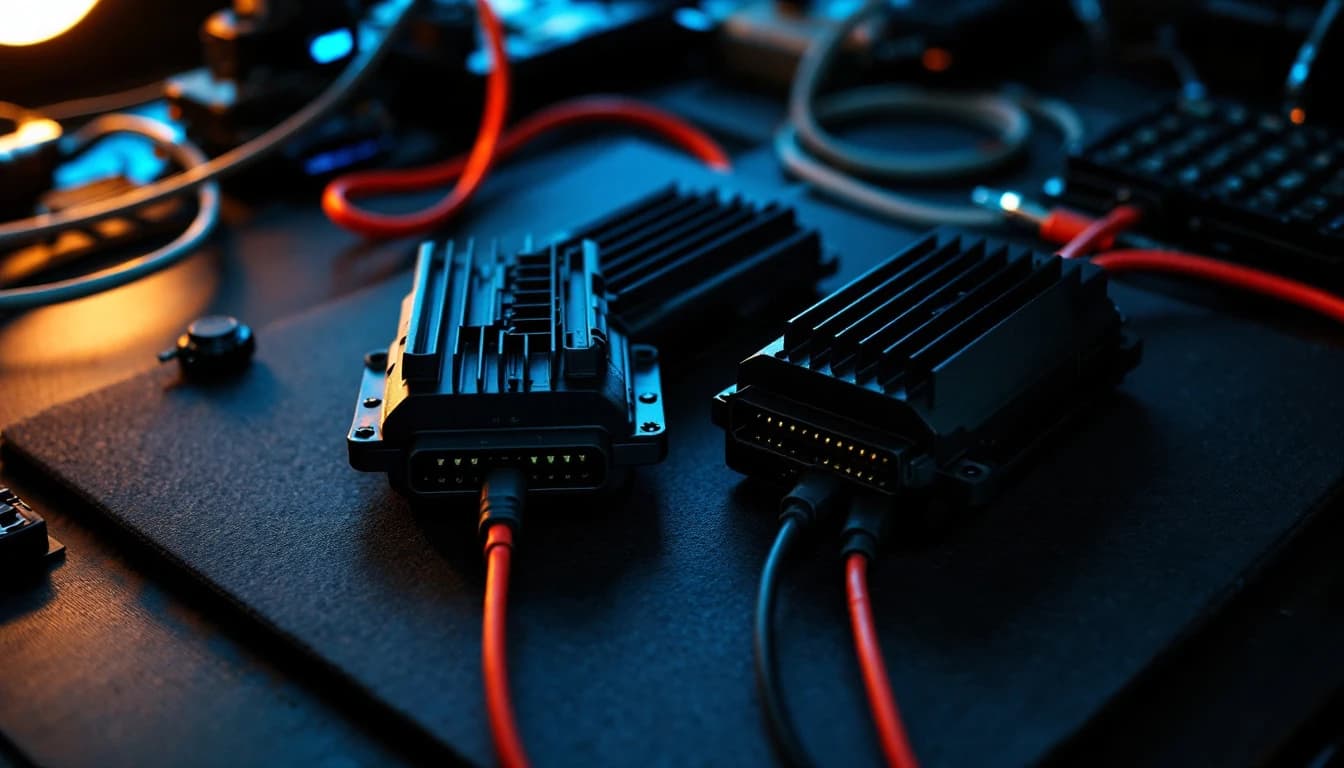
People buy a salvage or rebuilt-title car expecting a body-and-paint project. Then they get it running and discover the harder work is electronic. A modern vehicle carries the accident, the theft, or the flood in its memory: the airbag module remembers the crash, the immobilizer remembers that its keys were defeated, the cluster remembers the mileage it was reading, and half a dozen controllers may be damaged or mismatched. Panels bolt on. Modules have to be reset, repaired, cloned, or reprogrammed — and some of it is legally sensitive.
This guide is the checklist we wish every rebuilder had before they started. It walks through the modules a salvage, rebuilt, or theft-recovery car typically needs, organized by how the car was damaged, and it is deliberately strict about the compliance rules, because getting those wrong turns a rebuild into a liability.
The scale of the salvage market
Salvage and theft-recovery vehicles are not a niche. The National Insurance Crime Bureau reports that roughly a million vehicles are stolen in the United States in a typical year, and while a majority are eventually recovered, many come back stripped of ignitions, modules, or keys — exactly the parts that need reprogramming. On the collision side, the Insurance Institute for Highway Safety and NHTSA publish crash and airbag-deployment data that runs into the millions of events annually, and every deployment leaves an airbag control module that has locked itself with crash data. A large share of those vehicles are repaired and returned to the road on rebuilt titles.
The point is not that salvage cars are bad — many are excellent value. Coverage from outlets such as Hagerty on buying and rebuilding branded-title vehicles repeatedly makes the same point: the deal is only good if you have priced the hidden work, and on a late-model car the hidden work is increasingly electronic rather than mechanical. The electronic cleanup is real, predictable, and largely fixed-price — budgeting for it up front is the difference between a smart buy and a money pit.
Consider the arithmetic. A single wrecked late-model car can easily involve a deployed airbag module, a damaged ABS unit, a swapped cluster, and — if it also spent time as a theft-recovery — a compromised immobilizer. Priced individually at flat bench rates, that whole electronic scope is knowable before you buy the car, which is exactly the kind of certainty a rebuilder needs when deciding whether a salvage auction number actually pencils out.
Checklist by damage type
Different damage leaves different electronic fingerprints. Match your car to the closest scenario.
Collision-recovery (airbag deployed, front/side impact)
- Airbag / SRS module — crash data. After a deployment, the SRS control module writes permanent crash/hard-fault data and refuses to arm. It must be reset or the data cleared before the restraint system will function again. This is the single most common salvage-rebuild electronic task.
- ABS module. Front and side impacts frequently damage the ABS/hydraulic control unit or its wiring. A failed unit may be repairable at the board level rather than replaced.
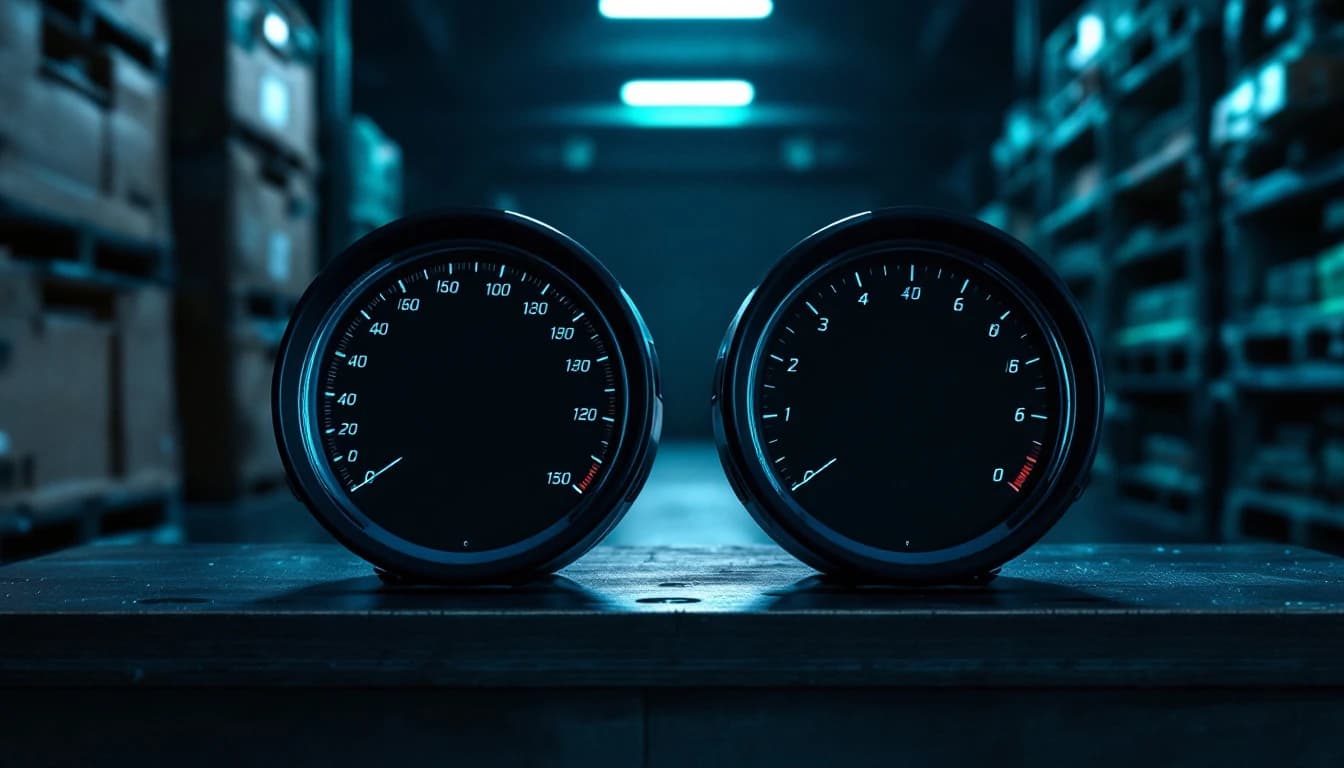
- Instrument cluster. If the dash was struck or the cluster was swapped during repair, the mileage must be corrected to match the vehicle.
- Body control module. Impact-side BCMs can be damaged and may need cloning to a replacement.
Theft-recovery (stolen, ignition/immobilizer defeated)
- BCM / immobilizer reprogramming. Thieves defeat or destroy the ignition and immobilizer path. Recovered cars routinely need the BCM cloned or reprogrammed and the immobilizer re-linked.
- All-keys-lost key programming. If keys were taken or the ignition was replaced, you may have no working key and need keys programmed from scratch — the definition of "all keys lost."
- Keyless entry / RF module. A stripped-out or damaged keyless module may need repair.
- Cluster. A replaced cluster from a theft repair needs mileage synced.
Flood-recovery (water intrusion)
- Multiple corroded modules. Water is the worst case: BCM, ABS, cluster, and body modules can all corrode. Board-level inspection and repair or cloning is often needed across several units.
- Immobilizer path. Corrosion in the immobilizer circuit can leave a no-start that mimics a theft, requiring the same BCM/immobilizer work.
The airbag module — reset, and what it does NOT do
This is the compliance line rebuilders most often cross by accident, so read it carefully.
A deployed airbag/SRS module can have its crash data cleared so the restraint system will arm again and the SRS light will go out. That is a legitimate, necessary step in returning a wrecked car to service. But clearing the module does not replace the physical safety hardware. The deployed bags, the blown seatbelt pretensioners, the crushed impact sensors, the clockspring — all of that is spent metal and fabric that must be physically inspected and replaced by a qualified restraint shop before the car is safe.
Clearing the module on a car that still has deployed bags gives you a green light on a system that will not protect anyone. NHTSA is explicit that airbags are single-use, life-safety devices; the module reset is the electronic half of a repair whose physical half is non-negotiable. We reset the module. You and a qualified restraint shop are responsible for the hardware. Do not confuse the two.
"The airbag reset is one line item on a restraint repair, not the whole job. I clear a module and the first thing I tell the customer is: this only means the computer will arm again — go get the bags, the pretensioners, and the clockspring replaced by someone who does restraints. A cleared light on a car with spent bags is the most dangerous false sense of security in this whole trade." — Restraint systems and SRS specialist, 15+ years (anonymized)
Proof of ownership — the hard rule on a salvage car
Salvage and theft-recovery cars are exactly the vehicles where a shop must be strict about ownership, and a reputable bench shop is. Any work that touches the immobilizer, the BCM, key/anti-theft data, or programs keys requires proof of ownership: the title (or salvage/rebuilt title) plus a matching photo ID, provided before that class of work begins.
On a rebuilt or theft-recovery vehicle this matters more, not less, because the whole category is adjacent to theft. Showing clean title-and-ID protects you as the legitimate rebuilder and keeps the shop's work above board. If an online seller or mobile "programmer" offers to marry an immobilizer or cut keys to a salvage car with no ownership check, treat it as a red flag. The Federal Bureau of Investigation tracks motor-vehicle theft as a significant property-crime category precisely because stolen vehicles get re-keyed and re-titled; the ownership check is how the honest side of the trade stays honest.
Mileage and the cluster — get it right, legally
If the instrument cluster was replaced during the repair — common on collision and theft jobs — the odometer reading on the new cluster will not match the vehicle. Correcting the cluster with a proper mileage sync sets the odometer to the vehicle's true, documented mileage so the reading is accurate and legal.
This is a place to be careful and honest. Federal odometer law makes it illegal to alter a reading to misrepresent mileage. A legitimate mileage sync does the opposite: it transfers the vehicle's true mileage to a replacement cluster so the odometer tells the truth. Keep your documentation — the prior cluster reading, service records, and title mileage — so the corrected figure is provable. Carfax and similar history services flag odometer inconsistencies, and a clean, documented sync keeps your rebuild's records straight. We sync to the true mileage you document; misrepresentation is not a service anyone should offer.
The salvage module comparison
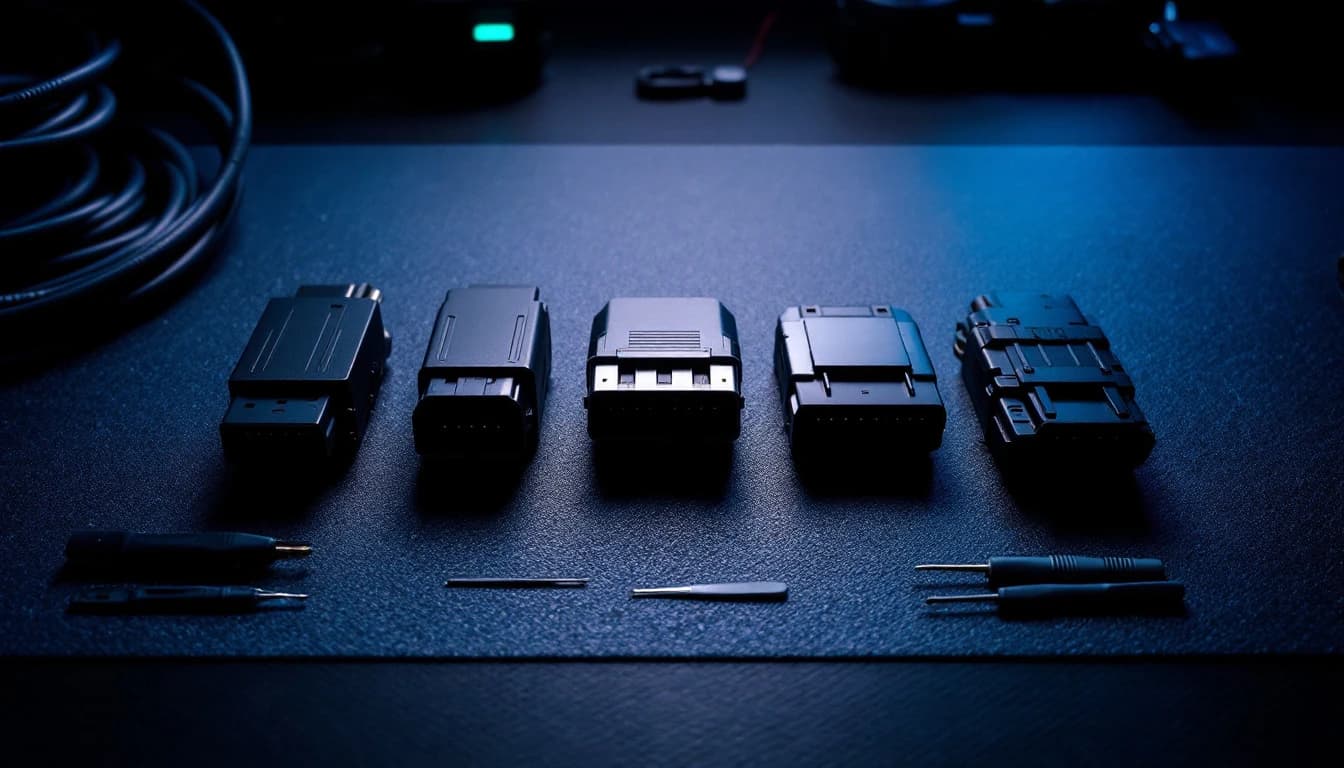
Here is how the common salvage-rebuild modules line up — what triggers the work, what the bench does, and the flat price.
| Module / task | When you need it | What the bench does | Price |
|---|---|---|---|
| Airbag / SRS crash-data clear | After any airbag deployment | Reset/clear crash data so the system arms | $75 |
| ABS module repair | Impact or flood damage to the ABS unit | Board-level repair of your original unit | $499 |
| GM BCM standalone clone | Theft, flood, or damaged BCM | Clone your data to a replacement BCM | $199 |
| Instrument cluster repair + mileage sync | Cluster replaced or damaged | Repair and sync to true mileage | $200 |
| Keyless entry module repair | Stripped or damaged keyless/RF module | Repair the keyless entry module | $125 |
Add return shipping from $29.95, chosen at checkout, so the total for each item is known before you ship. Because these are flat rates on defined operations, a rebuilder can budget the whole electronic scope of a project before committing.
Sequence matters — do it in the right order
On a full rebuild, the order you tackle modules in saves rework:
- Establish ownership and documentation first. Title, ID, and the true mileage figure. Nothing immobilizer- or key-related proceeds without it.
- Repair the physical restraint hardware (bags, pretensioners, sensors, clockspring) at a qualified shop — then clear the airbag module, so you are not arming a system you are still repairing.
- Address power and no-start electronics — BCM/immobilizer and any corroded controllers — so the car starts and communicates reliably.
- Program keys once the immobilizer path is sound.
- Sync the cluster to true mileage once the correct cluster is in place.
- Verify ABS and safety systems are functional and fault-free before the car sees an inspection lane.
Doing the airbag clear before the hardware is replaced, or programming keys before the immobilizer is sound, just means doing it twice.
Your responsibility as the rebuilder
This is the part no shop can do for you. On a salvage or rebuilt-title vehicle, you are responsible for the car's legal roadworthiness, its required rebuilt/salvage inspection, and its registration. A module reset or a key program is a component service; it is not a certification that the vehicle is safe or road-legal. Most states require a rebuilt-title vehicle to pass a specific inspection before it can be registered and driven, and that inspection covers exactly the safety systems — restraints, brakes, structure — that salvage cars most often have compromised.
Bench programming gets the electronics right. Passing inspection, carrying the correct title brand, and putting a genuinely safe car on the road is on the owner. Treat the two as partners, not substitutes.
Where mail-in bench work fits a rebuild
The rebuilder's advantage in mailing modules is the same one that helps everyone else, sharpened by the fact that a project car is often not driveable yet: you ship the module, not the car. A theft-recovery no-start or a half-finished rebuild does not need to be towed anywhere. You pull the airbag module, the BCM, the ABS unit, or the cluster, ship it, and get it back configured — all while the car sits on your lift.
For the specific playbooks, the guide on theft-recovery vehicle module programming drills into the immobilizer-and-key side, and if you run into a module that refuses to accept a swap, what a VIN-locked module means and what to do explains why and how cloning solves it.
How the mail-in process runs
- Text us first, with documentation. Send the module part/service numbers off the case labels, photos of those labels, what happened to the car (collision, theft, flood), and — for any immobilizer, BCM, or key work — a copy of the title and matching ID. We confirm each module is serviceable and quote flat prices before anything ships.
- Remove and ship the modules. Pull the airbag module, ABS unit, BCM, cluster, or keyless module and ship them to PO Box 120241, Arlington TX 76012 if you ship USPS — or 1009 Oakwood Ln # 120241, Arlington TX 76012 if you ship UPS or FedEx (UPS and FedEx cannot deliver to a PO Box) in anti-static bags and padded boxes.
- Bench work. We read and archive your data, then reset, repair, clone, or sync on a regulated bench supply — no in-car voltage-sag risk.
- Return with tracking. Everything ships back on the return tier you chose at checkout (from $29.95). You reinstall and move on to inspection.
Frequently asked questions
Does clearing the airbag module mean my car is safe to drive after a crash? No. Clearing the SRS module only lets the system arm electronically and turns off the warning light — it does not replace any physical safety hardware. Deployed airbags, blown seatbelt pretensioners, damaged sensors, and the clockspring are single-use parts that a qualified restraint shop must physically inspect and replace before the car is actually safe.
What proof of ownership do I need for salvage immobilizer or key work? You need the vehicle's title (including a salvage or rebuilt title) plus a matching photo ID, provided before any immobilizer, BCM, or key programming begins. This rule is stricter on salvage and theft-recovery cars because the category is adjacent to theft, and a reputable shop enforces it to protect both you and the legitimacy of the work.
Is syncing the odometer on a replaced cluster legal? Yes, when it is done to reflect the vehicle's true, documented mileage. Federal law prohibits altering a reading to misrepresent mileage, but a proper sync does the opposite — it transfers the real mileage to a replacement cluster so the odometer is accurate. Keep your prior reading, service records, and title mileage as documentation of the correct figure.
Which modules does a theft-recovery car usually need? Theft-recovery vehicles most commonly need the BCM and immobilizer reprogrammed or cloned because thieves defeat the ignition, plus all-keys-lost key programming if the keys are gone or the ignition was replaced. A stripped keyless module may need repair, and any cluster swapped during the repair needs mileage synced to the true value.
Can I ship modules from a car that does not run yet? Yes — that is one of the main reasons rebuilders use mail-in bench work. You remove the individual module and ship only the module, so a no-start, half-finished, or non-driveable project never needs a tow. The car stays on your lift while the airbag module, BCM, ABS unit, or cluster is serviced and returned.
Whose responsibility is passing the rebuilt-title inspection? Yours, as the owner. A module reset or key program is a component service, not a roadworthiness certification. Most states require a rebuilt or salvage vehicle to pass a specific safety inspection before it can be registered, and that inspection — covering restraints, brakes, and structure — is the owner's responsibility to arrange and pass.
Can a damaged ABS or BCM be repaired instead of replaced? Often, yes. Impact and flood damage frequently affect the ABS hydraulic control unit or the BCM, and many can be repaired at the board level or cloned to a replacement rather than bought new. Send the part number and a photo of the module first, and we will confirm whether repair or cloning is the right path before you ship.
The bottom line
A salvage, rebuilt, or theft-recovery car is an electronics project as much as a body project. Expect to address several modules: the airbag/SRS module holds permanent crash data after a deployment, the ABS unit may need board-level repair, a theft or stripped ignition means BCM and immobilizer reprogramming plus possibly all-keys-lost keys, and any replaced cluster needs its mileage synced to the true figure. Each is a flat-rate bench job, and shipping only the module means a non-driveable project never needs a tow.
Two rules are non-negotiable. Clearing the airbag module is the electronic half of a restraint repair whose physical half — replacing the spent hardware — a qualified shop must complete; and all immobilizer, BCM, and key work requires proof of ownership up front. Beyond that, you the owner are responsible for the car's legal roadworthiness, inspection, and registration. Text us your part numbers and title first, and we will confirm each module and quote flat prices before anything ships.
Ship your module today
Flat-rate pricing, typical 24-hour bench turnaround, return speed your choice at checkout. Most jobs back on your bench within a week.