Volvo CEM Key Programming and Clone Guide (2026)
Who this is for
You should keep reading if any of these match your situation:
- You lost all keys to a P2 or P3 Volvo such as an S60, S80, V60, V70, XC60, XC70, or XC90 and the car will not start.
- You have one working key on an older Volvo and want a reliable spare before the last key dies.
- A CEM failed and you bought a used donor CEM, and now the car will not start because the donor does not match your VIN and keys.
- A dealer or independent shop quoted a high all-keys-lost price plus a tow, and you want a bench-level mail-in alternative.
If any of those describe you, the Volvo CEM key programming and clone service covers the work for a flat 250 dollars. Before shipping, read the scope and the honest "does not fix" section so you send the right parts the first time.
How the Volvo immobilizer works
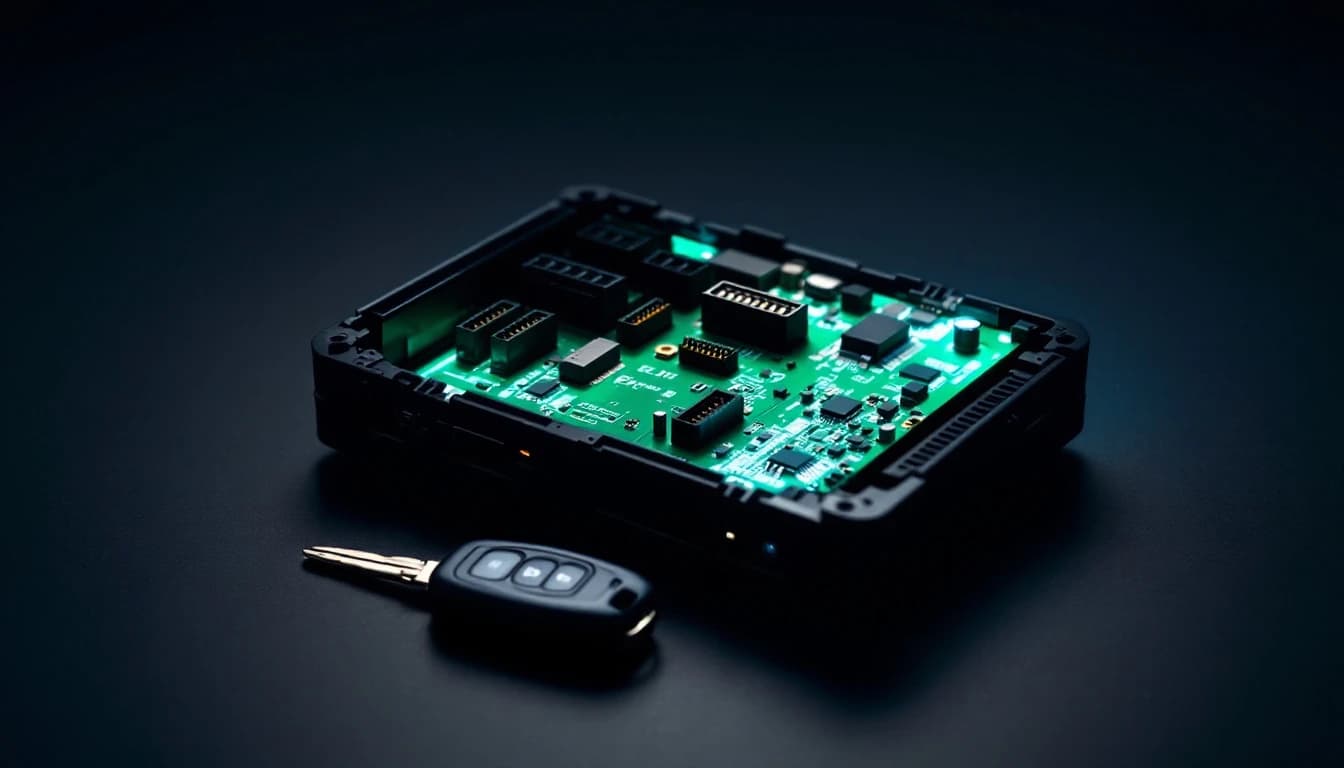
Volvo centralized a large amount of body and security logic into a single module called the Central Electronic Module, almost always referred to as the CEM. On the two generations this guide covers, the immobilizer and the key data live inside the CEM:
- P2 platform, roughly 2000-2009: S60, S80, V70, XC70, and XC90.
- P3 platform, roughly 2007-2016: S60, V60, XC60, XC70, S80, and V70.
The CEM stores which keys are authorized and the immobilizer secret. The engine control module, the ECM, holds a synchronization value that must agree with the CEM for the car to start. Volvo enthusiast and technical communities have documented this CEM-centric architecture in depth (see the Matthews Volvo Site owners community on CEM and immobilizer behavior), and the onboard-diagnostics framework that underlies module communication is defined by the SAE J1979 standard.
The start sequence on a healthy car looks like this:
- You insert the key or press start. The transponder in the key exchanges a cryptographic challenge with the antenna at the ignition.
- The CEM checks whether that key is one it has authorized.
- The CEM and the ECM confirm their shared synchronization value.
- Only when the key is valid and the CEM-to-ECM sync passes does the ECM enable fuel and spark.
Because the CEM holds the authorized-key list and the immobilizer secret, the CEM is the module a locksmith reads to add, replace, or recover keys. There is no shortcut around it.
The three jobs: add, recover, clone
Volvo CEM work splits into three distinct jobs, and knowing which one you have determines what you ship.
Add a key
You have at least one working key and want a spare. This is the lowest-risk job because the existing key gives us a known-good reference. Adding a spare before your last key fails is always cheaper and less stressful than an emergency all-keys-lost recovery.
All-keys-lost recovery
You have no working key. The CEM must be read on the bench to recover the immobilizer data and the authorized-key information, then a new key is programmed and, if needed, cut. Because the CEM and the ECM must stay in sync, an all-keys-lost job requires you to ship the ECM along with the CEM and at least one key blank or key to be programmed.
CEM clone to a donor module
Your original CEM has failed electrically but its data is still readable, or you already have a donor CEM that needs to inherit your car's identity. A clone copies the original VIN, mileage, key count, and configuration onto the donor module so the car accepts it as its own. This is the path that rescues a car after a CEM hardware failure without forcing a full reprogramming from the dealer.
Symptoms and failure modes
The faults that send Volvo owners to a CEM job tend to be clear once you know what to look for.
No-start with an immobilizer or key message
The classic all-keys-lost or failed-key symptom. The car may crank without starting, or show a key or immobilizer warning on the dash. If the key is not recognized, the ECM never gets the go-ahead to fire.
CEM hardware failure
Volvo CEMs are known for age-related electronic faults. When a CEM degrades you can see intermittent electrical gremlins, no-crank conditions, or a car that simply stops recognizing keys. Replacing the CEM with a raw used unit does not work on its own because the donor carries a different identity and a different key set; that is exactly what the clone job solves.
Donor CEM installed but car will not accept it
Someone already swapped in a used CEM and now the car will not start because the donor was never cloned to the VIN and keys. This is recoverable on the bench as long as both the original CEM data and the donor are available.
Mismatched ECM and CEM sync
If the ECM and CEM synchronization value no longer agrees, often after a module swap, the car immobilizes. This is why the ECM travels with the CEM on the harder jobs. A common version of this is a car that ran fine, then had an ECM replaced for an unrelated engine fault, and immediately refused to start afterward. The new ECM never inherited the synchronization value the CEM expects, so the immobilizer stays locked even though the engine itself is healthy. Aligning the sync on the bench restores the start without throwing parts at the problem.
Intermittent no-crank that comes and goes
Aging CEMs can produce a frustrating pattern where the car starts fine on most days, then refuses on a cold morning or after sitting overnight. Owners often replace the battery, the starter, and the ignition switch chasing it before the real culprit, a degrading CEM, is identified. If the no-start tracks with a security or key message rather than a dead electrical system, the CEM is the prime suspect, and a clone to a sound donor module ends the intermittent behavior for good.
The reliability stakes here are real. The IIHS / Highway Loss Data Institute has documented that vehicles fitted with electronic immobilizers carry sharply lower theft-claim frequencies, which is also why these systems are unforgiving when the security modules fall out of sync.
The mail-in process, step by step
The whole reason to mail the CEM is that reading and writing the immobilizer data is bench work that needs the right tooling and a stable setup. Here is the flow:
- Pay and start the order. Choose the Volvo CEM key programming and clone service and complete the 250 dollar order. Tell us the year, model, VIN, and whether this is an add-a-key, all-keys-lost, or clone job.
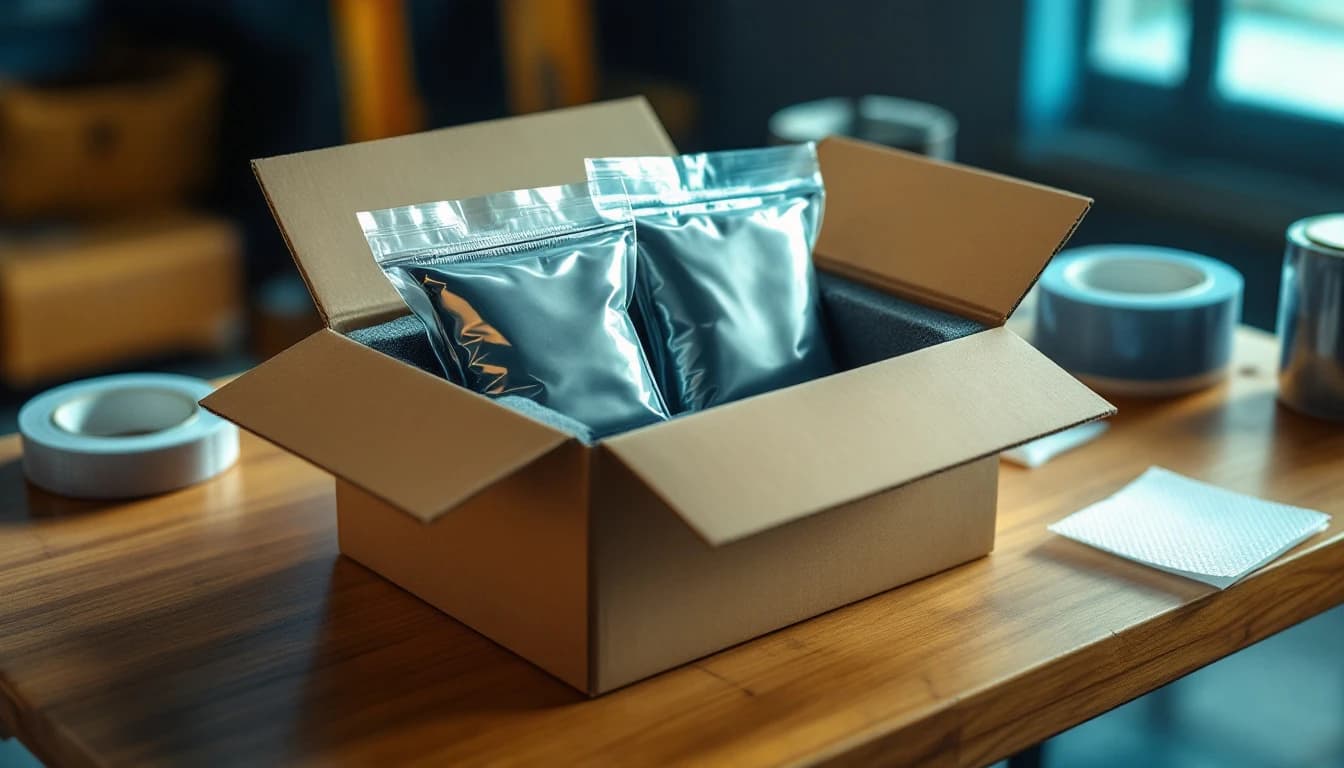
- Ship the modules to the bench. Pack the CEM, plus the ECM and a key for the jobs that need them, and send everything to Auto Module Lab, PO Box 120241, Arlington TX 76012 if you ship USPS — or 1009 Oakwood Ln # 120241, Arlington TX 76012 if you ship UPS or FedEx (UPS and FedEx cannot deliver to a PO Box). The submission checklist lives on the how it works page.
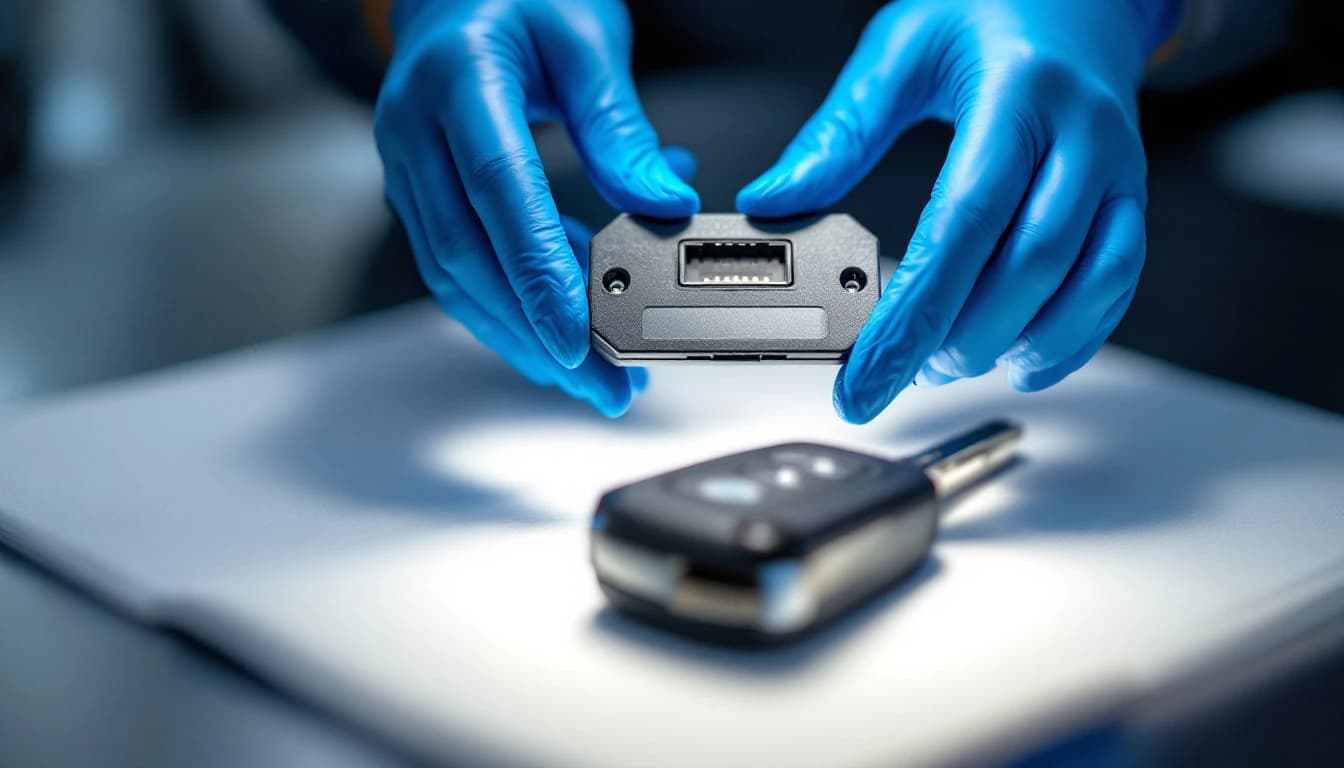
- typical 24-hour bench turnaround. On arrival the CEM is read, the immobilizer data is recovered or cloned, the ECM sync is aligned where required, and your key is programmed. Most jobs are completed and back in outbound mail within 24 hours.
- Flat-rate return shipping, chosen at checkout. Your modules and programmed key ship back with tracking via the tier you picked (from 29.95 dollars). You reinstall, insert or present the key, and the car starts.
What to ship
- The CEM. Always required; it holds the immobilizer and key data.
- The ECM. Required for all-keys-lost and for P3 jobs, because the CEM-to-ECM synchronization must be re-established. P3 specifically needs the ECM for the CEM-ECM sync.
- At least one key to be programmed, or the original working key for add-a-key verification.
- For a CEM clone: the original CEM (for its data) and the donor CEM, plus the VIN, mileage, key count, and configuration details so the clone is exact.
- A door lock cylinder OR the dealer key code if a mechanical blade must be cut and there is no working key to copy.
- Your contact details and VIN written inside the box.
Honest scope: what this does NOT fix
- A no-start that is not immobilizer related. A failed fuel pump, dead battery, bad starter, or crank-sensor fault will not be solved by key work. Diagnose mechanical no-starts first.
- General CEM electrical repair beyond key and identity work. If your CEM has a circuit-level fault unrelated to the immobilizer, that is a different repair conversation.
- Newer keyless platforms outside P2 and P3. Volvo platforms after P3 use different architectures. Send your VIN first to confirm coverage before shipping.
- Comfort, lighting, or convenience faults that live in other modules.
When you are unsure, send a photo of the module labels and the VIN before shipping. Confirming coverage costs nothing and prevents a wasted shipment.
P2 versus P3: why the generation matters
The single most important question before you ship is which generation your Volvo is, because it changes what travels in the box.
On P2 cars, roughly 2000-2009 across the S60, S80, V70, XC70, and XC90, the CEM and immobilizer architecture is somewhat more self-contained. An add-a-key job with a working key in hand can sometimes be completed with the CEM alone, though for all-keys-lost the ECM is still needed to confirm and re-establish the start handshake.
On P3 cars, roughly 2007-2016 across the S60, V60, XC60, XC70, S80, and V70, the CEM-to-ECM relationship is tighter and the synchronization value is enforced more strictly. For P3 work the ECM ships with the CEM as a rule, not an exception, because the sync between the two modules has to be re-established for the car to start. If you are unsure which generation you have, the VIN tells the story; send it before shipping and we will tell you exactly what to include.
A practical note on overlap years: the XC70 and V70 names span both generations, so model name alone is not enough to determine P2 versus P3. The model year and VIN settle it. This is why we ask for the VIN up front rather than guessing from the badge on the tailgate.
Price versus the dealer
The cost gap is the main reason owners choose mail-in. A Volvo dealer all-keys-lost job commonly runs 350 to 600 dollars once you add the key, the programming labor, and a tow, since the car cannot be driven in without a key. A CEM replacement done the dealer way can be even more expensive because of module ordering and reprogramming time. The Auto Module Lab flat rate of 250 dollars includes the bench read or clone, the key, and the programming; return shipping is a flat-rate tier added at checkout (from 29.95 dollars).
| Path | Typical cost | Tow needed | Includes key |
|---|---|---|---|
| Volvo dealer all-keys-lost | 350 to 600 dollars | Often | Yes |
| Dealer CEM replace and program | 600 dollars and up | Often | Sometimes |
| Auto Module Lab mail-in | 250 dollars flat | No | Yes |
The trade-off is the few days of shipping each way. In return you avoid the tow bill, get a controlled bench process, and pay a flat rate that covers the key. For context on how much vehicle electronics now drive ownership cost, AAA's Your Driving Costs research tracks maintenance and repair as one of the larger line items in total cost of ownership, and security-module work sits squarely in that bucket.
The CEM is not the only Volvo controller that refuses a used replacement. As of September 2026 the same 250 dollar flat bench clone also covers a water-damaged Volvo CEM onto a donor when no key work is needed, the P3 rear electronic module (REM), the Denso and Bosch ME9.0 engine ECU, and the P2 climate control module (CCM). Our Volvo module cloning cost guide lays those out side by side, including which faults are the module and which are wiring. These cars are not going away soon: the P2 XC90 alone was sold across 12 model years, from 2003 to 2014, per Volvo Cars, and with the National Insurance Crime Bureau counting more than 1 million US vehicle thefts in 2023, a working immobilizer is worth keeping rather than bypassing.
"P3 Volvos are strict about the CEM-to-ECM sync, which is why we tell people to ship both modules for all-keys-lost. The clone path is the one that saves cars: when a CEM dies but its data still reads, copying the VIN, mileage, and key count onto a sound donor brings the car back without the dealer reprogramming bill."
— Master automotive locksmith, 14+ years cloning and recovering body-control modules
Frequently asked questions
Is the key data really in the CEM and not the ECM?
On P2 and P3 Volvos the immobilizer secret and the authorized-key list live in the CEM, while the ECM holds a synchronization value that must agree with the CEM. That is why the CEM is read for key work and why the ECM ships along on the harder jobs.
Do I really have to send the ECM?
For an add-a-key job with a working key, often just the CEM is enough. For all-keys-lost, and for P3 jobs generally, the ECM is required so the CEM-to-ECM sync can be re-established. When in doubt, send both.
What is a CEM clone and when do I need it?
A clone copies your original CEM's identity, the VIN, mileage, key count, and configuration, onto a donor CEM so the car accepts the replacement. You need it when your CEM has failed electrically but its data is still readable, or when a donor CEM was installed and the car will not accept it.
Why might you need a door lock cylinder?
Only when a mechanical blade key must be cut and there is no working key to copy. The bitting is encoded in the lock, so the cylinder or a dealer key code lets us cut a blade that physically turns the ignition. The transponder is programmed from the CEM data regardless.
How long will I be without the car?
You are without the modules, not the car, during shipping and the bench window. Bench turnaround is typically 24 hours from arrival, plus transit each way. The car waits in your driveway.
My Volvo is newer than 2016. Is it covered?
Possibly not under this service, since platforms after P3 differ. Send your VIN before shipping and get a clear answer on coverage and price.
Is this standard locksmith work?
Yes. Reading a CEM to add, recover, or clone keys for the registered owner is normal automotive locksmith and module work. The immobilizer systems exist because of federal anti-theft standards under the Federal Motor Vehicle Theft Prevention Standard (49 CFR Part 541), and restoring access for the legitimate owner is exactly what this service does.
The bottom line
If you have a P2 or P3 Volvo that needs a spare key, an all-keys-lost recovery, or a CEM clone, the bench is the most reliable route. Start the Volvo CEM key programming and clone order, pack the CEM with the ECM and a key where required, and ship to Auto Module Lab, PO Box 120241, Arlington TX 76012 if you ship USPS — or 1009 Oakwood Ln # 120241, Arlington TX 76012 if you ship UPS or FedEx (UPS and FedEx cannot deliver to a PO Box). We read or clone the CEM, align the ECM sync, program your key, and ship it back within a typical 24-hour bench turnaround via the flat-rate return tier you chose at checkout (from 29.95 dollars). Adrian Torres has worked as an automotive locksmith since 2012 and has run module and key benches across Texas and Florida; the about page has that history. Browse the full services list if you have more than one Volvo module that needs attention, and send the VIN first whenever you are unsure which job you have.
Ship your module today
Flat-rate pricing, typical 24-hour bench turnaround, return speed your choice at checkout. Most jobs back on your bench within a week.