GM VATS Delete on Older & Classic Cars
What VATS is, in plain terms
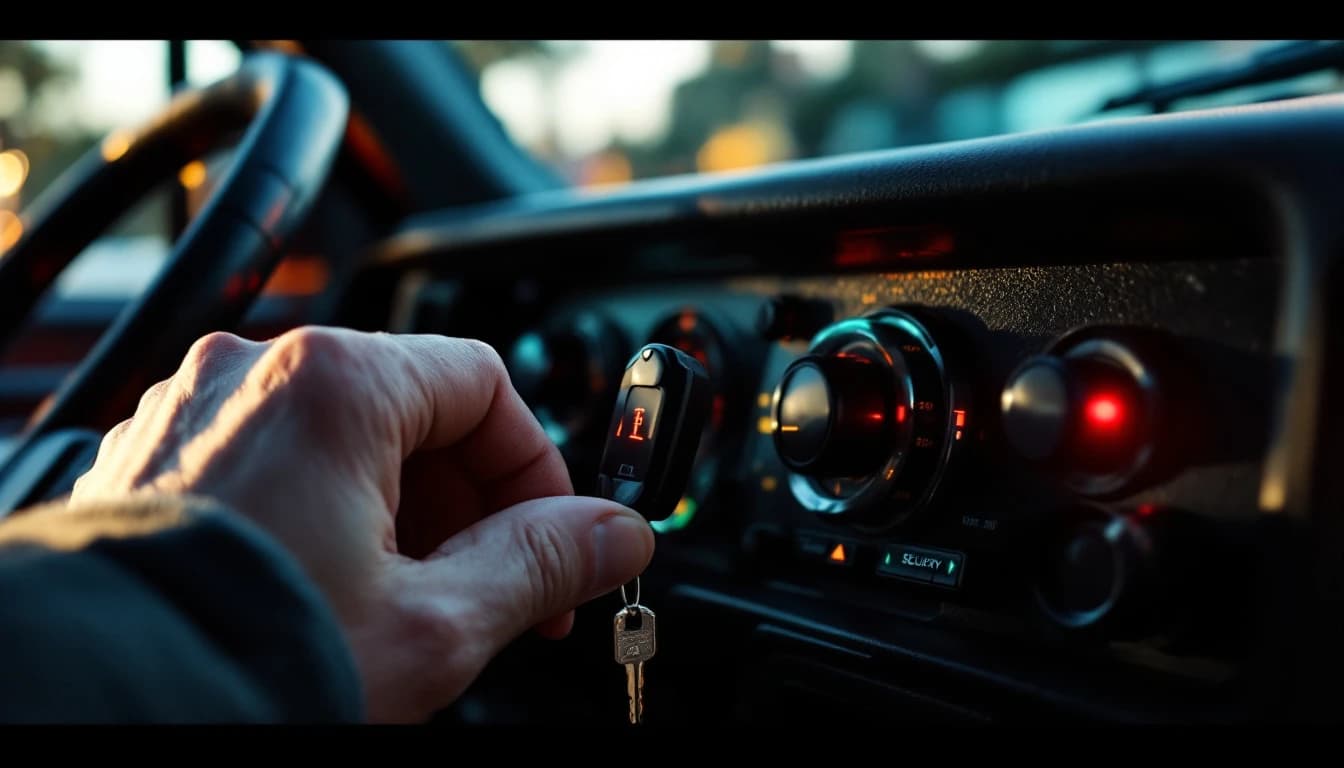
Turn the key in a lot of 1986-to-mid-2000s General Motors cars and, if you are unlucky, nothing useful happens: the starter cranks the engine over, but it will not fire, and a SECURITY light or message glows on the dash. Wait a few minutes and it may finally start, only to do the same thing again later. That behavior is the fingerprint of VATS, the Vehicle Anti-Theft System, GM's first-generation electronic engine immobilizer, also marketed as PASS-Key and PASS-Key II (Personalized Automotive Security System).
The idea was clever for its time. The ignition key is not just cut metal; molded into the blade is a small black resistor pellet, and that pellet is one of 15 specific resistance values. Two tiny contacts inside the ignition lock cylinder read the pellet as you turn the key. A control module, the theft-deterrent or PASS-Key module, checks that the measured resistance matches the value the car expects. Only if it matches does the module allow the fuel and starter-enable circuits to work. Present the wrong resistance, or no resistance, and the car locks out for several minutes before you can even try again.
Electronic immobilizers like VATS were a genuine step forward in deterring theft. The Insurance Institute for Highway Safety has long credited immobilizer technology with meaningful reductions in vehicle theft as it spread through the fleet, and the National Insurance Crime Bureau still tracks well over 1 million vehicle thefts a year in the United States, a reminder of why manufacturers kept building these interlocks. VATS did its job. The problem, decades later, is that the very hardware meant to stop a thief is now old enough to strand its own owner.
Which GM models use VATS / PASS-Key
VATS and PASS-Key appeared across a wide swath of GM's lineup from the mid-1980s into the mid-2000s, before the resistor-pellet approach gave way to the Hall-effect Passlock system (PASS-Key III) and then to modern transponder systems. Exact fitment varies by year and trim, so a technician confirms your specific car, but the resistor-pellet VATS family commonly shows up on:
- Chevrolet Corvette (C4 and into C5-era security evolution) — one of the earliest and most iconic VATS applications
- Chevrolet Camaro and Pontiac Firebird (third and fourth generation, the F-body cars enthusiasts love and swap engines into)
- Chevrolet Caprice and Impala SS (the B-body sedans and the LT1 Impala SS)
- Cadillac sedans of the era (DeVille, Fleetwood, Seville and similar)
- Buick and Oldsmobile full-size and performance models
- Pontiac Grand Prix, Bonneville and others
- Assorted GM sedans, coupes, and some trucks of the period
GM has documented its long model history at gm.com, and the enthusiast press has covered these platforms extensively; outlets like Hagerty, MotorTrend and Car and Driver regularly feature the F-body, B-body and C4/C5 Corvette because they are hugely popular in the collector and project-car world. That popularity is exactly why VATS keeps coming up: these are cars people restore, modify, and swap engines into, and the aging security system gets in the way.
Why VATS strands cars decades later
Here is the crucial point for anyone chasing a no-start on one of these cars: the usual culprit is not a thief and not the key itself. It is the wiring that reads the pellet.
Two very thin wires run from the ignition lock cylinder, up through the steering column, to the theft-deterrent module. Every time you turn the key, the column moves, and over tens of thousands of cycles and decades of heat and cold, those tiny wires fatigue and break where they flex. When a wire cracks, the module can no longer read the pellet reliably. Sometimes it reads correctly, sometimes it reads open, and the result is an intermittent no-start that comes and goes, gets worse over time, and drives owners to distraction.
Other age-related failure points pile on:
- The resistor pellet on a worn original key can degrade or read inconsistently.
- The contacts inside the lock cylinder corrode or wear.
- The theft-deterrent module itself can fail electronically.
- A replacement key cut without the correct resistor value will never satisfy the system.
The tell-tale symptom set is consistent: engine cranks but will not start, a SECURITY light on the dash, and a lockout period of roughly three to four minutes before the car will even attempt to start again. If that matches your car, you are almost certainly looking at VATS, not a fuel or ignition fault. Our GM VATS delete guide covers the core service in depth, and the broader GM security-light no-start guide walks through how to tell VATS apart from the later Passlock system.
As one veteran GM specialist put it:
"Ninety percent of the VATS no-starts I see are broken wires in the column, not the module and not the key. The customer has already bought two keys and a fuel pump before they figure out the car is locking them out on a security fault. Once you understand the resistor-pellet system, it is obvious, and deleting the check on a car this old is usually the most reliable long-term fix, because those column wires are only going to keep breaking." — Independent GM driveability specialist, 20+ years on F-body and Corvette platforms (anonymized)
What a VATS delete actually does
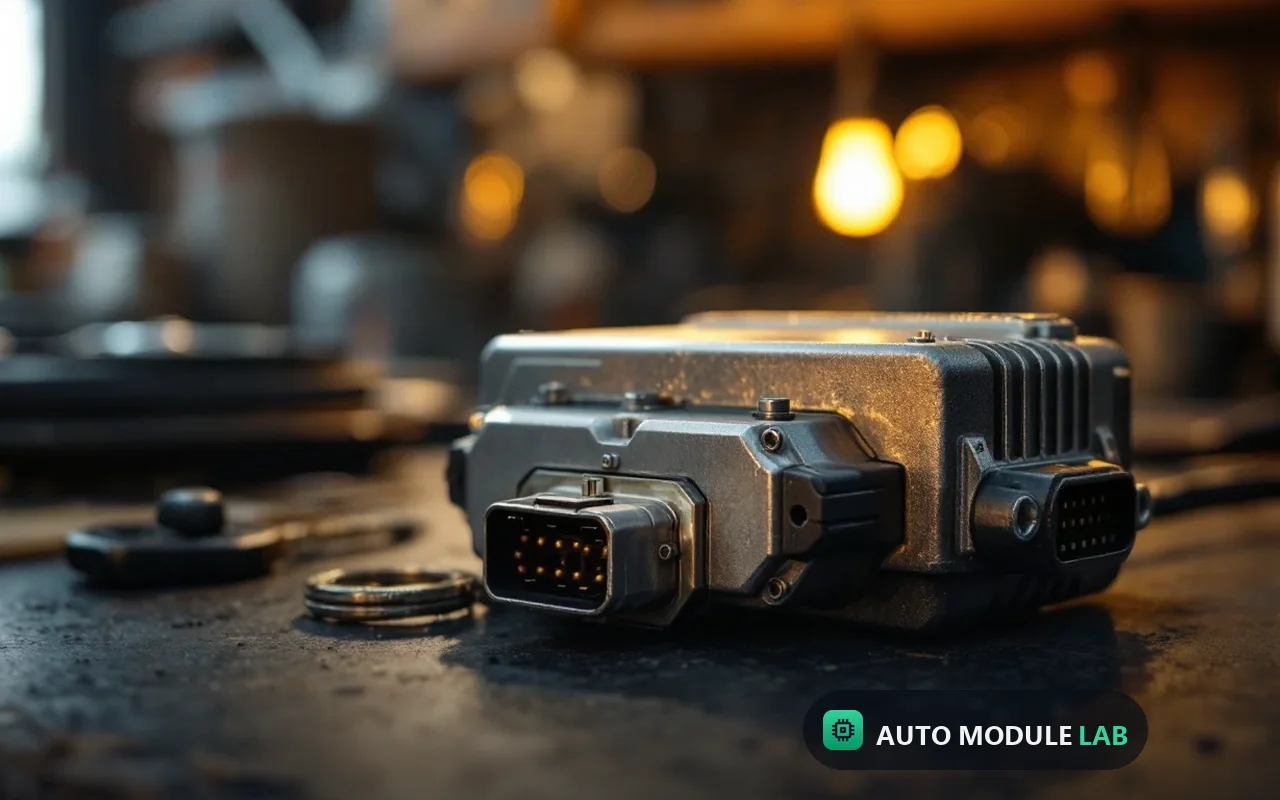
A VATS delete removes the resistance-check requirement from the theft-deterrent module so the engine will run without a valid pellet key. Instead of chasing broken column wires, worn pellets, and failing contacts on a decades-old system, the module is programmed so it no longer withholds fuel and starter enable based on the VATS reading. The car starts with an ordinary cut key, and the SECURITY-fault lockout stops stranding it.
It is worth being precise about what this is and is not:
- It removes the electronic security check that has become the failure point, which is why it is a durable fix on an aging platform.
- It does not repair the physical column wiring, the lock cylinder, or the pellet, it makes those irrelevant to whether the car starts.
- It does not repair any mechanical no-start cause, a bad fuel pump, ignition module, or crank sensor is a separate problem.
- It requires proof of ownership, because removing a theft-deterrent function is only appropriate on a car you can prove you own.
This is legitimately the right call in several common situations: a restoration or driver-quality classic where the owner is tired of intermittent lockouts, an engine swap (an LS or LT swap into an F-body, for example) where the donor drivetrain and the old VATS hardware no longer play together, an orphaned or incomplete car where the original security components are missing, and repair cases where the column wiring or module has failed and the owner wants the problem gone for good rather than patched. It is offered for those legitimate repair, restoration, off-road, and racing uses where legally permitted, and the customer is responsible for compliance with applicable local, state, and federal law.
Delete vs repair vs bypass: the honest comparison
VATS owners generally weigh three approaches. Here is how they stack up.
| Approach | What it is | Trade-offs |
|---|---|---|
| Module VATS delete (bench) | The theft-deterrent module is programmed to stop requiring the resistor value | Durable fix, ordinary key works, security check removed; requires proof of ownership |
| Repair the original system | Replace column wires, lock cylinder, correct-value key | Keeps factory anti-theft, but you are rebuilding a failure-prone 20-to-40-year-old system that may fail again |
| Resistor bypass (soldered resistor) | A hobbyist wires a fixed resistor of the matching value to fool the module | Cheap and common, but it is a hidden hack under the dash that can fail, corrode, or confuse the next mechanic |
The soldered-resistor bypass is popular in forums because it is cheap, and on some cars it works for a while, but it leaves a fragile jumper buried in the harness and does nothing about a failing module. A proper module delete addresses the check at its source. Repairing the factory system is the right move if you specifically want to preserve original anti-theft on a concours car, but on a driver or a modified car, most owners find the delete is the fix that finally stays fixed. For a full picture of module-service pricing, our module and ECU programming cost guide puts VATS delete in context with the rest of the catalog.
The mail-in bench workflow
VATS delete is a mail-in bench service: you ship the module rather than bring the car anywhere. Here is the sequence:
- Verify first. Text or email your VIN, your year, make and model, a description of the symptoms (cranks-no-start, SECURITY light, three-to-four-minute lockout), and, where relevant, a photo of the theft-deterrent module or its label. A technician confirms your car uses the resistor-pellet VATS/PASS-Key system and that the delete is the right fix. Proof of ownership is required for this security-related work.
- Locate and remove the module. The theft-deterrent / PASS-Key module location varies by model; the technician tells you where yours lives and how to remove it. Disconnect the battery first.
- Ship the module. Send it to PO Box 120241, Arlington TX 76012 if you ship USPS — or 1009 Oakwood Ln # 120241, Arlington TX 76012 if you ship UPS or FedEx (UPS and FedEx cannot deliver to a PO Box), packed in an anti-static bag inside a padded box.
- Bench program. On the bench, the module is programmed so it no longer requires the VATS resistance check, using a regulated power supply.
- Test. The result is verified before the module leaves the shop.
- Return with tracking. It ships back via the return option you pick at checkout (Standard $29.95, UPS 2-Day $54.95, or UPS overnight $94.95). Return shipping is paid by the customer. You reinstall it and reconnect the battery, and the car starts with an ordinary key.
Because the work is done on a clean bench supply rather than in an old car with a marginal battery and corroded grounds, it is both more reliable and easier to verify than fighting the system in the vehicle.
Cost and what to expect
A GM VATS delete is a flat $150 bench service, plus customer-paid return shipping chosen at checkout (from $29.95). Compared with the alternatives, the value is straightforward: a full repair of the original system can mean a new lock cylinder, new column wiring, and correctly-coded keys, parts and labor that add up quickly on a car this old, and even then you are rebuilding a system with a known failure mode. Vehicle-valuation and ownership-cost resources like Kelley Blue Book show how much interest there is in keeping these classic and performance GM cars on the road, and a reliable start is a big part of enjoying one. For owners doing an engine swap, the delete also removes an entire category of "why won't it start after the swap" headaches tied to mismatched security hardware.
Two honest caveats. First, national vehicle-safety and compliance context from the National Highway Traffic Safety Administration is a reminder that any security or emissions-related work must respect the rules for your vehicle and its use, which is why this is offered for legitimate repair, restoration, and off-road purposes and why the customer confirms legality for their situation. Second, deleting VATS removes a theft-deterrent feature; some owners of high-value collector cars prefer to keep the factory system and repair it instead. Either path is valid, and a technician will talk through which fits your car.
Frequently asked questions
What is GM VATS and how do I know my car has it? GM VATS (Vehicle Anti-Theft System), also sold as PASS-Key, is an electronic immobilizer used on many 1986-to-mid-2000s GM cars that reads a small resistor pellet molded into the ignition key. You likely have it if your car cranks but will not start, shows a SECURITY light, and locks out for about three to four minutes before it will try again. A technician confirms your exact system from your VIN and model before any work.
Why does my older GM car crank but not start with a SECURITY light? The most common reason is that the thin wires in the steering column that read the key's resistor pellet have fatigued and broken, so the theft-deterrent module can no longer verify the key and withholds fuel and starter enable. It is usually not a thief, a bad fuel pump, or the key itself, it is the aging VATS wiring, which is exactly why a module-level delete is such a durable fix on these cars.
What does a VATS delete do? A VATS delete programs the theft-deterrent module so it no longer requires the key's resistor value, which lets the engine start with an ordinary cut key and stops the SECURITY-fault lockouts. It removes the electronic check that has become the failure point; it does not repair the column wiring or fix any mechanical no-start cause, it simply makes the failing security hardware irrelevant to whether the car runs.
Do I need my original key or the resistor pellet after a delete? No, after a VATS delete you no longer need the resistor pellet or a specially coded key, an ordinary mechanically-cut key that fits the lock will start the car. That is one of the main reasons owners choose the delete on a decades-old car, because it removes the dependence on fragile pellet-and-wire hardware that keeps failing with age.
Is a soldered-resistor bypass as good as a module delete? A soldered-resistor bypass can work temporarily and is cheap, but it leaves a fragile hidden jumper in the harness that can corrode or fail and does nothing about a failing module, so it is not as durable as a proper module delete. A bench delete addresses the security check at its source in the module, which is why it tends to be the fix that stays fixed rather than a hack the next mechanic has to discover.
Is a VATS delete legal, and do you need proof of ownership? A VATS delete is offered for legitimate repair, restoration, off-road, and racing uses where legally permitted, and yes, proof of ownership is required because the work removes a theft-deterrent function. The customer is responsible for confirming the work complies with applicable local, state, and federal law for their vehicle and its intended use, and a technician verifies the car and the request before any programming.
Is this a mail-in service and how much does it cost? Yes, GM VATS delete is a mail-in bench service priced at a flat $150 plus customer-paid return shipping chosen at checkout (from $29.95). You verify fitment first, ship the theft-deterrent module to the Arlington workshop, and it is programmed on the bench, tested, and shipped back with tracking, after which the car starts with an ordinary key.
The bottom line
On older and classic GM cars from roughly 1986 to 2005, the VATS / PASS-Key resistor-pellet immobilizer was smart theft protection in its day, but decades later it strands its own owners, usually because the thin column wires that read the key pellet fatigue and break. The symptom set is unmistakable: cranks-no-start, a SECURITY light, and a three-to-four-minute lockout. A VATS delete programs the theft-deterrent module so the engine runs with an ordinary key, which is the durable fix for a restoration, an engine swap, an orphaned car, or a straightforward repair where the aging security hardware has failed.
It is a flat $150 mail-in bench service, requires proof of ownership, and does not repair mechanical no-start causes. To get started, see the GM VATS delete service page and text us your VIN, year/make/model, and a description of the no-start behavior. A technician confirms your car uses the resistor-pellet system and that the delete is the right call before anything ships, plus customer-paid return shipping chosen at checkout (from $29.95).
Ship it for the gm vats delete (1986-2005) — $250 flat
Typical 24-Hour Turnaround, return speed your choice at checkout. Prepaid inbound label by email the minute you order.