GM ECM Failure Symptoms and Replacement Programming
When the ECM itself is the suspect
The engine control module is the computer that runs the engine — fuel, spark, idle, and on modern GM vehicles a web of security and communication handshakes with the rest of the car. When it fails, the symptoms can look like almost anything, which is exactly why so many GM ECM failures get misdiagnosed as fuel pumps, crank sensors, or ignition switches first.
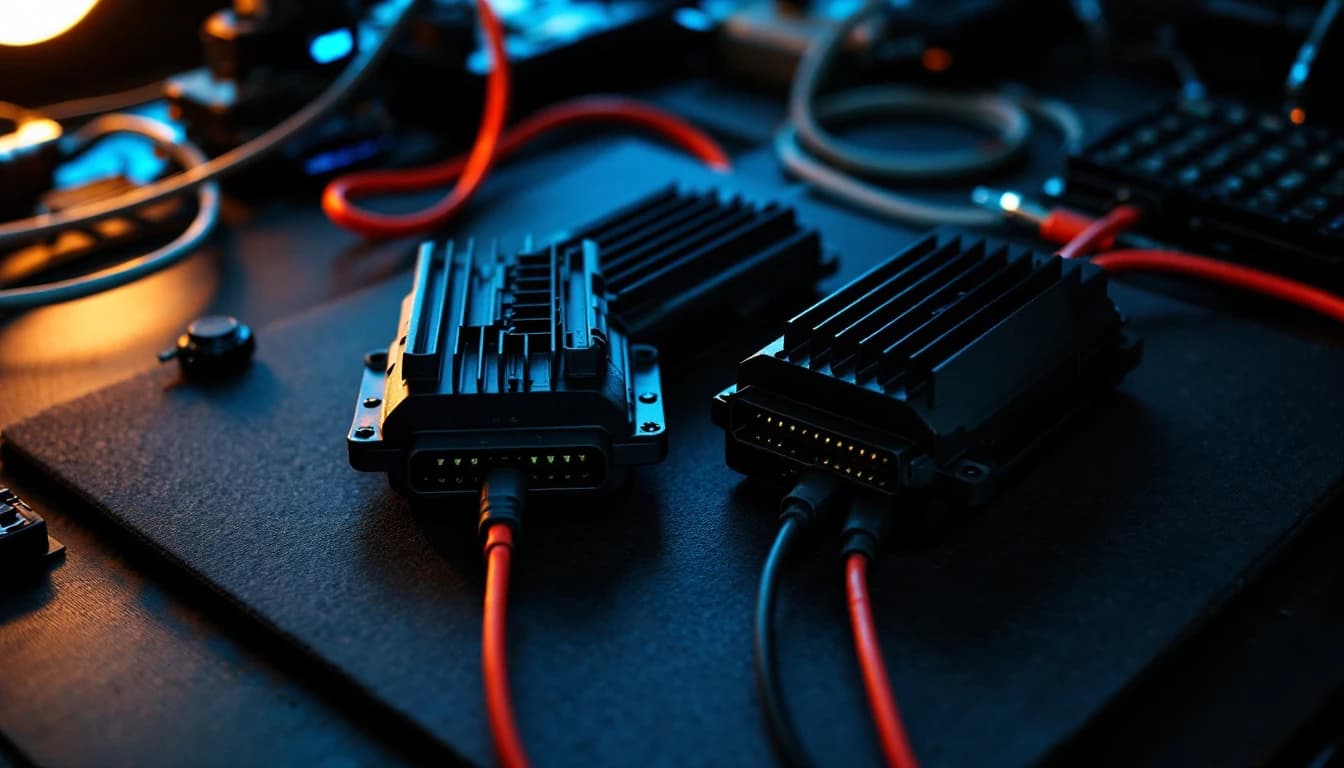
This guide is about recognizing when the module is genuinely the problem on the E38, E67, and E92 generation of controllers, and then choosing the right way to program a replacement. The two viable paths are cloning your original data onto a donor unit or having a dealer perform a VIN-learn on a fresh module. Getting the diagnosis right matters, because a replacement ECM is never plug-and-play — and knowing why saves you from an expensive dead end.
The symptoms of a failing GM ECM
No single symptom proves an ECM is dead, but certain patterns strongly point at the module rather than a sensor or actuator. Watch for these:
- No-start with no module communication. A scan tool cannot establish a link with the ECM at all. This is one of the stronger ECM-failure signatures because a healthy module answers even when the engine will not run.
- Crank, no start. The engine turns over normally but never fires, with no obvious fuel or spark and no stored cause that explains it.
- Multiple implausible codes at once. The scanner shows a shotgun blast of unrelated fault codes — several circuits reporting impossible values simultaneously, which points to the computer reading them rather than every circuit failing at once.
- Communication-lost DTCs (the U-codes). Other modules report they can no longer talk to the ECM, or the ECM drops off the data bus intermittently.
- Intermittent stalling or no-start that comes and goes with heat, vibration, or a bad connection inside the module.
- A security or theft-deterrent lockout where the immobilizer will not authorize a start because the ECM's security data is corrupted or mismatched.
The GM vehicles running these controllers are among the most common on the road. GM's small-block V8 family alone has passed 100 million units produced since 1955 per GM's own historical reporting, and the trucks and SUVs those engines power — Silverado, Sierra, Tahoe, Suburban, Yukon, Escalade — sell in enormous volume, with Silverado and Sierra together topping 750,000 U.S. units in a single peak year according to sales data compiled by Car and Driver. That scale is why replacement ECM programming is such a routine need.
It is also why misdiagnosis is so common. Reliability-focused coverage from outlets like MotorTrend and Hagerty repeatedly notes that intermittent electronic and no-communication faults are among the hardest categories for owners to pin down, precisely because a dead module and a starved-but-healthy module look identical from the driver's seat. Full-size trucks and SUVs are also some of the longest-kept vehicles on the road — analyses from J.D. Power consistently show these platforms reaching well past the decade mark in service — which means a large share of the GM fleet running E38, E67, and E92 controllers is now old enough that connectors corrode, grounds degrade, and modules fail from age and heat cycling. The older the truck, the more important it is to rule out the cheap causes before condemning the computer.
Rule the module out before you condemn it
Before you buy a replacement ECM, it is worth confirming the module is really the failure and not a power, ground, or wiring problem that mimics it. A surprising share of "dead ECM" cases are actually a blown fuse, a corroded ground, a chafed harness, or a failed relay starving the module of power. The diagnostic order that saves money is:
- Verify power and grounds at the ECM connector. A module with no clean power supply behaves exactly like a dead one.
- Check the fuses and relays that feed the ECM and the ignition circuits.
- Inspect the harness and connectors for corrosion, water intrusion, or damage, especially on trucks that see weather and salt.
- Confirm with a scan tool whether the module communicates at all — and whether it drops out when you wiggle the harness or heat the module.
The National Highway Traffic Safety Administration and every serious diagnostic authority stress the same principle: confirm the root cause before replacing an expensive part. Only once power, grounds, and wiring are clean and the module still will not communicate or run the engine does replacement become the answer.
One independent driveability technician put the trap plainly:
"The most expensive ECM job is the one where somebody buys a used module off a wrecked truck, plugs it in, and it still won't start — because it was never programmed to their VIN or security data. Then they think the new module is bad too. A used ECM is a core, not a repair." — Independent GM driveability technician, 16+ years on GM controllers (anonymized)
That is the whole reason the next section exists.
Why a used or junkyard ECM is not plug-and-play
This is the single most important thing to understand before you spend money on a replacement module. A GM ECM is not a generic box you can swap between vehicles. Each one carries data that ties it to a specific car:
- The VIN is written into the module, and other systems expect it to match.
- Security and immobilizer / theft-deterrent data — GM's Passlock and later theft-deterrent systems — must authorize the ECM to allow the engine to start. A mismatched security relationship means a no-start even when the engine is mechanically perfect.
- The calibration — the tune, options, and configuration — must match the engine, transmission, and vehicle options, or the module runs poorly or not at all.
A used ECM from a salvage yard has another vehicle's VIN, security data, and calibration baked in. Drop it in and the security system refuses to start the engine, or it runs on the wrong calibration for your setup. This is not a defect; it is the anti-theft architecture working as designed. Manufacturer service information from GM and the broader standards work by SAE International both reflect how tightly modern powertrain modules are bound to the vehicle they were built for. A replacement ECM always needs programming to your vehicle — the only question is which method.
The two replacement paths
There are two clean ways to end up with a working ECM, and they suit different situations.
Path 1: Clone your original data onto a donor (bench)
If your original ECM's memory is still readable — even if the module is intermittent or partially failed — the data on it can be cloned onto a matching donor ECM. Cloning copies your calibration, VIN, and configuration onto the replacement so it becomes a drop-in unit that the vehicle recognizes as its own. No dealer visit, no relearn drama, because the donor carries your exact data.
This is the GM E38 / E67 / E92 ECM clone service, a flat $250 bench job on a supported controller. It is the right path when you can supply both your original ECM (for its data) and a compatible donor unit, and it is often the fastest route back on the road because the cloned module drops in and starts.
The donor matters more than people expect. A clone copies your data onto the donor's hardware, so the donor has to be a compatible controller — the right family and, ideally, a close hardware and service-number match — for the copy to take cleanly. This is exactly why a technician verifies both your original module and the donor before any work: sending a random junkyard ECM as a donor without confirming compatibility is how a clone attempt stalls. A photo of both service-number labels up front prevents that. When both units check out, the cloned module is genuinely plug-and-play in your vehicle because it now carries your VIN, security data, and calibration.
Path 2: Dealer VIN-learn or reflash on a new module
If your original module is completely dead — the memory cannot be read at all — cloning is not possible, because there is no data to copy. In that case a new or blank ECM is programmed with fresh factory data through a dealer or a shop with factory-level programming access, which writes your VIN, calibration, and security setup to the module and performs the immobilizer relearn.
A related bench service applies when a module is physically fine but needs to be returned to a known-good factory calibration: the stock OEM reprogramming service reflashes a module back to a clean OEM state, a flat $250 bench job. This is useful after a botched tune, a corrupted flash, or when returning a modified module to stock.
Clone vs dealer VIN-learn — the direct comparison
The table below lays out when each path applies and what it involves.
| Clone onto donor (bench) | Dealer VIN-learn / reflash | |
|---|---|---|
| Original ECM readable? | Required — the data is copied from it | Not required — data comes from the factory |
| You supply a donor unit? | Yes, a compatible matching ECM | No, a new or blank module is used |
| Where it happens | On the bench (mail-in) | At a dealer / factory-tool shop |
| Result | Drop-in module with your VIN, security, calibration | Fresh factory data written to the module |
| Immobilizer relearn drama | Minimal — carries your data | Handled during the dealer programming |
| Our service | $250 flat clone | Not us — dealer / factory tool |
| Best when | Original module still reads; you want a drop-in | Original module is fully dead / unreadable |
The deciding question is simple: can your original ECM's memory still be read? If yes, cloning is usually the faster, more self-contained path. If the module is truly dead with no readable data, a dealer VIN-learn on a fresh module is the route.
The mail-in bench workflow
For the clone or reflash path, you never bring a vehicle anywhere — you ship modules. The sequence:
- Verify first. Text us your VIN, the ECM service or part number off the case label, and a clear photo of that label. A technician confirms the controller (E38, E67, or E92) and operating system are supported. For a clone, they confirm the donor unit is compatible.
- Give the context. Year, make, model, engine and transmission, and whether you are cloning to a donor or reflashing a module back to stock.
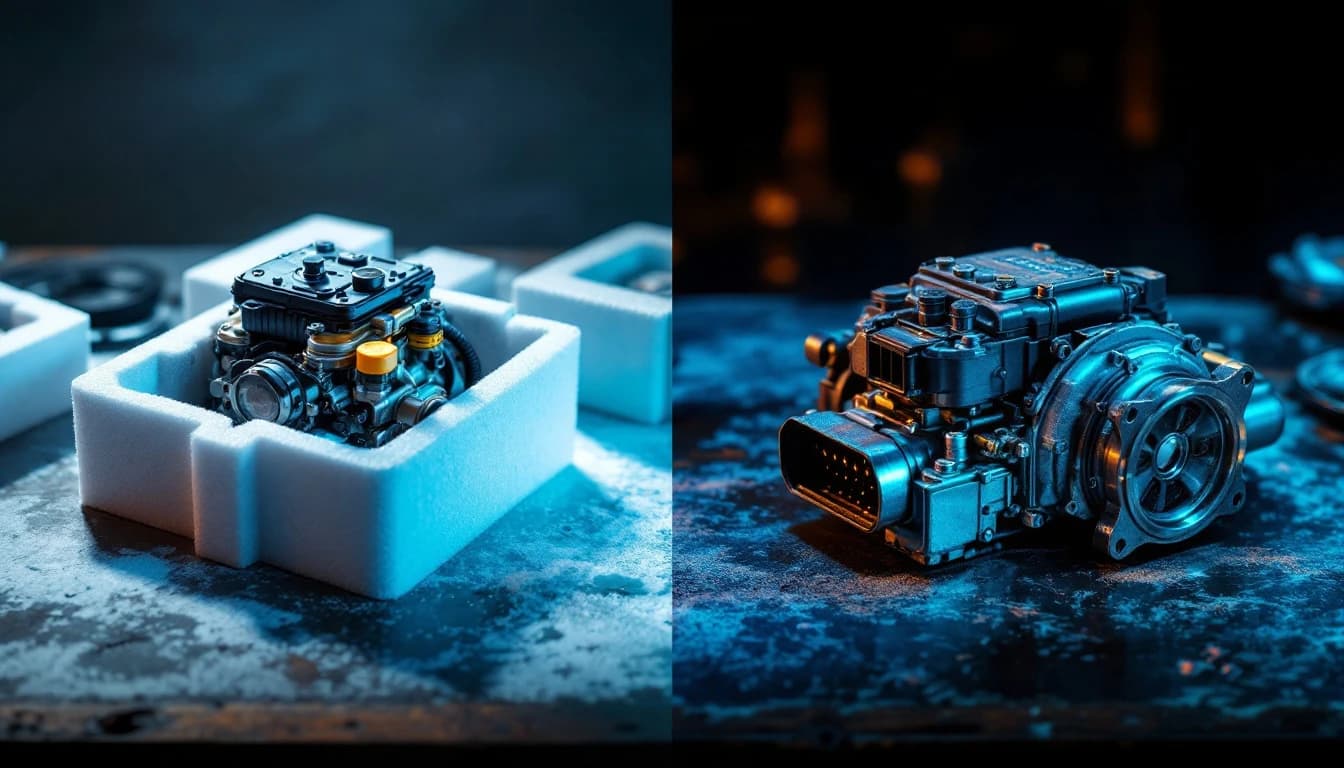
- Ship the modules. Send your original ECM (and the donor, for a clone) to PO Box 120241, Arlington TX 76012 if you ship USPS — or 1009 Oakwood Ln # 120241, Arlington TX 76012 if you ship UPS or FedEx (UPS and FedEx cannot deliver to a PO Box), packed in anti-static bags inside a padded box.
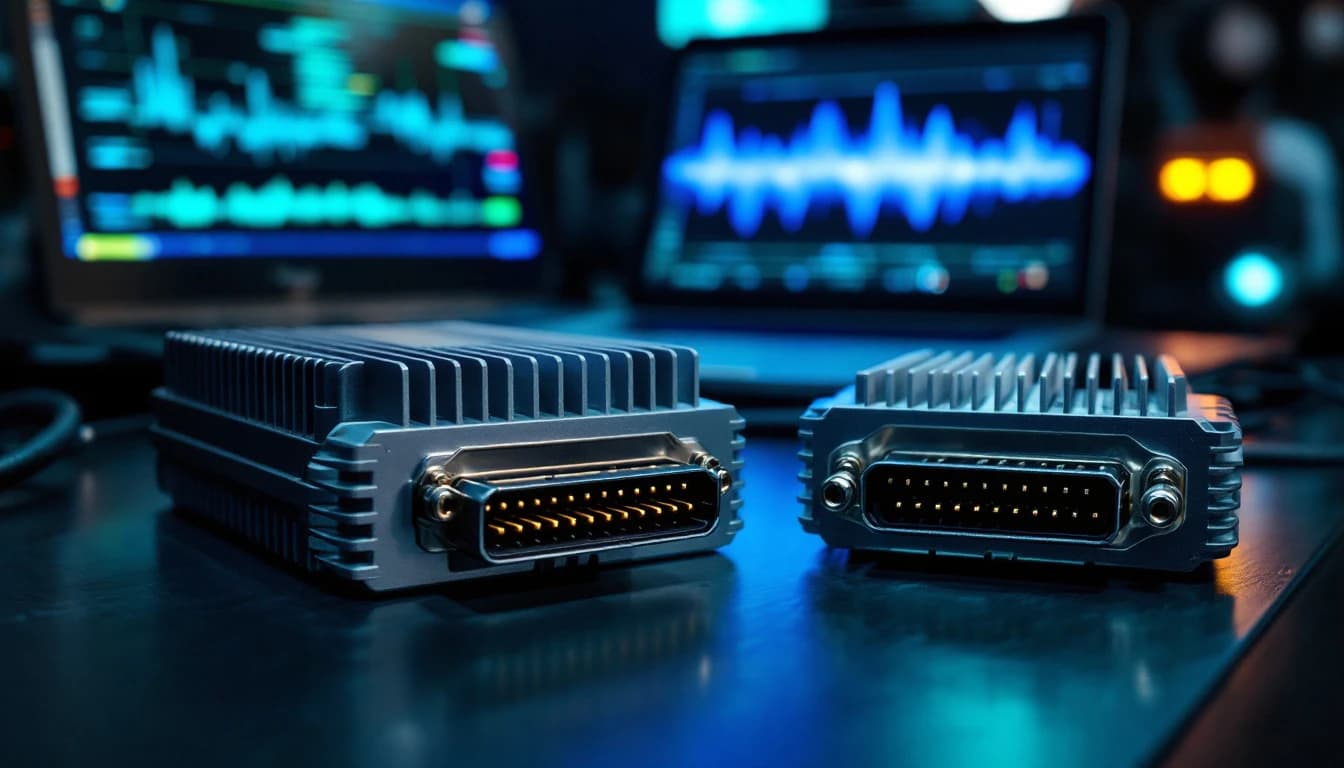
- Bench read and archive. On arrival the module is powered on a regulated supply and its data is read and archived before any work.
- Clone or reflash. Your calibration, VIN, and configuration are written to the donor (clone), or the module is reflashed to a clean OEM calibration (stock reprogramming).
- Communication test. The module is verified on the bench before it ships.
- Return with tracking. The programmed module ships back via the flat-rate tier you chose at checkout (from $29.95, up to overnight at $94.95). You install it.
A regulated bench supply is also simply a safer place to program a controller than an in-vehicle flash on a marginal battery, where a voltage sag mid-write is a classic way to brick a module.
Compliance and proof of ownership
Because ECM cloning and reprogramming touch VIN and security/immobilizer data, proof of ownership is required for this work. It is offered for legitimate repair, restoration, and diagnostic purposes. The customer is responsible for compliance with applicable local, state, and federal law, and a technician confirms your exact controller and fitment before you ship anything.
None of this work repairs mechanical faults. If the engine has a mechanical no-start cause — a failed fuel pump, a broken timing component, a compression problem — that must be diagnosed and repaired separately. ECM programming addresses the computer and its data, not the metal it controls.
Frequently asked questions
What are the most reliable signs my GM ECM has failed? The strongest signatures are a no-start where a scan tool cannot communicate with the module at all, a crank-no-start with no explaining cause, and a shotgun of implausible codes across unrelated circuits at once. Communication-lost U-codes from other modules and intermittent stalling that tracks with heat or vibration also point at the ECM.
Can I just buy a used ECM and plug it in? No. A used or junkyard ECM carries another vehicle's VIN, security/immobilizer data, and calibration, so the theft-deterrent system will refuse to start your engine or the module will run on the wrong tune. A replacement ECM always needs programming to your vehicle — either a clone of your original data or a dealer VIN-learn.
What is the difference between cloning and a dealer VIN-learn? Cloning copies your original ECM's calibration, VIN, and configuration onto a compatible donor module so it drops in and starts, and it requires your original module to still be readable. A dealer VIN-learn writes fresh factory data to a new or blank module and is the path when your original is completely dead and cannot be read.
How much does GM ECM replacement programming cost? Cloning your data onto a donor ECM is a flat $250 bench job on a supported E38, E67, or E92 controller, and reflashing a module back to a clean OEM calibration is also a flat $250. A dealer VIN-learn on a brand-new module is priced separately by the dealer and is the route only when cloning is not possible.
Which controllers do you support? The clone and stock-reprogramming services cover the E38, E67, and E92 GM controllers, each verified by VIN and ECM service-number label before any work. Newer locked and Global B architectures use a different security model, so a technician confirms whether your specific module is supported before you ship anything.
Do I need my original ECM to do a clone? Yes. Cloning copies the data from your original module onto the donor, so the original has to be present and its memory readable. If the original is fully dead and unreadable, cloning is impossible and the replacement has to be programmed with fresh factory data through a dealer VIN-learn instead.
The bottom line
A failing GM ECM on the E38, E67, or E92 generation usually announces itself as a no-start with no communication, a crank-no-start, or a scanner full of implausible codes — but before condemning the module, confirm power, grounds, and wiring, because those mimic a dead ECM more often than people expect.
Once the module is genuinely the failure, remember the rule that saves the most money: a used or junkyard ECM is a core, not a repair, because it carries another vehicle's VIN and security data. The two clean fixes are cloning your original calibration onto a donor unit — a flat $250 bench clone that drops in and starts — or, when the original is fully dead, a dealer VIN-learn on a fresh module. Returning a healthy module to a clean factory state is a flat $250 stock OEM reprogramming.
Proof of ownership is required, this work does not repair mechanical faults, and you are responsible for legal compliance. Text us your VIN and a photo of the ECM label and a technician will confirm your controller and the right path before anything ships.
Ship it for the gm e38 / e67 / e92 ecm clone — $250 flat
Typical 24-Hour Turnaround, return speed your choice at checkout. Prepaid inbound label by email the minute you order.