

Arlington Automotive Module Repair Service - Common Questions
Meta Description: Professional answers to technician questions about mail-in module repair documentation, shipping, diagnostics, and service expectations.
Automodulelab operates a mail-in automotive module repair service from its Arlington, Texas facility, serving technicians and diagnosticians across the United States. This article addresses the most common questions technicians ask about submitting modules for evaluation, the documentation that accelerates diagnosis, realistic turnaround expectations, and the practical limits of what mail-in module repair can accomplish.
The difference between a module we can diagnose on arrival and one that requires return contact for missing information consistently traces to what was documented before the module shipped. Understanding what information matters most, how modules should be packaged to prevent transit damage, and what diagnostic steps should precede module removal helps technicians make informed decisions about whether a specific failure warrants submission for bench evaluation.
What Is the Mail-In Module Repair Process?
Mail-in module repair allows technicians anywhere in the United States to submit automotive control modules to the Arlington facility by commercial carrier. The technician removes the module from the vehicle, packages it with protective materials, and ships it with documentation describing the failure symptoms and diagnostic findings already completed.
The facility receives the module, performs intake inspection, conducts bench evaluation to identify the fault, and returns the module to the submitting technician. Shipping timeframes depend entirely on the carrier the technician selects—the repair facility controls only the time between receipt and return shipment, not the days the module spends in transit.
For technicians in Texas and neighboring states, ground shipping typically adds one to three days each direction. Technicians in more distant locations should account for longer transit when planning vehicle downtime and communicating timelines to vehicle owners.
How Long Does Module Repair Take from Start to Finish?
Total turnaround consists of three independent phases: inbound shipping controlled by the carrier, bench evaluation and repair performed at the Arlington facility, and return shipping. Only the middle phase falls within the facility's operational control.
Bench evaluation timing depends on module complexity, the clarity of documentation provided, and whether the failure mode appears consistently or intermittently. Modules arriving with complete symptom descriptions and diagnostic trouble codes proceed directly to targeted testing of the circuits most likely involved in those specific symptoms.
Modules with minimal documentation—such as "customer says it doesn't work" without codes, conditions, or symptom details—require broader evaluation procedures. Technicians should communicate realistic timelines to vehicle owners that account for both directions of shipping transit in addition to the facility's bench time.
What Documentation Should Accompany a Module Before Shipping?
Pre-shipment documentation directly affects how quickly bench evaluation can begin and whether the initial test replicates the actual failure mode. Essential documentation includes the vehicle identification number, accurate odometer reading, detailed symptom description, any diagnostic trouble codes retrieved before module removal, and the specific conditions under which the failure occurs.
The symptom description matters most when codes are absent or generic. "ABS light on" provides less diagnostic value than "ABS light illuminates during right turns at speeds above 25 mph; pump motor audible but wheel speed data shows dropout on right front sensor input." The second description guides evaluation toward specific circuit paths rather than requiring comprehensive testing of all possible failure modes.
Documentation should also note any previous repair attempts, electrical events that preceded the failure—such as jump-starts or battery disconnection—and whether multiple modules failed simultaneously. These details help distinguish between module-internal failures and vehicle-side wiring problems that would cause a replacement or repaired module to fail again after reinstallation.
Recording all codes present in all modules before removal preserves diagnostic information that clears when the module disconnects. Codes in other modules often indicate network problems, voltage irregularities, or sensor failures that contribute to the module fault but will not appear during isolated bench testing.
How Should Modules Be Packaged for Shipment?
Proper packaging protects modules from three primary shipping hazards: electrostatic discharge, physical impact, and moisture intrusion. All three can damage modules that survived the original vehicle-side failure but arrive at the repair facility inoperable due to transit damage.
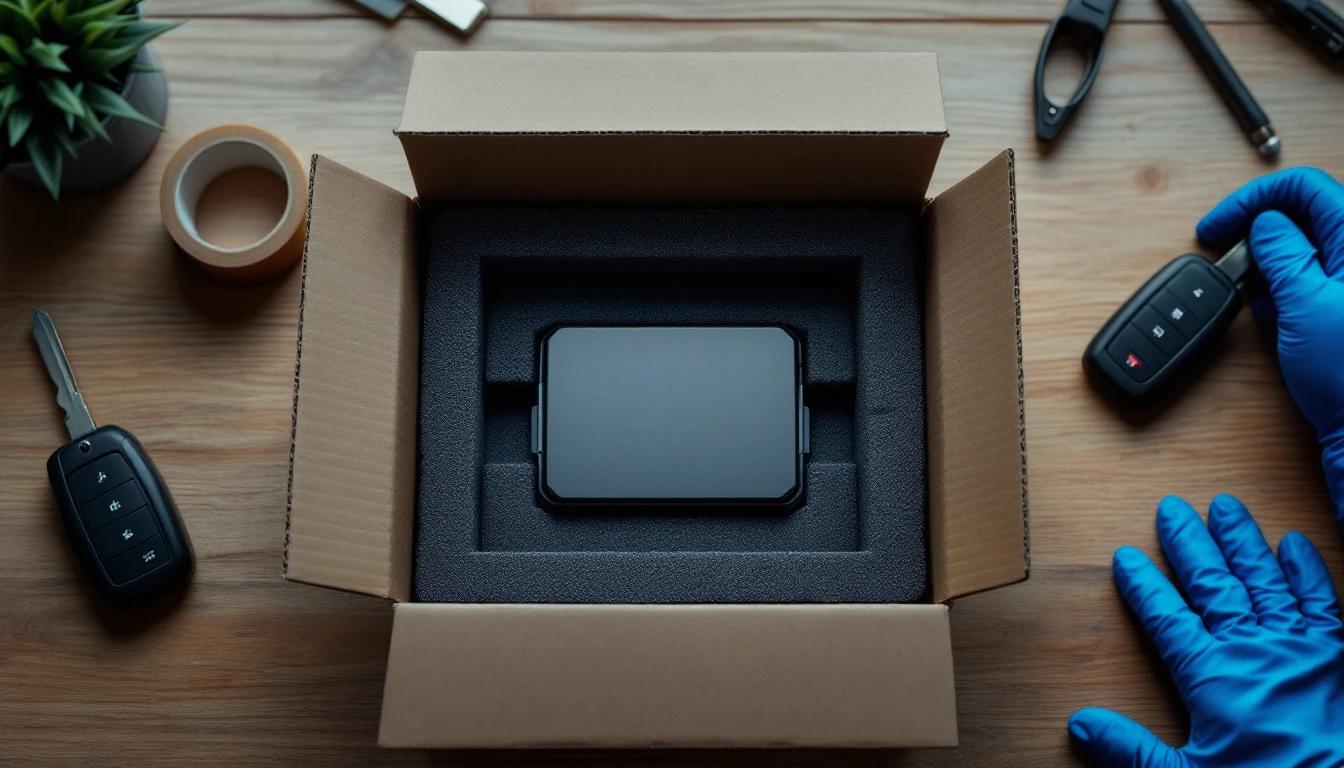
Anti-static packaging forms the first layer of protection. Modules should ship in anti-static bags, not ordinary plastic bags that generate static charges during handling. If anti-static bags are unavailable, wrapping the module in aluminum foil provides adequate ESD protection as a widely available alternative.
Physical cushioning should isolate the module from the shipping container walls by at least two inches on all sides. Bubble wrap, foam sheets, or crumpled kraft paper work effectively for impact protection. Loose-fill packing peanuts allow modules to shift during handling and should be avoided in favor of materials that maintain position throughout transit.
The shipping box itself should be rigid corrugated cardboard rather than padded envelopes that provide minimal crush resistance. Include a return shipping address and contact phone number or email inside the package for diagnostic questions that may arise during evaluation.
What Diagnostic Steps Should Be Completed Before Sending a Module?
Pre-shipment diagnostics serve two purposes: confirming the module has actually failed rather than responding to a vehicle-side fault, and gathering information that accelerates bench evaluation at the repair facility. Both purposes directly affect turnaround time and whether the submitted module proves to be the actual source of the vehicle's symptoms.
Technicians should verify power and ground supply at the module connector meet specifications under operating conditions. Many modules arrive at repair facilities that evaluate as functional on the bench because the actual fault exists in vehicle wiring, blown fuses, or corroded grounds that prevent proper module operation in the vehicle but are absent during bench testing with laboratory power supplies.
Scan tool communication testing documents whether the module responds to requests, reports network presence, or fails completely silent. Communication failures often indicate power supply problems or network termination issues rather than module-internal faults. When multiple modules lose communication simultaneously, the problem almost certainly exists in shared power, ground, or network wiring rather than in coincidental simultaneous module failures across different control units.
The technician remains responsible for confirming module power supply integrity, ground quality, input signal specifications, and network function before concluding the fault resides within the module itself rather than in the supporting vehicle systems.
Can Modules Without Diagnostic Trouble Codes Be Evaluated?
The absence of codes does not mean the absence of a fault—it often means the fault prevents code storage or retrieval. Modules can fail in ways that disable the processor's ability to run diagnostic monitors, write to non-volatile memory, or communicate results to scan tools.
Bench evaluation does not depend on the module reporting its own failure through standard diagnostic protocols. Testing evaluates the physical electronic circuits directly rather than relying on the module's self-diagnostic capabilities to identify and report faults through the standardized code structure.
This approach identifies failed components regardless of whether the module ever set a code in the vehicle. Power supply failures, communication circuit faults, and processor support circuit failures often prevent the module from executing the diagnostic routines that would set and store codes under normal fault conditions.
Module repair fault logs matter most in the cases where scan tools contribute the least. When a module powers up but executes no functions, produces no communication, or behaves erratically without following predictable failure patterns, bench testing isolates the physical fault that scan-based diagnostics cannot reach.
Technicians dealing with no-code failures should document the specific behavior observed—what the module does or does not do—rather than simply noting the absence of codes. This behavioral description guides bench testing toward the circuits most likely responsible for those specific symptoms.
What Happens If a Module Cannot Be Repaired?
Not every module that arrives at the facility proves repairable. Unrepairable modules fall into several categories: physical damage too extensive for economical repair, component integration that prevents individual part replacement, and cases where repair cost approaches or exceeds replacement cost.
When a module cannot be repaired, the facility contacts the submitting technician to explain the specific technical limitation encountered and discuss alternatives. The technician then decides whether to pursue replacement strategies, attempt a different diagnostic approach, or request return of the unrepairable module.
The evaluation itself provides diagnostic value even when repair proves impossible. Knowing specifically which circuit failed—even if that circuit cannot be economically repaired—often reveals vehicle-side problems that caused the module failure and would damage a replacement module if not corrected before installing new or remanufactured units.
Certain module designs resist repair due to manufacturing techniques or security features. Modules with potted enclosures—where the circuit board is encased in solid epoxy—cannot be disassembled for component access without destroying the board itself.
Does Shipping Distance Affect Service Availability or Turnaround?
The Arlington facility serves technicians nationwide regardless of location. Shipping distance affects only transit time through the commercial carrier, not the evaluation or repair process duration itself. Technicians should select carriers that provide appropriate balance between cost and speed for their specific customer commitments.
Technicians in Michigan, Massachusetts, and Missouri have the same access to service as technicians in Texas or neighboring states. The only difference shipping distance introduces is the number of days the module spends in carrier transit before reaching the facility and after the completed module ships back.
Rush shipping options accelerate transit but do not change the bench evaluation process duration required to identify faults and verify repairs. Most customer dissatisfaction with mail-in services traces to unrealistic timeline expectations set by the servicing shop rather than actual facility performance.
What Information Is Needed to Identify a Module for Service?
Modules are identified by the part number stamped or printed on the module case, the vehicle VIN, and the module's function description. The part number alone may not uniquely identify the module because manufacturers often use the same casting for multiple software variants, so providing both part number and VIN ensures accurate identification.
Module part numbers typically appear on a label affixed to the module case or stamped directly into the housing. Recording the complete part number as it appears on the module, including all suffixes and revision codes, prevents confusion between similar modules that differ in application or calibration.
The VIN connects the module to the specific vehicle platform, model year, and equipment configuration. This information helps confirm the module's application and identifies any vehicle-specific calibration requirements relevant to the evaluation process.
Are There Failure Symptoms That Indicate a Module Definitely Cannot Be Repaired?
Physical damage visible on the module exterior—cracks in the case, evidence of water intrusion, burned components visible through connector openings, or impact damage—suggests repair may not be economical. However, internal component failures often leave no external evidence, and only bench evaluation definitively determines repairability for modules without obvious physical damage.
Water damage presents particular challenges because corrosion progresses over time even after the module dries. Modules exposed to flooding or prolonged moisture intrusion may develop ongoing corrosion that compromises multiple circuit paths, making comprehensive repair impractical.
Fire damage or electrical events that burned through circuit board traces typically exceed economical repair thresholds. The heat required to visibly char components often damages adjacent circuits in ways that extend beyond the obviously failed parts.
What Support Is Available for Diagnosticians Dealing With Intermittent Module Failures?
Intermittent module failures present the most challenging diagnostic scenario because scan tools may capture no codes and symptoms may not appear during brief bench testing periods. These cases require diagnostic collaboration between the vehicle-side technician and the module evaluation facility.
Technicians can contact the facility before shipping modules to discuss symptom patterns and determine whether the failure description suggests a module-internal fault or a vehicle-side problem. This pre-submission consultation prevents shipping modules that will test functional because the actual fault exists in connectors, wiring harness chafe points, or related components that affect module operation only when installed in the vehicle.
For modules that test functional during initial bench evaluation but have documented intermittent symptoms from the vehicle, extended monitoring under thermal cycling or vibration conditions may trigger temperature-sensitive or mechanical connection failures. This extended testing requires specific guidance from the technician about the conditions under which the vehicle exhibits symptoms.
The diagnostic support does not replace vehicle-side diagnosis. The submitting technician remains responsible for testing module power supply quality, ground circuit integrity, input signal specifications, and network function before concluding the fault resides within the module itself rather than in the supporting vehicle systems.
How Should Technicians Prepare Customer Expectations About Module Repair Timelines?
Communicate realistic timelines that account for both directions of carrier transit in addition to bench evaluation time. The most common source of customer frustration with mail-in services stems from technicians who quote only the facility's bench time without accounting for the days the module spends traveling to Arlington and returning to the shop.
A module shipped on Monday from a distant state may not arrive at the facility until Wednesday or Thursday. Even if bench evaluation completes within one business day, return shipping adds another three to five days before the module arrives back at the shop. The total calendar time from when the customer drops off the vehicle to when repair completes can easily span seven to ten days for distant locations.
Setting customer expectations requires adding local shipping time, facility time, and return shipping time together, then adding buffer for potential carrier delays or complications that extend any phase of the process. Technicians who communicate conservative timelines rarely face customer complaints about duration.
Under-promising and over-delivering builds customer confidence. Quoting seven to ten business days and completing the work in six creates a positive customer experience, while quoting three to five days and delivering in seven creates dissatisfaction even though the actual facility performance remained identical.
What Are the Costs and Warranty Terms for Module Repair?
Cost structure varies by module type and complexity. The facility can provide specific pricing for particular modules after receiving information about the vehicle application, part number, and failure symptoms.
Contact the facility directly through the contact page to discuss pricing for specific module types before shipping. Pre-submission cost discussion prevents situations where the technician ships a module without knowing whether repair cost makes economic sense compared to replacement alternatives.
Warranty terms also vary by module type. Discussing warranty coverage before committing to repair helps technicians explain to customers what protection applies if the repaired module develops problems after reinstallation.
Frequently Asked Questions
Can modules be tested and evaluated without committing to repair costs upfront?
Bench testing to identify the specific failed component requires diagnostic time whether the customer proceeds with repair or declines service after learning the fault location and repair feasibility. Contact the facility directly to discuss evaluation policies and cost structure for specific module types before shipping.
What if the module works fine during bench testing but failed intermittently in the vehicle?
Extended monitoring under thermal cycling or vibration conditions may trigger temperature-sensitive or mechanical connection failures. This extended testing requires specific guidance from the technician about the conditions under which the vehicle exhibits symptoms—time of day, temperature, operating duration, or specific driving conditions that correlate with failures.
Does the facility repair all module types or only specific categories?
The facility handles a wide range of module types including ABS modules, body control modules, instrument clusters, and powertrain control modules. Contact the facility before shipping to confirm capability for specific module types, particularly for commercial vehicles, heavy-duty applications, or specialty equipment.
How should modules from commercial vehicles or heavy equipment be handled differently?
Commercial vehicle modules often operate at higher voltages or include features not present in passenger vehicle modules. Document the specific application, operating voltage, and any unique features when submitting commercial vehicle modules to ensure appropriate bench testing procedures.
What happens if the vehicle-side problem that caused module failure is not corrected before reinstallation?
The repaired module will likely fail again from the same vehicle-side cause. Technicians must verify proper power supply, ground integrity, and input signal specifications before reinstalling any module—repaired or new—to prevent repeat failures from vehicle-side faults.
Next Steps for Submitting a Module to Automodulelab
Technicians ready to submit a module for evaluation should first document the VIN, mileage, all retrieved codes from all modules, detailed symptom descriptions including when and under what conditions the failure occurs, and any diagnostic tests already completed on power supply, ground circuits, and input signals. This documentation should accompany the module during shipment.
Package the module following anti-static and physical protection guidelines: anti-static bag or aluminum foil, adequate cushioning on all sides, rigid shipping container. Include return shipping address and contact information for diagnostic questions that may arise during evaluation.
Visit the contact page to initiate service or request additional information about specific module types and failure symptoms. Pre-submission consultation can clarify whether a described failure pattern suggests a module-internal fault suitable for bench evaluation or indicates vehicle-side problems that require resolution before module evaluation would prove productive.
Understanding what documentation accelerates diagnosis, how to protect modules during transit, and what diagnostic steps should precede shipment helps technicians make informed decisions about module-level failures. The mail-in approach provides access to specialized evaluation capabilities for the module failures that resist resolution through standard scan tool procedures and software updates.
This article represents operational procedures for Automodulelab's mail-in module repair service based in Arlington, Texas. Specific capabilities, turnaround times, pricing, and service policies should be confirmed directly for individual repair situations.
Related reading
Ship your module today
Flat-rate pricing, typical 24-hour bench turnaround, return speed your choice at checkout. Most jobs back on your bench within a week.
More from the Lab
Car Key Programming Cost — Mail-In Bench Programming (2026)
15 min · November 16, 2026
Stock ECM Reflash Cost — Mail-In Bench Programming (2026)
11 min · November 16, 2026

Car Starts With Spare Key, Not Main Key: Key or Module?
12 min · November 16, 2026

Fuel Gauge Stuck or Wrong: Sender or Instrument Cluster?
12 min · November 16, 2026