BMW All-Keys-Lost Cost: EWS, CAS and FEM/BDC
All-keys-lost is not one job — it is three
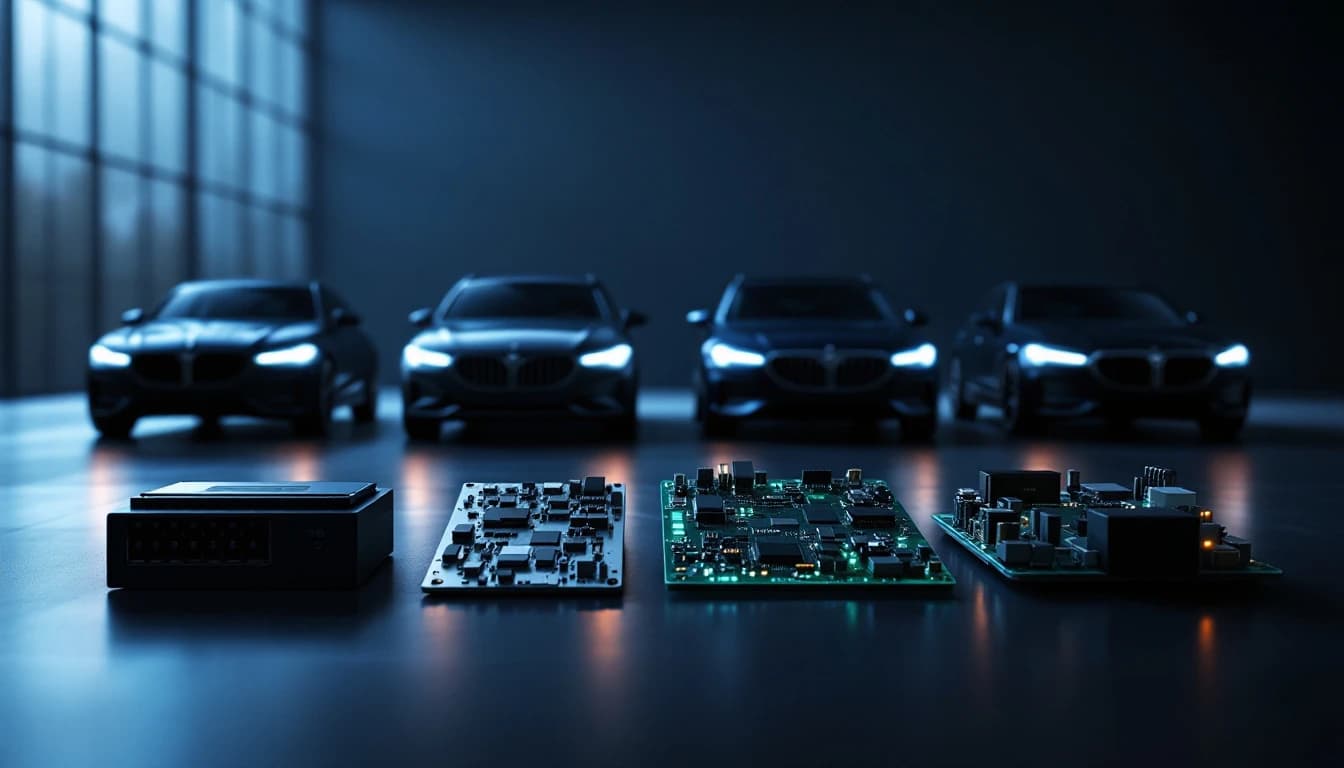
There is a common assumption that making a BMW key is a single service with a single price. It is not. An all-keys-lost situation, where no working key exists at all, is solved completely differently depending on which immobilizer generation your car uses. The module that holds the security data, how that data is locked, and what has to happen to authorize a fresh key all change across three broad eras: EWS, CAS, and FEM/BDC.
Getting this right matters before you spend a dollar. The wrong assumption about your system leads to the wrong tool, the wrong price expectation, and sometimes a tow to a dealer that was never necessary. This guide walks through each system, what holds the key data in it, what the bench service does, what it costs, and how to identify which one your BMW uses. A technician confirms your exact chassis and immobilizer system before you ship anything, so you are never guessing.
BMW has fielded these overlapping security architectures across a very large fleet. The brand consistently sells well over 300,000 vehicles a year in the United States, according to sales figures compiled by outlets such as Car and Driver, and the 3 Series and 5 Series families that span the EWS, CAS, and FEM/BDC eras are among the best-selling luxury cars of their generations, a point MotorTrend has made in its long-term model coverage. That means millions of cars on the road today fall into one of these three buckets.
Why all-keys-lost is different from adding a spare
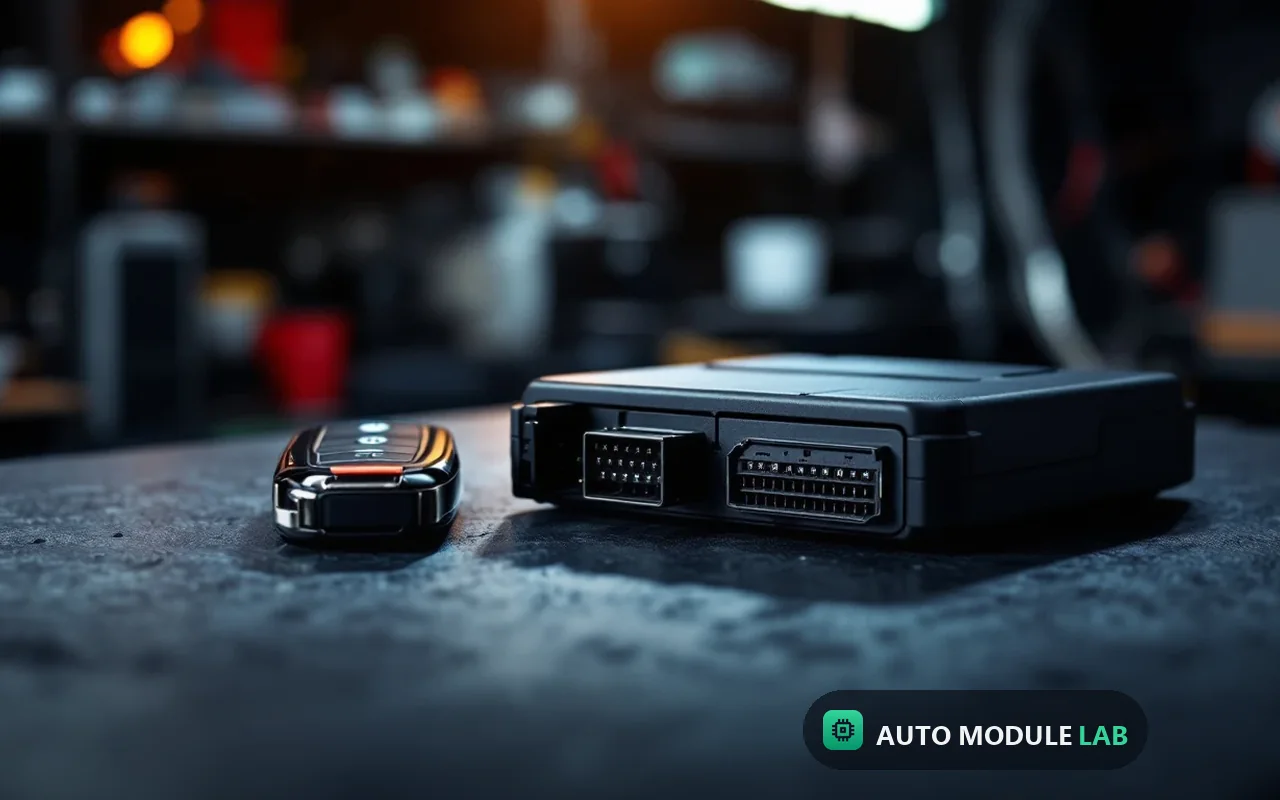
When you still have one working key, adding a spare is comparatively simple, because the car can already be authorized and the system is in a known-good state. All-keys-lost is harder on every system, because there is no authorized key to start from. The security module has to be read, its stored data recovered or prepared, and a brand-new key authorized from scratch, often by working directly with the module on the bench rather than through the car.
This is also why all-keys-lost is where the differences between EWS, CAS, and FEM/BDC show up most sharply. With a spare in hand, many procedures look similar. With no keys at all, the security design of each system dictates a genuinely different workflow. Vehicle theft and key security are serious enough that industry bodies like the National Insurance Crime Bureau track key-related theft trends closely, and the tightening of BMW immobilizer security across these generations is a direct response to that pressure. The upside for owners is a harder-to-steal car. The downside is that a legitimate all-keys-lost recovery takes real, specialized work.
EWS — the older system
EWS, sometimes written as the Electronic immobilizer, is the older BMW security system found broadly on cars from the 1990s into the mid-2000s, depending on model. It predates the fully integrated modules that came later. If you are still working out what EWS means on a BMW and how the system is laid out, that guide covers the architecture in more detail than this cost breakdown does.
In an EWS car, the key data and the immobilizer authorization live in a dedicated EWS module, and that module is synchronized with the DME, the engine control computer. The two have to agree: the EWS says the key is valid, and the DME confirms the sync before the engine will run. That EWS-to-DME relationship is central. It is why EWS work often involves reading the EWS module and ensuring the DME sync stays intact so the car starts after a new key is made.
For an all-keys-lost EWS car, the bench service reads the EWS module, recovers the key data needed to author a new key, and prepares everything so a fresh working key can be cut and programmed while keeping the DME in sync. Our BMW EWS key programming service handles this end to end and is priced at $250, reflecting the extra care the older EWS-to-DME synchronization demands. A technician confirms your specific EWS variant from your VIN before you ship.
EWS cars are the oldest of the three groups, which means they are also the ones most likely to be enthusiast-owned, restored, or kept well past typical service life. Long-term ownership of older German cars is a well-documented enthusiast pursuit, something Hagerty covers extensively in its collector and modern-classic reporting, and a lost-keys situation should never be the reason one of these cars goes off the road.
CAS — the large middle era
CAS, the Car Access System, is the immobilizer architecture that covers the enormous middle span of BMW production, roughly the mid-2000s into the mid-2010s across many models. It exists in several revisions: CAS1, CAS2, CAS3, the widely discussed CAS3-plus, and CAS4 and CAS4-plus.
In a CAS car, the CAS module is the security brain. It holds the key data, manages the immobilizer authorization, and works with the DME so the engine will start only for an authorized key. Where EWS split duties between an EWS box and the DME, CAS centralizes far more of the access and security logic into the CAS unit itself. This is the system in the E90 3 Series era and many contemporaries, so it is by a wide margin the most common all-keys-lost scenario a BMW owner will encounter.
The revisions matter because BMW tightened the security as CAS evolved. Early CAS is more open; the later CAS3-plus and especially CAS4 and CAS4-plus added stronger protection that changes how the data is read and how a new key is authorized. For a detailed treatment of that split, our guide on CAS3-plus versus CAS4 key programming breaks down what changes between the generations and why.
For an all-keys-lost CAS car, the bench service reads the CAS module, recovers or prepares the key data appropriate to the CAS revision, and enables a fresh key to be made. Our BMW CAS key programming service covers CAS1 through CAS4-plus after verification and is priced at $150. A technician confirms which CAS revision your car uses before you ship, because the exact revision drives the procedure.
FEM/BDC — the newer, harder system
FEM and BDC are the newer integrated controllers found on the F-chassis and into the G-chassis cars, roughly the mid-2010s onward. FEM stands for Front Electronic Module and BDC for Body Domain Controller; they are closely related in role, with BDC being the later evolution.
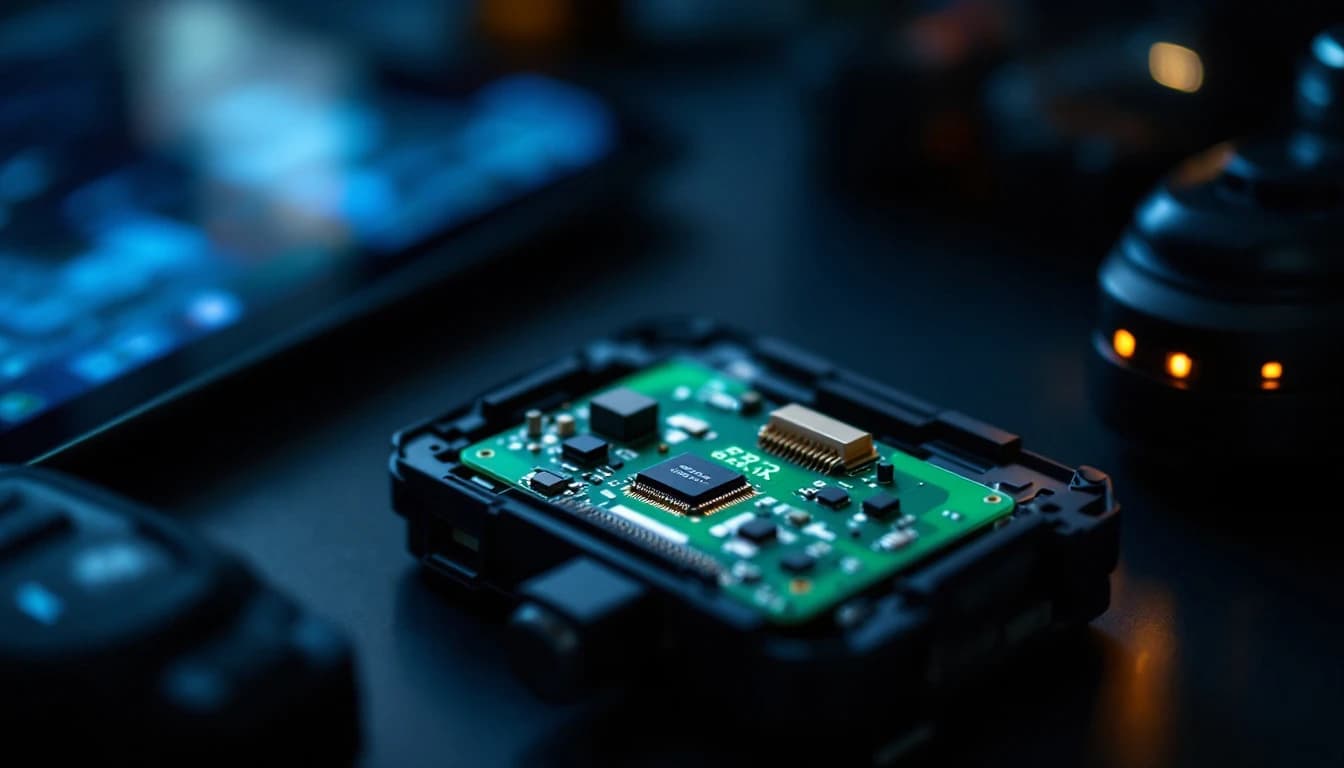
What makes FEM/BDC different, and harder, is integration and lockdown. Where CAS was a fairly dedicated security module, FEM and BDC fold the immobilizer and key security into a much larger body-domain controller that also runs a wide range of other electrical functions. The security data is more tightly locked, and the module has to be handled carefully on the bench, because it is doing far more than just guarding the keys. This is why FEM/BDC all-keys-lost work is regarded as the most demanding of the three systems, and why the up-front verification and careful bench handling matter most here.
For an all-keys-lost FEM/BDC car, the bench service reads the FEM or BDC module, works with its locked security data, and prepares the module so a new key can be authorized, all done on the bench under controlled conditions rather than gambling on an in-car procedure. Our BMW FEM/BDC key programming service is priced at $150 after verification. Given the complexity, the confirmation step is essential, and a technician verifies your exact chassis and whether you have FEM or BDC before anything ships. For the full technical walkthrough of this system, see our complete FEM/BDC key programming guide.
Cost and system comparison
Here is the whole picture in one place. Remember that the price is the bench service on a confirmed module; you choose your return shipping tier at checkout, from $29.95.
| System | Era (approx.) | Where key data lives | Relative difficulty | Bench service price |
|---|---|---|---|---|
| EWS | 1990s to mid-2000s | EWS module synced with the DME | Moderate, DME sync care | $250 |
| CAS (CAS1 to CAS4-plus) | Mid-2000s to mid-2010s | CAS module, centralizes access and security | Low to moderate, rises with revision | $150 |
| FEM / BDC | Mid-2010s onward | Integrated body-domain controller, tightly locked | Highest, most integrated and locked | $150 |
A few things stand out. EWS is the most expensive despite being the oldest, because the EWS-to-DME synchronization demands extra care to keep the car starting. CAS and FEM/BDC share a headline price, but FEM/BDC is the more demanding job under the surface, which is why the verification step is non-negotiable there. And in every case the number above is the bench work; return shipping is a separate flat-rate tier you pick at checkout.
How to identify which system your BMW uses
You do not have to be certain before you reach out, because a technician confirms the system from your VIN. But you can build a strong sense of where your car falls.
- By era. Very roughly, EWS is the oldest era, CAS is the large mid-2000s to mid-2010s middle, and FEM/BDC is mid-2010s and newer. Model years overlap at the boundaries, which is exactly why VIN confirmation matters.
- By chassis code. If you know your chassis, it usually maps to a system. The E-chassis cars are generally EWS or CAS depending on age, while F-chassis and G-chassis cars are FEM/BDC. Our BMW module programming by chassis overview maps the chassis codes to their controllers across the range.
- By VIN. The definitive answer comes from the VIN, which a technician uses to confirm not just the family but the exact revision, CAS3-plus versus CAS4, FEM versus BDC, before you ship. This is the step that prevents a wasted trip.
If you are unsure, that is the normal state of things, and it is precisely why the process starts with verification rather than with you guessing and ordering the wrong service.
As one independent locksmith who specializes in European immobilizer work put it:
"The first question is never how much does a BMW key cost. The first question is which system the car has, because that decides everything. I have watched people quote themselves a CAS price on an EWS car, or assume an F-chassis is going to be as easy as an old E90, and they are always off. Confirm the system from the VIN first, then talk about price and procedure. All-keys-lost done right is methodical, and the methodical part starts with correctly identifying the module you are dealing with." — Independent locksmith, 17+ years on European immobilizer systems (anonymized)
Why the bench path beats a dealer tow
For an all-keys-lost BMW, the default assumption is a flatbed tow to the dealer and a bill to match. The bench path exists to give you a better option for the module side of the job.
The security work, reading the module, recovering or preparing the key data, and authorizing a new key, is done on the bench under controlled, regulated power, by a specialist who does this specific work regularly. You ship the module, not the car. That avoids the tow, avoids dealer scheduling, and puts the specialized security step in the hands of someone who focuses on it.
You still handle the physical key blade cutting and final key side locally, but the hard part, the immobilizer authorization that a dealer charges a premium for, is the bench work. For older and higher-value BMWs especially, keeping the car on the road affordably protects its value, and vehicle value retention is something valuation sources like Kelley Blue Book and reliability-and-ownership analysts like J.D. Power track closely across the BMW range.
What the bench service does and does not do
Be clear on scope so expectations match reality.
What the bench service does:
- Reads the EWS, CAS, or FEM/BDC module on regulated bench power
- Recovers or prepares the key security data appropriate to your exact system and revision
- Enables a fresh key to be authorized in an all-keys-lost situation
- On EWS, keeps the DME synchronization intact so the car starts
- Verifies module communication before the unit ships back
What it does not do:
- It does not cut the physical key blade or supply the mechanical key, which is handled locally
- It does not repair unrelated electrical faults that happen to share the same module or network
- It does not bypass proof-of-ownership requirements, which are mandatory for all key work
- It does not guarantee a specific year or model is supported sight-unseen; a technician confirms your exact setup and fitment before you ship
That last point is the whole reason the process opens with verification. The three systems are different enough that no honest service promises a result before confirming which module you actually have.
Proof of ownership is required
Because all-keys-lost work authorizes a brand-new key to a vehicle, proof of ownership is required, without exception. A technician will ask you to confirm that you own the car before any module is read or any key data is prepared. This is a security safeguard that protects you as the owner and keeps the workshop compliant, and it is standard across the industry for any all-keys-lost or immobilizer authorization work. Vehicle-security best practices, reflected in the guidance published by the National Highway Traffic Safety Administration, treat control over who can author a key as a core anti-theft protection, which is exactly what the ownership check enforces.
The mail-in workflow
You do not bring the car anywhere. The module comes to the bench.
- Text us your VIN and your chassis, and describe the situation as all-keys-lost. A technician confirms which system you have, EWS, CAS, or FEM/BDC, and the exact revision, and what to remove and send.
- Provide proof of ownership as instructed.
- Once confirmed, remove the indicated module and ship it, well packed, to PO Box 120241, Arlington TX 76012 if you ship USPS — or 1009 Oakwood Ln # 120241, Arlington TX 76012 if you ship UPS or FedEx (UPS and FedEx cannot deliver to a PO Box).
- On the bench the module is read, the key data recovered or prepared, and communication verified.
- The module ships back with tracking via the return tier you chose at checkout, from $29.95, and you complete the physical key side locally.
The value of the bench path is that the demanding security step is handled by a specialist on clean power, so an all-keys-lost BMW does not have to mean a dealer tow and a dealer premium.
Frequently asked questions
Does BMW all-keys-lost cost the same regardless of the car? No, the cost depends entirely on which immobilizer system the car uses. EWS key programming is $250 because of the extra DME-sync care it needs, while CAS and FEM/BDC key programming are each $150, and a technician confirms your exact system from the VIN before quoting a final path.
How do I know if my BMW is EWS, CAS, or FEM/BDC? Roughly, EWS is the oldest era, CAS covers the large mid-2000s to mid-2010s middle, and FEM/BDC is on the newer F and G chassis, but the definitive answer comes from your VIN. A technician confirms not just the family but the exact revision, such as CAS3-plus versus CAS4, before you ship anything.
Why is FEM/BDC considered harder than CAS? Because FEM and BDC fold the immobilizer and key security into a much larger, more tightly locked body-domain controller that also runs many other functions. That integration and lockdown make the security data more demanding to work with, which is why the up-front verification and careful bench handling matter most on these systems.
Can you make the key if I have no working keys at all? Yes, all-keys-lost is exactly what these services address, by reading the security module and preparing the key data so a fresh key can be authorized from scratch. It is more involved than adding a spare, which is why the correct system identification and proof of ownership come first.
Do I need to send the whole car or just a module? Just the module. The bench service works on the EWS, CAS, or FEM/BDC unit you remove and ship, which avoids a dealer tow entirely, and you handle the physical key blade cutting and final key side locally after the module returns.
Is proof of ownership really required? Yes, without exception, because all-keys-lost work authorizes a brand-new key to your vehicle. A technician will ask you to confirm ownership before any module is read, which is a standard anti-theft safeguard that protects you as the legitimate owner.
Will the car start normally after the key is made? Yes, when the work is done correctly the car starts and runs as it should, because the service preserves the module-to-DME relationship the immobilizer needs. On EWS cars in particular, keeping that EWS-to-DME synchronization intact is a core part of the job.
The bottom line
A BMW all-keys-lost recovery is not one service with one price. It is three different jobs decided by your immobilizer system. EWS cars keep key data in the EWS module synced to the DME and run $250 for the extra sync care. CAS cars, from CAS1 through CAS4-plus, centralize security in the CAS module and run $150. F and G chassis cars use the integrated, tightly locked FEM or BDC controller, the hardest of the three, at $150.
In every case the bench path lets you ship a module instead of towing a car, with the demanding security step handled by a specialist on regulated power, and your return shipping chosen at checkout from $29.95. The one thing that decides everything is correctly identifying your system, which is why the process starts with VIN verification and requires proof of ownership. Text us your VIN and describe the all-keys-lost situation, and a technician will confirm whether you need EWS, CAS, or FEM/BDC key programming before anything ships.
Ship your module today
Flat-rate pricing, typical 24-hour bench turnaround, return speed your choice at checkout. Most jobs back on your bench within a week.