Ford PCM Replacement and PATS
Cranks like a champion, never fires
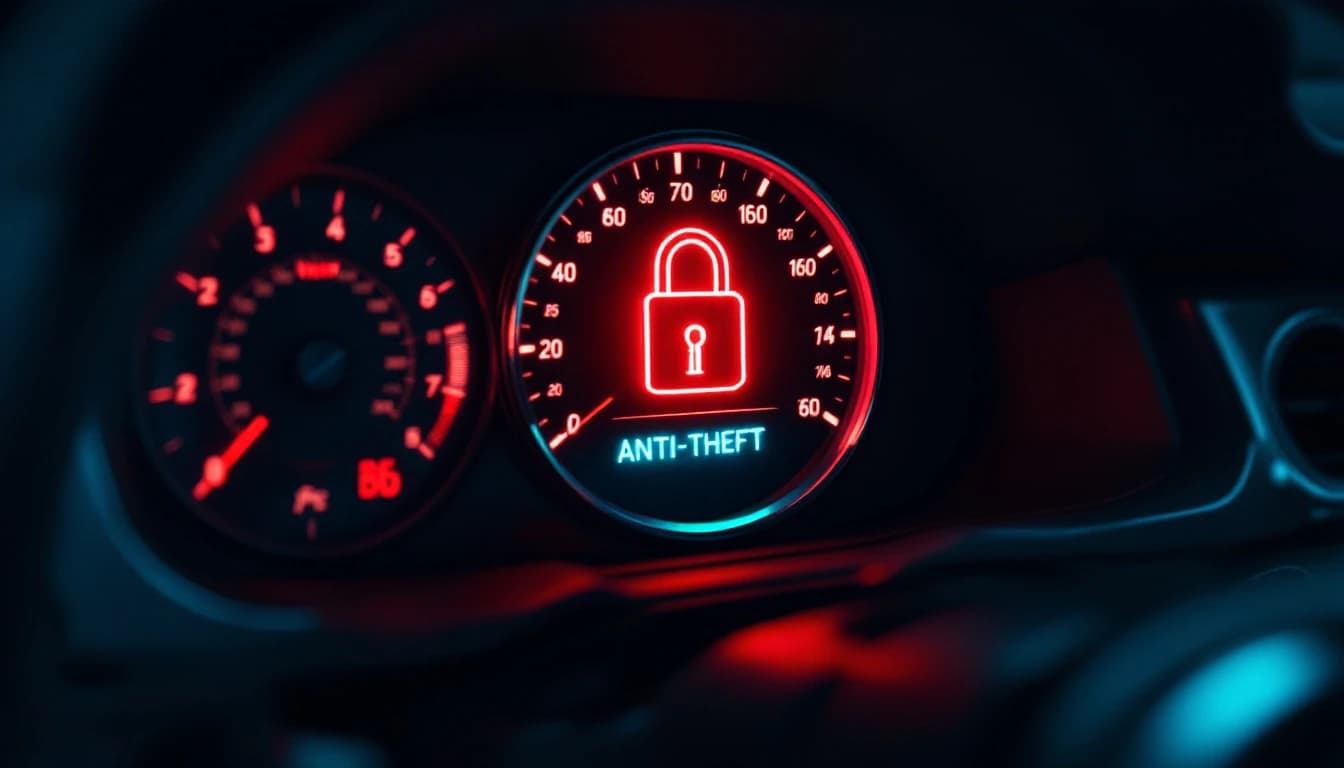
There is a specific flavor of frustration reserved for Ford owners who have just installed a used powertrain control module. The engine spins over strongly. The battery is fine. The fuel pump primes. And the theft light on the dash blinks steadily while the engine refuses to catch.
Nothing mechanical is wrong. The PCM is healthy. What is happening is that Ford's Passive Anti-Theft System — PATS — is doing exactly its job: refusing to allow an engine to run for a computer that does not recognize the vehicle's keys.
That single behavior is the most important thing to understand before buying any Ford engine computer, and it is the thing most sellers leave out of the listing.
What PATS actually does
PATS ties three things together: the key transponder, the vehicle's immobilizer function, and the powertrain control module. The PCM stores the anti-theft parameters that let it agree with the keys presented to it.
Move that PCM to a different vehicle and the agreement breaks. The module still holds the old truck's key data, so when your key is presented it does not match, and the module withholds fuel or spark. Crank, no start, blinking theft light — the signature that sends people down a week of forum searching.
This is architecturally different from GM. A GM engine controller mismatch produces a start-and-die with a security light, and the fix lives on the vehicle in a key-cycle relearn anyone can perform. Ford's fix requires a tool touching the car. That distinction drives everything below.
The two honest paths
Any credible Ford PCM supplier will put you on one of these, and will tell you which one before taking your money.
Path one: clone your original
If your original PCM can still be read on the bench, the cleanest answer is to copy its data onto the replacement. Your calibration, your VIN, and critically your anti-theft parameters all move across. The replacement becomes, functionally, your original module.
The result is a genuine plug-in. No PATS reset, no second appointment, no two-keys requirement. Install it and drive.
This is why we sell EEC-V PCM cloning as its own service for the older 104-pin family, and why the clone option exists on our programmed Ford PCM product. When your original still reads, cloning is both cheaper and better.
Path two: program to your VIN, then reset PATS on the car
When the original is dead, water-killed, or missing, there is nothing to copy. The replacement is flashed with the correct calibration and as-built configuration for your VIN — Ford publishes as-built data by VIN, so getting the right software is straightforward — and it ships ready to install.
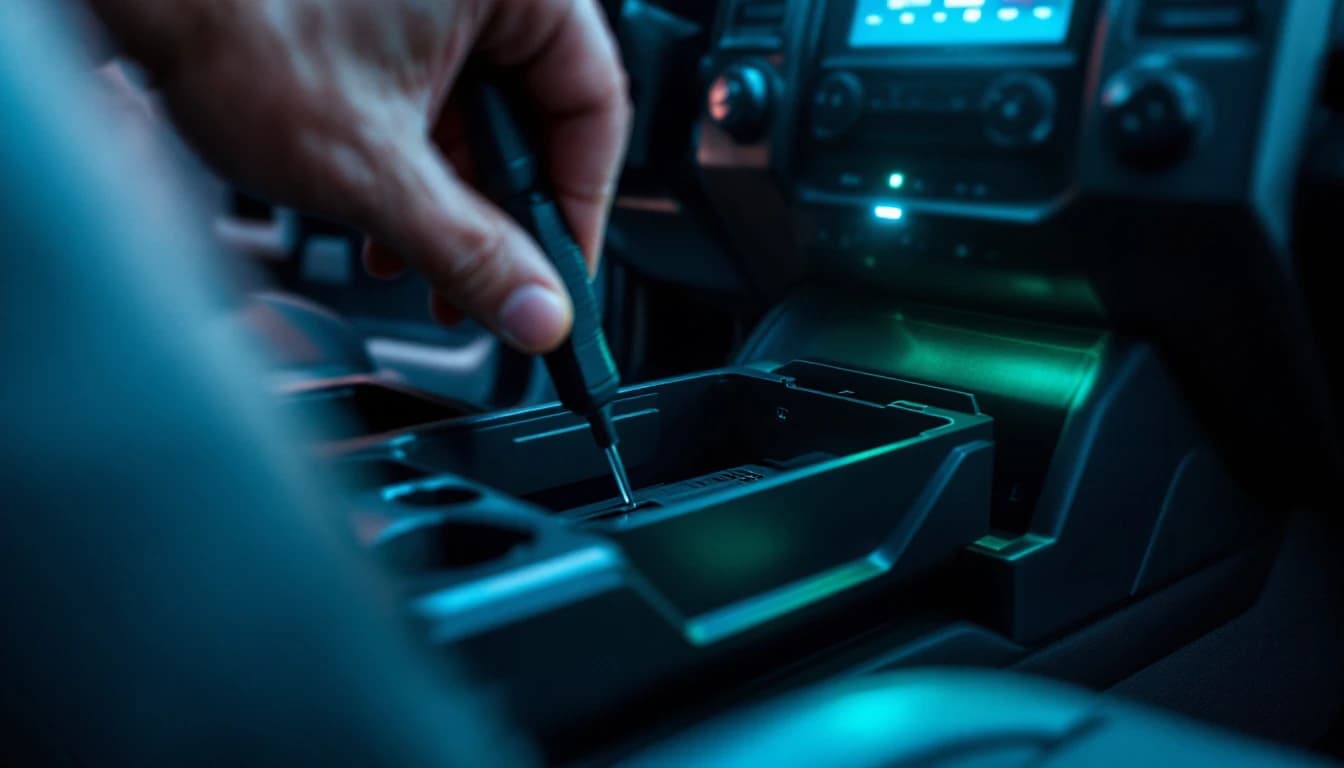
What it will need is a PATS parameter reset performed on the vehicle, with two working keys. This is a ten-minute procedure. A dealer can do it. Any independent shop with a capable scan tool can do it. An automotive locksmith can do it. And owners routinely do it themselves with a FORScan cable costing about twenty dollars.
It is not difficult. It is simply not optional, and finding out about it in your driveway rather than in the product description is what turns a good repair into a bad review.
"Ford customers don't get angry about the PATS step. They get angry about finding out at ten o'clock at night with the truck in pieces. Tell them at the checkout page and it's a footnote. Tell them after and it's a refund." — a master automotive locksmith (ALOA-credentialed) on our bench team
The tooling behind it
Ford's programming stack is worth understanding because it explains pricing and coverage.
FJDS covers J2534 reprogramming for roughly 1996 through 2018, and FDRS covers 2018 and newer — Ford documents the split on its Motorcraft service site. Ford has since consolidated these into a single Diagnostic Subscription, and the pricing is public: roughly $120 for two days, $300 monthly, or $1,200 a year.
That subscription cost is real, recurring, and part of why programmed Ford modules are priced where they are. It also explains why so few general repair shops offer this — the licensing only makes sense if you are doing volume.
What it costs in 2026
Dealer. Module, programming labor, and frequently keys on top, with the vehicle in the bay. RepairPal puts F-150 powertrain control module replacement well into four figures once everything is combined.
Programmed specialists. Flagship One built an entire business on programmed-to-VIN Ford modules, and the market generally runs $250 to $400 depending on application. Flashmasters prices VIN-programmed units in the same neighborhood. Our programmed Ford PCM is $379 for the common 4.6, 5.4 and 5.0 applications.
Raw cores. Used F-150 PCMs run roughly $65 to $200 for the older applications on eBay — and this is where a genuine pricing trap lives. Late-model 3.5L EcoBoost modules are dramatically more expensive used, with 2018-2020 units running $290 to $400. A shop quoting one flat price across every Ford year either has not checked or is planning to surprise you. We quote the late EcoBoost applications individually for exactly that reason.
Which vehicles, which years
The EEC-V generation — roughly 1996 to 2004, identified by its 104-pin connector — covers an enormous population: F-150, Ranger, Explorer, Mustang including the Cobra and Mach 1, Crown Victoria, and more. The later PCM generations carry through the 2005-2017 trucks and SUVs that make up most of what we see today.
The rule that prevents mismatches: read the tag number off your existing PCM and have it verified against your VIN before anything ships. Ford calibration coverage varies by application in ways that are not obvious from year and model alone, which is why we confirm rather than promise universal fitment.
When the PCM is not your problem
Before spending, rule these out — they produce convincing PCM-failure impressions:
A PATS problem with a healthy PCM. If your module is fine and the issue is keys or the transponder, you need key work, not a computer. Our Ford theft-light diagnosis guide walks through telling these apart.
Grounds, connectors, and water. The classic Ford PCM location behind the kick panel or firewall means water intrusion is a real failure mode — but corroded connectors produce the same symptoms without the module being bad.
Fuel and ignition. A no-start with no theft light at all is usually not an anti-theft problem. Check the basics.
Battery voltage. Low voltage generates codes across unrelated systems and sends people chasing modules.
Our Ford PCM failure symptoms guide covers the diagnostic side in more depth. And if your goal is specifically to eliminate the anti-theft system rather than work with it, that is a different service — PATS delete — with its own considerations.
Why the repair is worth doing
These are long-lived vehicles. Automotive research firm iSeeCars has documented how routinely F-Series trucks cross 200,000 miles, and the EEC-V and early-2000s applications are now deep into second- and third-owner ownership. A $379 programmed module against a four-figure dealer bill frequently decides whether the truck gets fixed or parted out.
The FORScan route, in practical terms
Because the PATS reset is the step that worries people most, it is worth describing what actually happens.
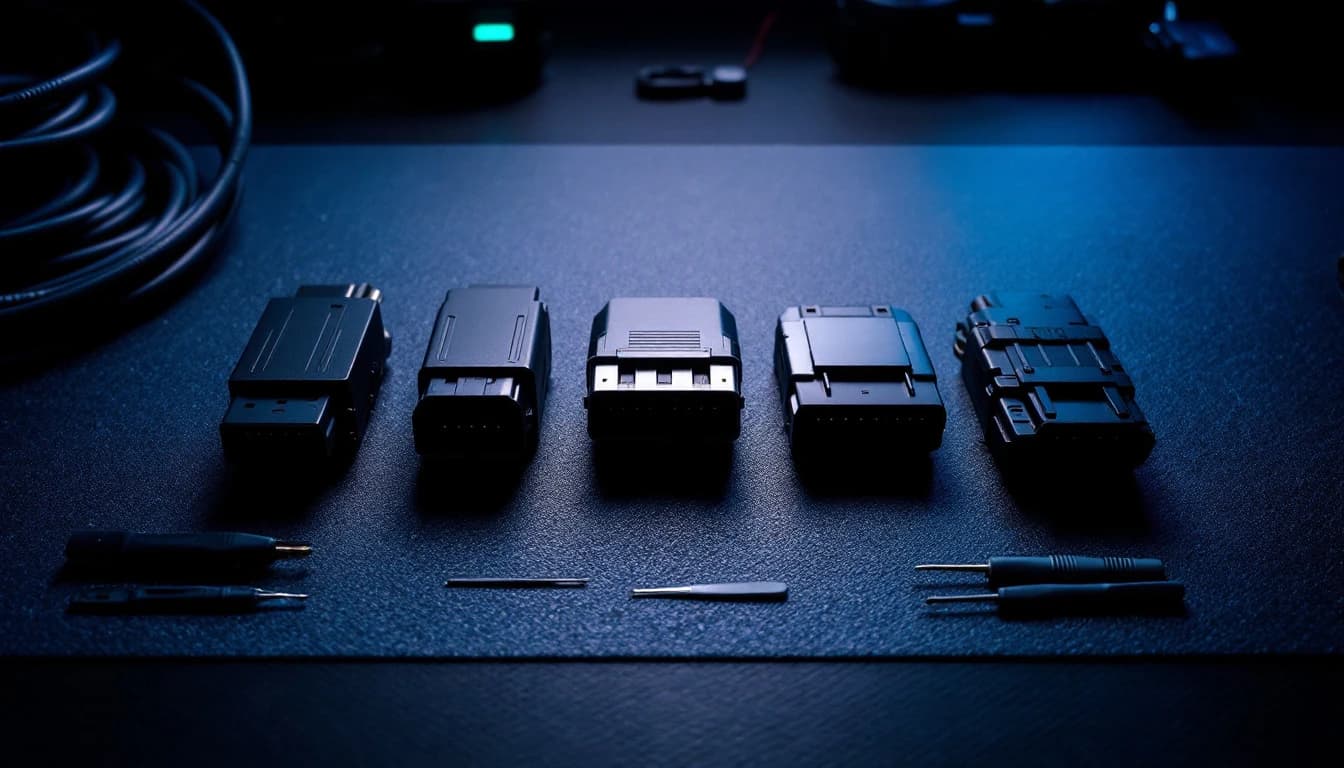
FORScan is diagnostic software that runs on a laptop or phone and talks to the vehicle through an inexpensive OBD adapter. The relevant capability is the PATS parameter reset, which requires two programmed keys and walks through a timed sequence: the software commands the reset, you cycle the ignition with the first key, then the second, and the module and vehicle establish their new agreement.
The whole thing takes about ten minutes and requires no disassembly. Owners do it routinely. What it does require is two working keys — if you only have one, have a second made before you start, because the procedure cannot complete without it.
If that is not something you want to do yourself, any independent shop with a capable scan tool handles it as a minor line item, and automotive locksmiths do this daily.
Water, kick panels, and why these fail
Ford's PCM mounting location is worth understanding because it explains the failure pattern.
On a large share of these vehicles the module lives behind the kick panel or against the firewall — a location that stays dry until a cowl drain plugs, a windshield seal ages, or a door membrane tears. Then it does not stay dry, and the failure that follows is gradual: intermittent stalling, drivability faults that come and go with weather, eventually dead drivers or no communication at all.
The practical implication is that if you are replacing a PCM on one of these, find out why the first one died. Installing a programmed module into a wet location produces a second failure and a customer who reasonably blames the part. Check the drains, check the seals, and dry the area before the new module goes in.
Why the bench matters
Programming is a write operation, and an interrupted write is how modules get destroyed rather than merely failing.
SAE International, whose J2534 standard governs pass-through reprogramming, treats stable voltage and an uninterrupted communication link as preconditions rather than best practices. A bench with a regulated supply guarantees both; a vehicle with a marginal battery in a driveway guarantees neither.
That is also what makes verification possible. A module confirmed powered-up and communicating before it goes in the box is a fundamentally different product from a used unit someone pulled, photographed, and listed — and it is the difference the price reflects.
What to send your supplier
Three pieces of information prevent essentially every bad outcome in this category:
Your VIN. The calibration and as-built configuration are keyed to it.
The tag number off your existing PCM. This is printed on the module itself and is more reliable than any catalog lookup, because supersessions mean the online listing and the physical part frequently disagree.
Whether your original still communicates. This single answer determines whether you are on the clone path (cheaper, no PATS step) or the program-to-VIN path. A supplier who does not ask has not thought about your vehicle.
A worked example: the 2006 F-150
A concrete case makes the two paths easier to weigh.
A 5.4L F-150 came in with a dead PCM — no communication, water damage visible at the connector from a plugged cowl drain. The owner had already bought a used module from a matching truck and discovered the crank-no-start with the flashing theft light.
His original was unreadable, so cloning was off the table. The used module he already owned went on the bench, was flashed with the correct calibration and as-built data for his VIN, and went back to him. He had two working keys, so the PATS reset was a ten-minute job at a local shop that charged him a diagnostic half-hour.
What made that job go smoothly was knowing the sequence in advance. He had two keys ready. He had already cleared the cowl drain so the replacement would not die the same way. And he was not surprised by the reset, because it was explained before he paid.
The version of that story that goes badly is identical except the owner discovers the two-key requirement at nine at night with the dash apart. Same parts, same cost, completely different experience — which is why the disclosure matters as much as the programming.
Ordering without a mismatch
Give any Ford PCM supplier three things:
Your VIN. Calibration and as-built configuration are keyed to it.
The tag number off your existing PCM. Printed on the module. More reliable than a catalog lookup because Ford supersessions are frequent and the online listing often disagrees with the physical part.
Whether your original still communicates, and how many working keys you have. The first determines clone versus program. The second determines whether the PATS path is even available to you today or whether you need a second key made first.
A seller who does not ask about keys has not thought about whether your truck will actually start when the box arrives.
Frequently asked questions
Why does my truck crank but not start after a PCM swap? PATS. The donor module holds the other vehicle's anti-theft data, so it does not recognize your keys and withholds fuel or spark. This is expected behavior, not a defective part.
Can I avoid the PATS reset entirely? Yes — clone your original PCM onto the replacement. The anti-theft data comes across and it becomes a true plug-in. This only works if your original can still be read on the bench.
What is the PATS reset, exactly? A one-time procedure performed on the vehicle with two working keys, telling the car and the new module to trust each other. About ten minutes. Any shop or locksmith can do it, and FORScan owners routinely do it themselves with a $20 cable.
Why do I need two keys? Ford's procedure requires two programmed keys to complete the parameter reset. If you only have one, plan on having a second made first.
What should a programmed Ford PCM cost? Roughly $250-400 for common applications. Late-model 3.5L EcoBoost modules cost substantially more as used cores and should be quoted individually — a single flat price across all Ford years is a red flag.
Does Ford's tooling cover my year? FJDS handles roughly 1996-2018 and FDRS covers 2018 and newer. Send your VIN and PCM tag number and we confirm coverage before you order.
The bottom line
Ford PCM replacement is entirely doable — it just has one step that GM does not, and pretending otherwise is how sellers generate returns.
If your original module still reads, clone it. That path preserves your anti-theft data, produces a genuine plug-in, and skips the extra work entirely. It is the better answer whenever it is available.
If it does not read, buy a module programmed to your VIN and plan on the PATS reset with two keys. It is a ten-minute job, it costs very little, and knowing about it in advance turns it from an ambush into a footnote.
Either way: read the tag number off your old PCM, get it verified against your VIN, and ask your supplier directly which of the two paths yours is on. Any seller who cannot answer that question clearly has not thought about your truck at all.
Ship your module today
Flat-rate pricing, typical 24-hour bench turnaround, return speed your choice at checkout. Most jobs back on your bench within a week.