GMT800 Silverado/Sierra Cluster Repair: Gauges and Mileage
Which trucks we mean by GMT800
GMT800 is General Motors' internal platform name for the full-size truck family that debuted for the 1999 model year. It covers:
- Chevrolet Silverado and GMC Sierra, 1999 through 2006 (the "new body style" at the time, and the "classic" body that stayed on sale for 2007)
- Chevrolet Tahoe, Suburban and GMC Yukon and Yukon XL, from the 2000 model year through 2006
- Chevrolet Avalanche, 2002 through 2006
- Cadillac Escalade, ESV and EXT, 2002 through 2006
Details differ by year, trim and market, and we would rather you check your exact truck than assume. If your VIN puts you right on a boundary, such as a 1999 or 2000 model or a 2007 classic, text us the VIN and we will confirm what applies. The Chevrolet and GMC owner sites are where to look up factory option and equipment information.
These trucks are now old. The average age of light vehicles on US roads has climbed above 12 years, according to S&P Global Mobility, and GMT800 trucks are well past that average, which is why their clusters are now a common repair. Many owners are keeping them on purpose. Enthusiast and valuation outlets such as Hagerty and MotorTrend have written about how clean examples of these trucks have become sought after, so fixing a cluster is often a better choice than moving on.
The common cluster failures
Every GMT800 owner knows the pattern. One day a gauge starts to misbehave, and over months more join it. Here are the symptoms we see most, and what each one usually means.
Dead or wandering gauge needles
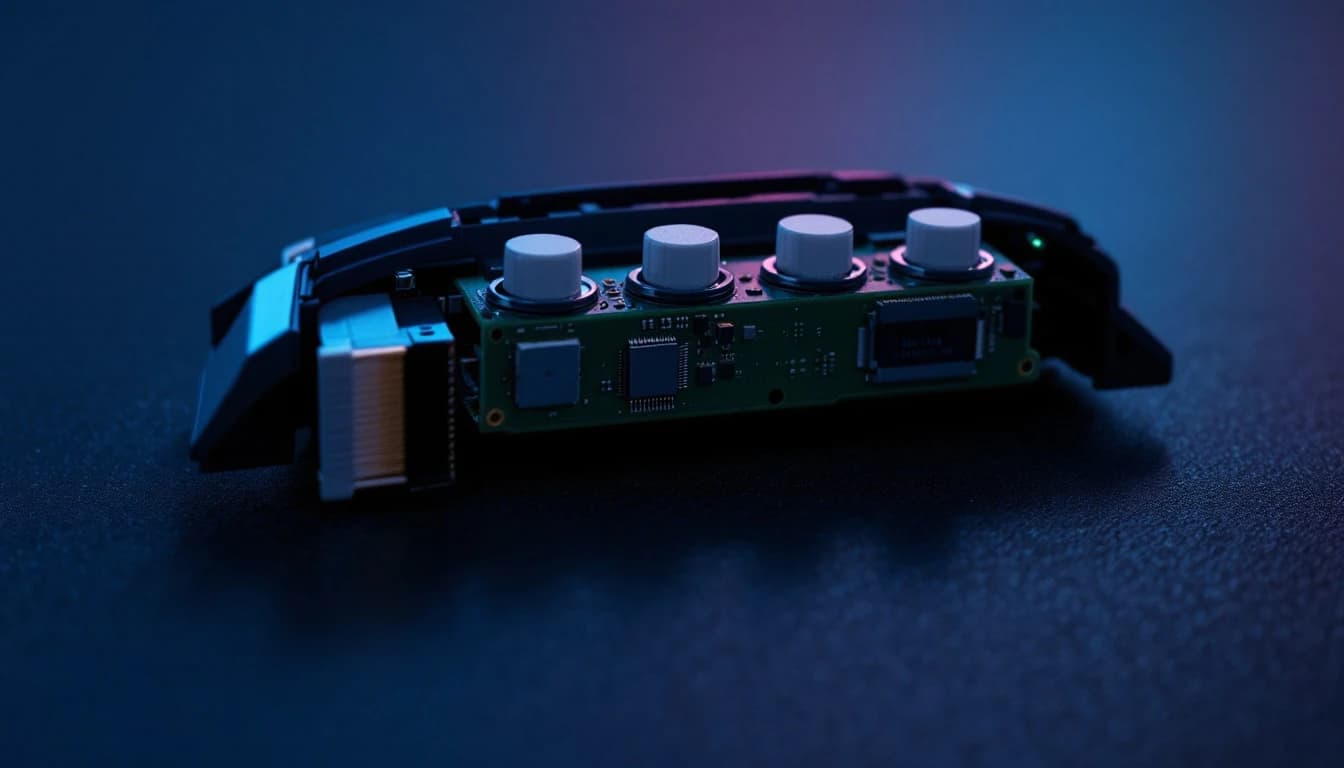
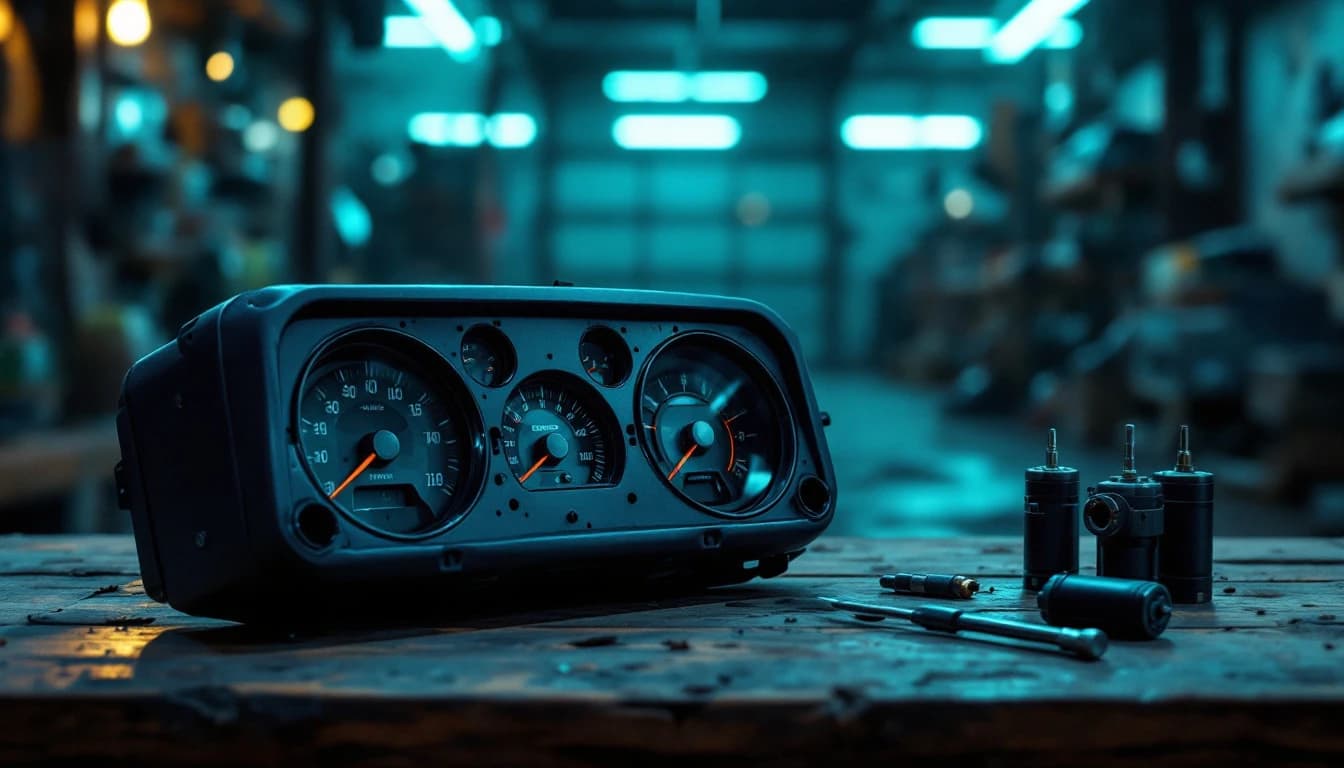
The needles in these clusters are moved by small stepper motors soldered to the cluster board. When a motor wears, cracks a solder joint or loses its gear mesh, the needle can stick, pause at the wrong spot, swing past where it should, or fall to zero. The classic signs:
- The speedometer, tachometer, fuel or temperature needle sits at rest while the truck runs
- A gauge works in the cold and quits when the cluster warms up, or the reverse
- A needle jumps around at startup, or does not sweep through its range at key-on
- Several gauges fail together, which often points at the cluster board rather than one motor
A stepper-motor needle problem lives inside the cluster. It will not be fixed by replacing a sensor, and it will not be fixed by clearing codes.
Backlight and bulb problems
Bulb sockets and backlight bulbs in older clusters fade and burn out, leaving a dim display, dark gauges at night or warning lights that do not show. Our cluster repair and our GM upgrade services do not list backlight or bulb replacement as covered work, and our service pages say backlight failures are a separate repair, so text us a photo and symptoms before you ship if backlight is your main complaint.
Display pixel loss
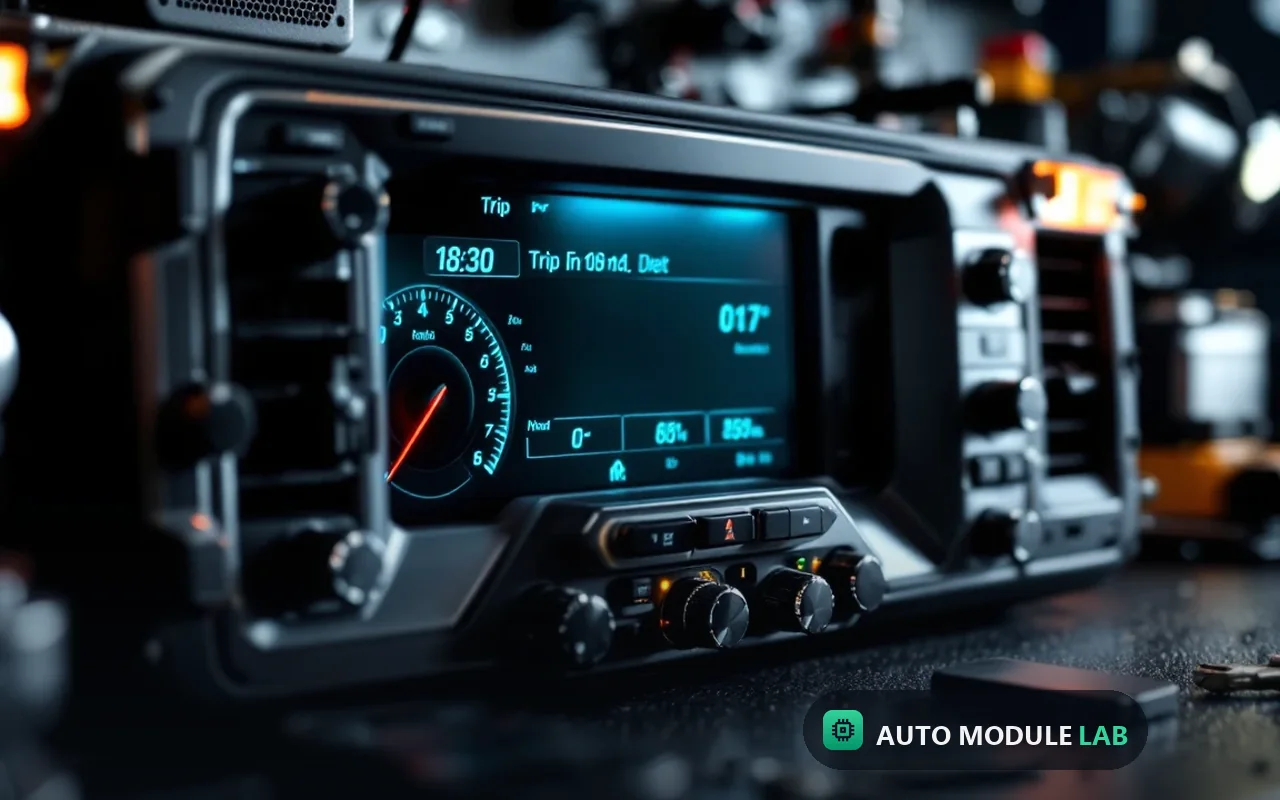
The digital odometer and the information display can lose segments or pixels over time, leaving a mileage readout you cannot read. Pixel and display repair is something a cluster bench can do on many clusters, but physically cracked screens or glass are a different problem.
Erratic speedometer
An erratic speedometer is the symptom most often blamed on the cluster when the cluster is fine. The speedometer needle follows a speed signal. On these trucks that signal comes from a vehicle speed sensor or wheel speed sensor, through the powertrain controller, the ABS system or both, depending on the year and drivetrain. A speedometer that jumps, drops to zero for a moment, or only works some of the time can be:
- A failing speed or output shaft sensor
- A damaged wire or corroded connector on the signal path
- An ABS wheel speed sensor with a dirty or cracked tone ring
- The cluster's own stepper motor
How to tell: if the speedometer is wrong and the transmission shifts oddly or a check-engine or ABS light is on, look at the sensor first. If every other gauge works, the shifts are normal and no codes point at a speed sensor, the cluster becomes the suspect. A scan tool that can show vehicle speed as the engine controller sees it is the quickest test: if the scan tool shows a smooth, correct speed while the needle wobbles, the cluster is the culprit.
Odometer problems
The odometer can go blank, show dashes or show wrong mileage after cluster repairs, battery trouble or a replacement cluster. This is the most sensitive failure, because mileage is legally regulated. We cover it in a section of its own below.
How the cluster stores identity and mileage
A GMT800 cluster is not just a display. It holds data that belongs to the truck:
- Mileage: the odometer count is stored in the cluster's memory. Depending on the year and the truck, other modules may also hold a copy or reference.
- Identity and configuration: the cluster knows what truck it belongs to and how the truck is equipped, so it can display the right units, warning messages and options.
- Theft-deterrent link: these trucks use a theft-deterrent family GM sold as PASS-Key and Passlock, varying by year and model. The system ties the ignition lock or key to the body control module, and the cluster takes part in showing the security status and in some years in the exchange. A replaced cluster or body control module that does not match can leave the truck with a SECURITY light and a no-start.
That last point is why a used cluster is not always a plug-in swap. A cluster that came off another truck brings the other truck's mileage and may not agree with yours on security. Our guide to GM Passlock and anti-theft faults explains how the theft-deterrent system behaves after a cluster or body control module swap and how a bench fix works.
Your three options
Option 1: Repair the original cluster
Repair means keeping the cluster that belongs to your truck and fixing what failed on its board. Advantages: your mileage and identity stay with the original, there is no mismatch with the body control module, and you avoid hunting for a donor.
Our instrument cluster repair and mileage sync service is $200 flat as of October 2026. It is a universal, all-makes service whose published scope lists pixel repair, dead cluster recovery, mileage sync after replacement, component protection clear and EEPROM recovery, and GM is among the makes listed. We do not want to over-claim: the published scope does not name individual stepper-motor replacement or GMT800 trucks by model, and backlight failures and cracked screens are outside it. So for a stepper-motor needle complaint on a GMT800, text us first with the VIN, the symptoms and a photo, and we will tell you what we can do before you ship anything.
Option 2: Install a used cluster
A used cluster is the cheapest part cost up front, and it comes with strings:
- It carries the donor truck's mileage, which will not match your truck
- It may be matched to the donor's identity and theft-deterrent data
- Its stepper motors and backlight have the same age as yours, so the same failure may be waiting
- It may be a different option level, with different gauges or features
If you go this route, plan on programming after the install. Our GM instrument cluster upgrade and mileage program is $300 as of October 2026. It marries a cluster to your VIN, syncs true mileage and clears the anti-theft lock so the truck accepts your keys. Its published coverage lists the Silverado, Sierra, Tahoe, Yukon, Suburban, Escalade and Avalanche and lists the 2003 to 2006 analog cluster among its year ranges. It does not list 1999 to 2002 trucks by name, so for those, text us the VIN and we will confirm fitment first. The same page says stepper-motor and needle failures are programmed around, not rebuilt, and backlight failures are separate.
Option 3: Upgrade to a higher-trim cluster
Some owners want a cluster from a higher trim, such as one with more gauges or a different display, for a base truck. This is the "upgrade" version of a used swap, and it needs the same programming, plus a check that the truck's wiring and options support the gauges the new cluster expects. A gauge for a function the truck does not have will simply read nothing.
The GM instrument cluster upgrade service covers VIN marriage and mileage for a cluster that you supply or source. Do not confuse it with our Denali cluster upgrade kit, which is a different product: a new cluster that we supply, listed for 2014 to 2020 trucks and SUVs. That kit is not for GMT800 trucks, and we are not offering it as one. If you saw a "Denali-style cluster" described online, check the years before you buy.
Comparing the three routes
| Route | Typical cost level | Mileage and identity | Main risk | Best for |
|---|---|---|---|---|
| Repair original cluster | $200 service as of October 2026, plus any parts and return shipping | Stays with the truck | Scope limits; some failures may need a different repair | One or two failed functions on an otherwise good cluster |
| Used cluster plus programming | Cost of the used cluster plus $300 programming service | Must be programmed to your VIN and true mileage | Donor cluster has the same age and wear | Cluster too damaged to repair |
| Higher-trim cluster upgrade | Cost of the cluster you source plus $300 programming service | Must be programmed; options must match | Gauges for features the truck lacks | Owners who want different gauges |
Return shipping is paid by the customer at checkout, from $29.95 for Standard, with UPS 2nd Day and UPS Next Day available.
Mileage: sync to true mileage only
This is the part where we are strict, and you should be too.
When a cluster is replaced or repaired, the odometer must show the truck's actual mileage. Federal law, enforced through NHTSA and the Department of Justice, prohibits changing an odometer to show a lower reading with intent to defraud, and the penalties can include fines and up to three years in prison. NHTSA has estimated that more than 450,000 vehicles a year are sold with false odometer readings, costing buyers roughly $1 billion. History reports such as Carfax flag mileage inconsistencies, so a bad number tends to be found.
Our rules:
- We sync the cluster to the mileage already recorded in your truck's own modules or your original cluster, not to a number you supply.
- If your original cluster is destroyed, send a photo of the last known reading or a recent inspection record.
- We do not roll back mileage, and we do not write a lower number.
- Disclosure when you sell the truck is your responsibility.
We explain the law and the legitimate cases in our guide to odometer and mileage correction. A cluster swap is a legitimate reason to sync mileage, and doing it correctly protects you at sale time.
Before you spend anything: rule out the truck
A cluster rebuild is the wrong fix if the cluster is not the problem. Check these first.
- Battery and charging. Low voltage can make gauges drop, flicker or read low. Test the battery and alternator output.
- Fuses and grounds. Check the cluster and ignition fuses, and clean the main grounds.
- Scan the truck. A scan tool with live data shows whether the engine controller sees the right vehicle speed, engine speed, temperature and fuel level. If the scan tool and the gauge disagree, the cluster is suspect. If both are wrong, the sensor or signal is.
- Speed sensor and wheel sensors. An erratic speedometer often traces to a sensor, a connector or an ABS tone ring.
- Fuel level and temperature senders. A fuel gauge stuck full or empty can be the sender in the tank, not the cluster.
- Theft-deterrent status. If the SECURITY light is on or the truck will not start, that points to the Passlock family, not the gauges.
If you have a network or power fault instead, see our guide to dead gauges and instrument cluster diagnosis.
On these trucks I see the same thing every month: a speedometer that is blamed on the cluster and turns out to be a sensor or a connector, and a fuel gauge that is the sender. Scan the truck first. If the scan tool shows a healthy signal and the needle is still wrong, then the cluster earns the bench. — Independent driveability technician, 18+ years (anonymized)
How the mail-in process works
- Text us first with the VIN, the year and model, the symptoms and a photo of the cluster lit up, so we can confirm fitment and scope.
- We email a prepaid inbound label. Getting the cluster to us does not cost you shipping on the way in.
- Remove the cluster carefully. Disconnect the battery, follow the service procedure for your truck, and note that these trucks may have airbag components near the column. If you are not comfortable, have a shop remove it.
- Ship the original cluster. If we are syncing from an original to a donor, ship both, or send a clear mileage photo if the original is destroyed. Include the VIN, a copy of the order confirmation and your return address.
- Bench work. We repair or program, verify on the bench and ship back, typically about 24 hours after receipt.
- Return shipping is paid at checkout, from $29.95 for Standard, UPS 2nd Day or UPS Next Day if you are in a hurry.
For anything touching keys, immobilizers or the theft-deterrent system, proof of ownership is required.
Reinstall tips
- Reconnect the battery and cycle the key before starting. A theft-deterrent relearn, if required for your truck, has a waiting period, so follow the instructions we send.
- Check every warning light goes through its bulb check and goes out.
- Check the speedometer against GPS on a short drive.
- Confirm the odometer matches the truck's true mileage.
What a cluster service does and does not fix
It can help when:
- The cluster's own electronics have failed: dead display, pixel loss, memory corruption or power fault on the cluster board
- A replacement cluster needs the truck's mileage and identity
- The theft-deterrent system locks out a swapped cluster
It does not fix:
- A bad speed sensor, fuel sender, wiring fault, blown fuse or weak battery
- A failed body control module or powertrain controller
- Cracked glass or screens
- Backlight and bulb failures, which are separate
- Anything involving a mileage number that is not the truck's true recorded mileage
Costs in context
As of October 2026 our published prices are $200 for cluster repair and mileage sync and $300 for the GM cluster upgrade and mileage program, both plus return shipping from $29.95. A dealer is generally not equipped to repair a cluster of this age and will quote a replacement, so the comparison is usually repair versus a used or reman unit plus programming. For a GMT800 truck that is worth keeping, repairing the original and keeping its mileage and identity is often the most straightforward path, as long as the failure is one a bench can fix.
Frequently asked questions
Can you repair a GMT800 Silverado or Sierra instrument cluster?
Often yes. Our cluster repair and mileage sync service is $200 as of October 2026 and covers GM among all makes, including dead clusters and display pixel repair. Stepper-motor needle failures and backlight problems have limits, so text us the VIN and a photo to confirm what we can do before you ship.
Why do the gauges on my 2000s Silverado or Tahoe stop working?
The needles are driven by small stepper motors soldered to the cluster board, and with age the motors wear or the solder joints crack. The result is a needle that sticks, wanders or sits at zero. Rule out a bad sensor, sender or voltage problem first, then the cluster.
Is my speedometer problem the cluster or the speed sensor?
Check the sensor first. If a scan tool shows a smooth, correct vehicle speed while the needle jumps, the cluster is at fault. If the scan tool shows the same erratic value, a speed sensor, wiring or ABS signal is the cause, and no cluster repair will fix it.
Will a used cluster show the right mileage on my truck?
No. A used cluster carries the donor truck's mileage and may carry its identity data, so it must be programmed to your VIN and synced to your truck's true recorded mileage. Our $300 GM program does that and also clears the anti-theft lock so your keys work.
Can the Denali cluster upgrade kit go in a 1999 to 2006 truck?
No. Our Denali cluster upgrade kit is listed for 2014 to 2020 trucks and SUVs, not for GMT800 models. For a GMT800, the options are repairing your cluster or installing a used or higher-trim cluster that we then program to your VIN under the $300 GM program.
Will you roll back or set the odometer to a number I choose?
No. We only sync to the truck's true recorded mileage, taken from your original cluster or the truck's modules, or from a photo or inspection record if the cluster is destroyed. Rolling back mileage is illegal under federal law, and we do not do it under any circumstances.
Will the truck still start after a cluster swap?
Usually yes, if the cluster is programmed correctly. On these trucks the cluster and body control module take part in the theft-deterrent system, so an unmatched swap can leave a SECURITY light and a no-start. Our GM program clears that lock, and proof of ownership is required.
The bottom line
GMT800 clusters fail in familiar ways, but the cluster is not always the guilty part: scan the truck, check the speed sensor, fuel sender, fuses and battery before you ship anything. When the cluster really is the problem, you can repair the original, fit a used one or upgrade to a different trim, and any cluster that is not your original must be programmed to your VIN and synced to the truck's true mileage. As of October 2026 a mail-in repair and sync is $200 and the GM upgrade and mileage program is $300, plus return shipping from $29.95. Text us your VIN and a photo and we will tell you which route fits.
Ship it for the instrument cluster repair + mileage sync — $200 flat
Typical 24-Hour Turnaround, return speed your choice at checkout. Prepaid inbound label by email the minute you order.