Hyundai & Kia ECU Cloning: SIM2K and Kefico
Two of the most-searched cars in America, one immobilizer problem
Hyundai and Kia stopped being budget also-rans a long time ago. Between them the Hyundai Motor Group has become one of the largest automakers on the planet, and their cars are everywhere on American roads — which means their engine computers fail everywhere on American roads too, and their owners run into the same wall that catches every modern brand: a used ECU will not start the car.
The scenario is familiar by now. An Elantra or a Sorento throws an engine-computer fault, the dealer quotes a new ECU plus programming, and the owner finds the identical part on eBay for a fraction of the price. It goes in, the engine cranks — and never starts. The used unit is not broken. It is carrying another car's immobilizer data and correctly refusing to run a vehicle it was never paired with, the same anti-theft logic the IIHS credits with driving vehicle theft rates down across the fleet.
This guide covers why Hyundai and Kia ECUs behave this way, what makes the SIM2K and Kefico units specifically a bench job rather than a plug-in one, how cloning copies your data onto a donor so it actually starts, and the honest boundary between cloning and on-car immobilizer work.
The immobilizer lives in the ECU — so the ECU is not a generic part
On Hyundai and Kia, immobilizer credentials are stored inside the engine control unit. Every start runs a handshake: the key or smart-key system presents its identity, the immobilizer logic checks it against what the ECU holds, and only a valid match lets the engine run. Because that credential lives in the ECU, the module is an identity-bearing computer, not an interchangeable part — the same principle we lay out across the fleet in our how ECU cloning works explainer.
So the used-ECU failure is not a defect, it is the design. The donor ECU carries the donor car's immobilizer data. Your car's immobilizer asks its question, gets an answer built from the wrong credentials, and the ECU refuses to fire the engine — cranking, communicating, healthy, and married to the wrong car. No OBD trick, fuse pull, or battery disconnect talks it into cooperating; the identity data itself has to change, and that is bench work.
Why SIM2K and Kefico units are read in boot mode
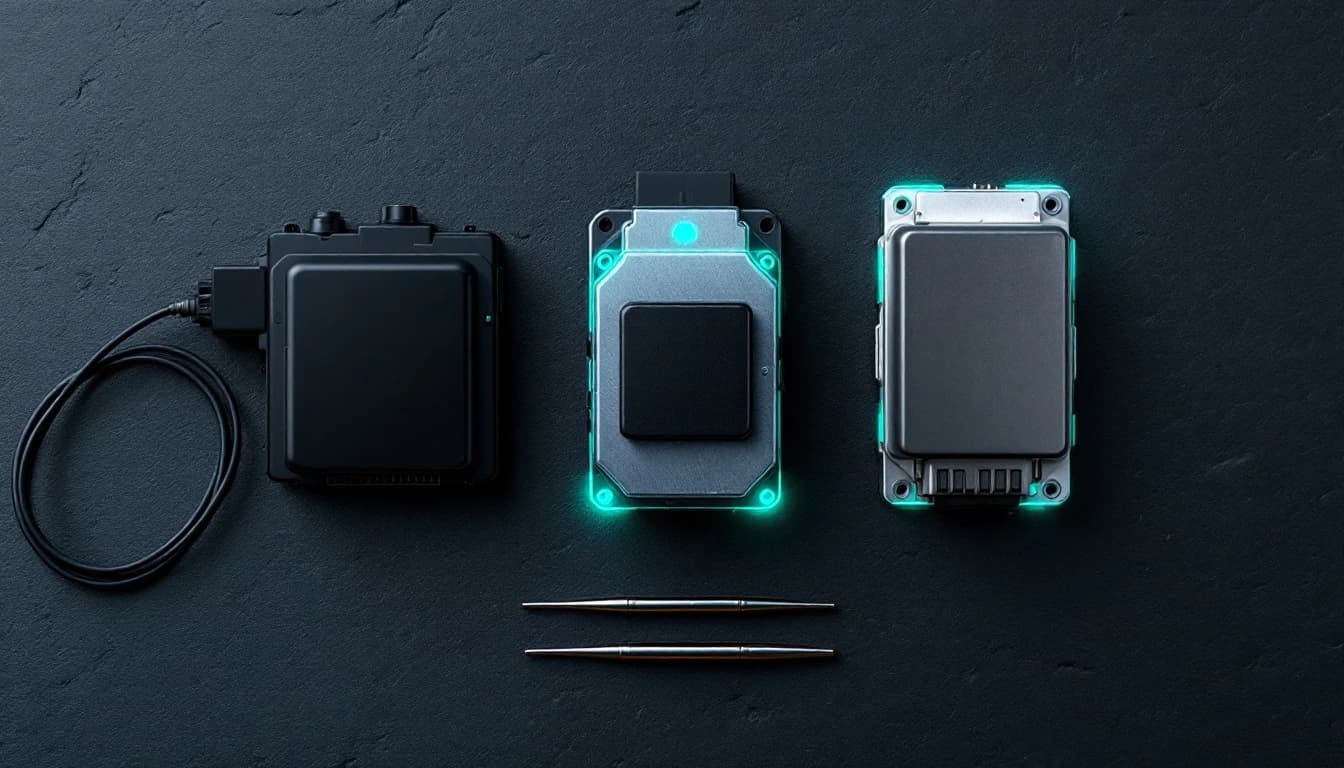
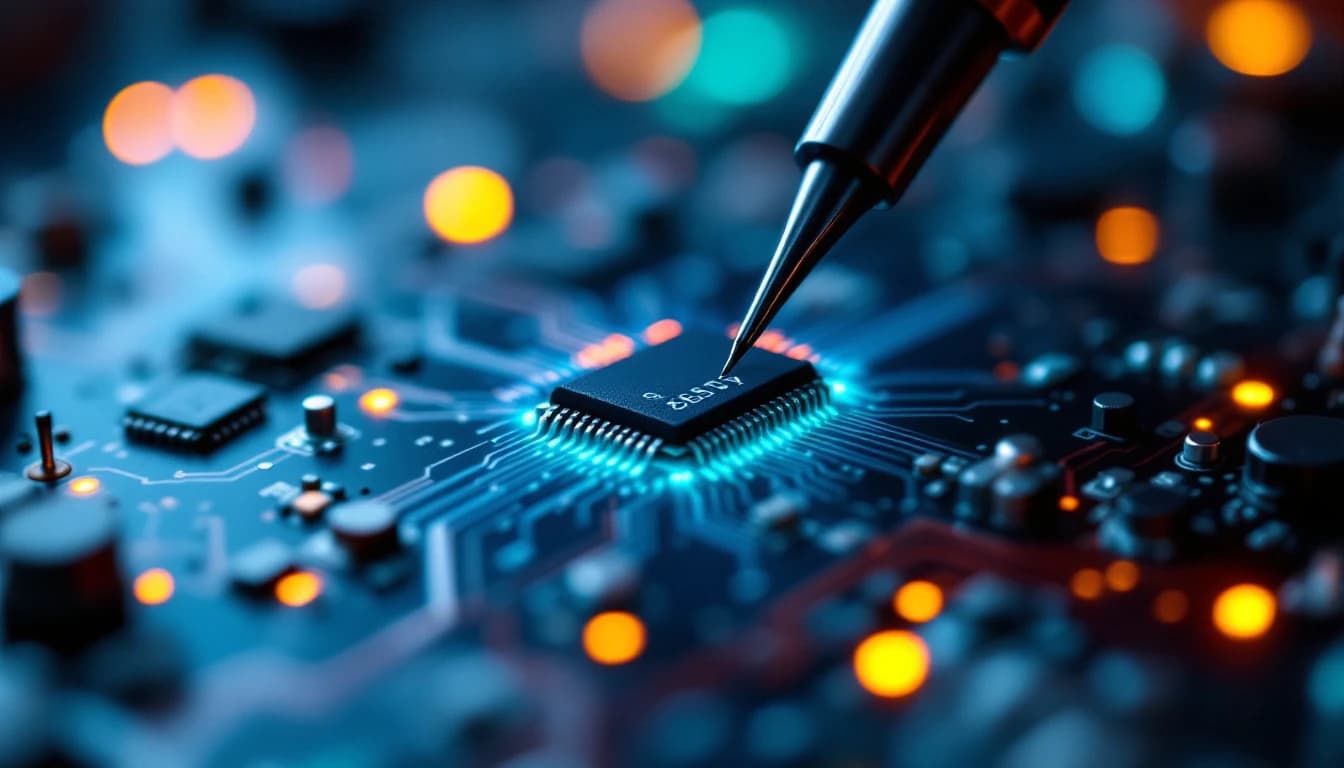
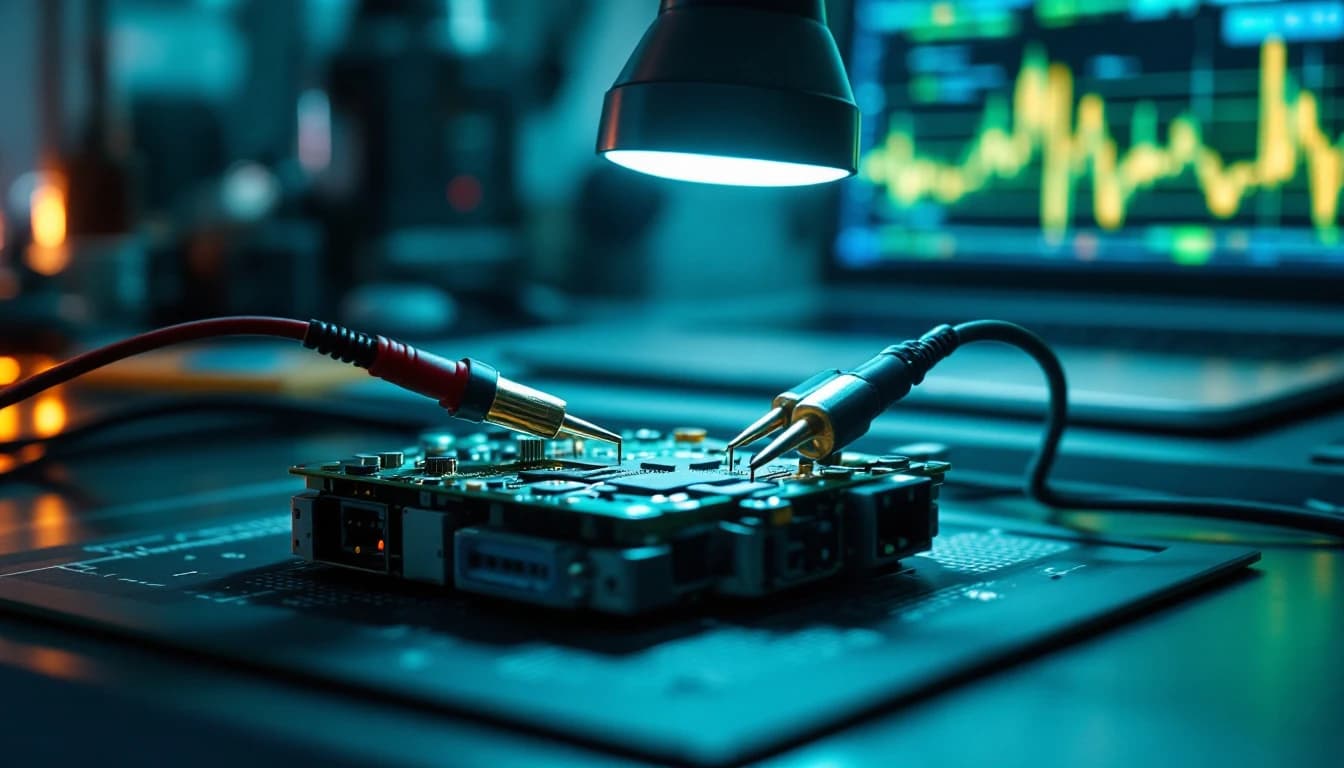
Here is what makes these particular ECUs a bench job specifically. The common Hyundai/Kia engine computers of this era come from two supplier families, and both are read in boot mode — meaning the unit is opened and its data pulled directly from the circuit board, rather than through the OBD port:
- Continental SIM2K family — the SIM2K-240, SIM2K-241, and SIM2K-251 ECUs (and matching TCUs) are widely used across the Hyundai/Kia gasoline range. These are read in boot mode on the bench for cloning; the tooling documentation for the SIM2K-240 describes exactly this — physically opening the unit to access and read the data.
- Kefico family — the Kefico ECUs (including the CPEGD units) span a broad slice of Hyundai and Kia models and are likewise handled on the bench.
Boot-mode reading is why this is not a driveway plug-in job. The unit has to be opened and its memory imaged directly, which is precisely the kind of controlled bench operation that lets us copy your data cleanly and, just as importantly, back it up before writing anything. It is the reliable route for these families, and it is what the whole cloning service is built around.
A bench technician who clones these units regularly framed the read this way:
"People assume every ECU can be read through the OBD port because that's how a scan tool works. These SIM2K and Kefico units aren't like that for cloning — you open the case and read the chip directly in boot mode. It sounds intimidating, but it's actually the safe way: I image the original before I touch anything, so there's always a backup. That's the difference between bench cloning and gambling with a flash over the port." — Independent ECU-cloning technician, Korean-brand focus (anonymized)
What cloning does, and the line we will not cross
Cloning copies your original ECU's data — immobilizer relationship included — onto the matched donor. Read your original in boot mode, write its complete contents to the donor, and the result is a module the car already trusts: same immobilizer credentials, same identity. It drops in and starts.
Because the clone carries your car's own immobilizer data, no on-car immobilizer or smart-key registration is part of this workflow. The marriage rides with the clone. That is both the advantage over a raw swap and the honest boundary of the service: on-car immobilizer resets and key registration done through the OBD port with the car present are separate on-car work we do not perform. If a situation genuinely requires that — a dead original that cannot be read, a key-registration job — cloning is not the tool, and we will say so rather than take a job that does not fit.
Which points to the one prerequisite: your original ECU must be readable. Cloning copies from a source; a completely dead board has nothing to copy. Most failed ECUs still read even when they will not run the car, but it is the first thing to confirm before ordering.
Which Hyundai and Kia models
The SIM2K and Kefico families cover a large share of the mainstream Hyundai/Kia gasoline lineup:
- Hyundai — Elantra, Sonata, Accent, Tucson, Santa Fe, Kona, Veloster, and older Genesis models.
- Kia — Optima/K5, Forte, Sorento, Sportage, Soul, and related models.
Because these two brands sell in enormous volume, donor ECUs are plentiful at salvage yards, on eBay, and through parts recyclers. The rule is the same as always: the donor must match your original's part number for a clean clone. Send the part number of your candidate before you buy, and we confirm it — Telluride, Palisade, and the newest platforms in particular should be verified by part number first, since coverage tracks the specific ECU family rather than the badge on the car.
Cloning versus the other paths
A raw used ECU is the cheapest to buy and the one that cranks-no-starts, for the immobilizer reason we have covered — the universal used-module trap detailed in our used ECU swap vs cloning guide.
A new dealer ECU, programmed works but is the expensive route, frequently out of proportion to the value of an aging Elantra or Optima. With the average vehicle on U.S. roads past 12.5 years old, owners keep these cars precisely because they are worth keeping and not worth a four-figure electronics bill.
Cloning your original onto a donor is the middle path that actually works: a cheap matched donor, your data moved onto it in boot mode, plug-and-play with the immobilizer intact, for $250 — provided your original reads.
What it is worth
The math is short and it favors cloning. A used ECU that never starts is money burned on a part plus a failed diagnosis. A dealer ECU-plus-programming can approach or exceed the car's remaining value, which the used-vehicle valuation data tracks unforgivingly for older economy cars. A clone is a cheap donor plus $250 of bench work and ends with a running car whose factory anti-theft — the protection the NHTSA immobilizer guidance exists to promote — is fully intact.
What to ship
- Confirm your original reads, and text us the part numbers of your original and your donor candidate so we can verify the match before you buy.
- Order online — Hyundai/Kia ECU clone $250 — and choose return shipping at checkout (Standard $29.95, UPS 2-Day $54.95, overnight $94.95).
- Pack your original ECU and the matched donor together, with proof of ownership and your printed order confirmation. USPS: PO Box 120241, Arlington TX 76012. UPS/FedEx: 1009 Oakwood Ln # 120241, Arlington TX 76012.
- typical 24-hour bench turnaround. Your original is read in boot mode, cloned onto the donor, verified, and both modules ship back.
- Install and start. The cloned donor drops in plug-and-play — no on-car immobilizer step.
Ruling out the ordinary causes first
A clone fixes an ECU problem, so it is worth confirming that is what you have before shipping. A true ECU failure shows as no communication on a scan tool or a confirmed internal fault after the basics check out — not a lone sensor code. On Hyundai and Kia specifically, it is also worth confirming the no-start is not the immobilizer antenna ring or a failing smart-key system rather than the ECU itself, since those produce similar symptoms from the driver's seat. General no-start diagnostic references like the Car and Driver troubleshooting guides cover the ordinary suspects — fuel, spark, sensors, grounds — worth ruling out first.
The clean test is the same as on any brand: if the car cranks and will not start with a used ECU installed, that is the immobilizer mismatch cloning fixes. If it cranks and will not start on the original ECU with nothing swapped in, diagnose the ordinary causes first, because a flawless clone will still not overcome a bad crank sensor or a fuel-supply fault.
The theft context, and why keeping the immobilizer matters
Hyundai and Kia have been at the center of a well-documented vehicle-theft wave tied to models that shipped without immobilizers, a story the IIHS/HLDI documented in detail and one that pushed insurers and owners alike to take anti-theft hardware seriously. That backdrop makes the case for cloning even stronger: it keeps the factory immobilizer fully active rather than defeating it. A cloned ECU is a legitimate repair that preserves the security the car was built with — the opposite of the bypasses that made these brands a theft target in the first place. Keeping the system intact protects the car, your insurability, and the vehicle's standing on services like Kelley Blue Book.
How the bench read protects your data
There is a benefit to boot-mode cloning that owners underrate until they need it: your original's data is imaged and backed up before anything is written to the donor. Reading the SIM2K or Kefico unit in boot mode is not just how the clone is made — it is how a safety copy of your immobilizer credentials gets created in the process. For a car whose ECU is failing, that saved image is quietly valuable: the data exists independently of an aging board, so even in the rare event of a poor donor match, the job can be re-attempted on a better donor rather than lost.
That discipline — treat the data as the asset, the hardware as replaceable — is what separates professional cloning from a gamble. It is why a clone produces a plug-and-play module where a raw used swap produces a no-start, and it is the approach independent-repair guidance from outlets like Consumer Reports consistently favors: keep the original data and the factory systems intact rather than discarding or defeating them. On a Hyundai or Kia, where the immobilizer credential is the thing standing between you and a running car, preserving it carefully is the whole job.
The mail-in advantage for these brands specifically
A practical reason the mail-in bench path suits Hyundai and Kia especially: boot-mode ECU cloning is a specialized capability that most local shops do not have, even excellent ones that can diagnose the failure perfectly well. That leaves owners choosing between a dealer's new-ECU-plus-programming quote and giving up on a car that is otherwise sound. Mailing the module solves it by sending the specialized step to the specialist while the car stays in your driveway. You pull the ECU, ship it with a matched donor, and get back a plug-and-play module read and cloned in boot mode — without needing to locate a shop that both understands SIM2K and Kefico architecture and owns the bench tooling to work it. For two brands whose cars increasingly stay on the road well past their first owner, that combination of accessibility and a preserved factory immobilizer is exactly why cloning has become the sensible default.
Frequently asked questions
Do you do Hyundai/Kia immobilizer resets or smart-key registration?
No — those are on-car procedures we do not offer. This is a bench clone: the SIM2K or Kefico ECU is read in boot mode and your original's data, immobilizer relationship included, is copied onto the donor. Because the clone carries your data, the car accepts it with no on-car reset in this workflow.
Which ECUs exactly do you cover?
The common Continental SIM2K families — SIM2K-240, 241, and 251 — and Kefico units, read in boot mode on the bench. Between them that spans a large share of Elantra, Sonata, Tucson, Santa Fe, Optima, Sorento, Soul, and Sportage. Send your part number and we confirm before you ship.
What is boot mode, and why does it matter?
Boot mode means the ECU is opened and its data read directly from the board rather than through the OBD port. It is the reliable way to read these SIM2K and Kefico units for cloning, and it is why this is bench work rather than a plug-in job. It also lets us back up your original before writing anything.
What if my original ECU is completely dead?
Cloning copies from a readable source, so a board that will not read at all cannot be cloned. If that is your situation, this bench path cannot help and you would be on a dealer/programming route. Unsure whether it reads? Tell us the symptoms first.
Where do I get a donor?
Salvage yards, eBay, and recyclers — supply is deep because these brands sell in huge numbers. Send us the part number of your candidate first so we can confirm it matches your original before you spend anything.
The bottom line
A used Hyundai or Kia ECU refuses to start your car for one reason: it is married to another vehicle, and the immobilizer inside the engine computer correctly rejects yours. The fix is moving your own data onto it — read your original in boot mode, clone it onto a matched donor, and the replacement drops in plug-and-play with the immobilizer intact, for $250 in a typical 24-hour bench turnaround. Cloning only, no on-car reset, and the one requirement is a readable original.
Chasing a used-ECU no-start on a Hyundai or Kia? Start with the Hyundai/Kia ECU clone service or read more on the Hyundai/Kia brand page — or text us your part numbers and we will confirm the match before you buy a donor.
Ship your module today
Flat-rate pricing, typical 24-hour bench turnaround, return speed your choice at checkout. Most jobs back on your bench within a week.