VW & Audi PCR2.1 and EDC17: Immo-Off vs Clone
The ECUs the older guides skip
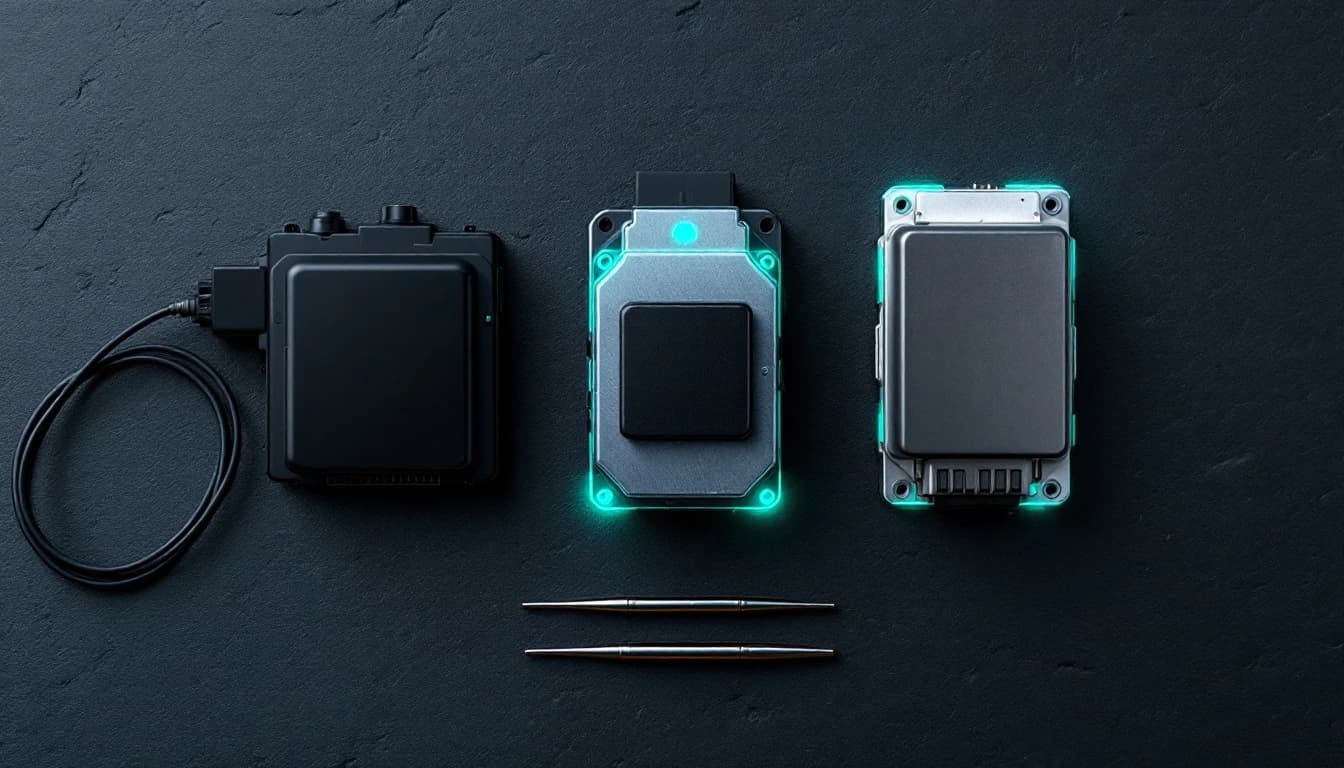
Search "VW immo off" or "Audi ECU clone" and you will find a lot written about the MED17 petrol computer and the EDC16 diesel. Those guides are correct — for the cars that used them. But VW and Audi moved on, and the newer models sitting in driveways today mostly run two different Bosch families that the older articles never mention: the PCR2.1 on the modern petrol engines, and the EDC17 on the diesels that replaced the EDC16.
That gap matters because the newer ECUs bring the exact same two headaches, and owners keep running into them with no clear guidance. A used PCR2.1 off eBay cranks the engine and never fires. An EDC17 swap into an older shell won't run because the immobilizer is still looking for the donor car. This guide covers those two families specifically — what they are, why a used one won't start, and the two bench operations that fix it: cloning and immo-off. It is the newer-ECU companion to the general immo-off decision guide.
What PCR2.1 and EDC17 are, and which cars have them
The PCR2.1 is the Bosch/Simos engine ECU on a huge slice of 2013-and-up VW and Audi models with the EA211 1.4 TSI and EA888 Gen3 2.0 TSI engines. If you own a Golf 7 or GTI, a Jetta, a Passat B8, an Audi A3 8V, A4 B9, or Q3 — or the Škoda and SEAT cousins — there is a strong chance a PCR2.1 is running the engine. It is newer, and different, from the MED17 that the older immo-off content addresses.
The EDC17 is the Bosch diesel ECU that followed the EDC16, spanning roughly 2008 to 2016 across the VW and Audi TDI range — Golf and Jetta TDI, Passat TDI, Audi A3/A4/A6 TDI, Q5 TDI, Touareg. Our long-standing TDI service covers the EDC16 (2004-2009); the EDC17 is a separate family, and it is the one under the hood of nearly a decade of diesels after that.
Both are now firmly in the second- and third-owner phase of life. S&P Global Mobility puts the average vehicle on U.S. roads past 12.5 years old, which lands the entire PCR2.1 and early-EDC17 population squarely in the years where an engine-computer failure meets a budget that does not stretch to dealer electronics. That collision is exactly why the used-ECU and swap paths exist.
Why a used PCR2.1 or EDC17 cranks but never starts
VW and Audi protect the engine ECU with an immobilizer, the same anti-theft architecture the Insurance Institute for Highway Safety credits with driving vehicle theft rates down as it spread through the fleet, and that the NICB tracks from the insurance side. On every start the ECU exchanges a cryptographic handshake with the rest of the car before it will allow the engine to run.
A used ECU carries the donor car's immobilizer data. Your car issues its challenge, gets an answer computed from the wrong credentials, and the ECU sits there — powered, communicating, healthy, and unwilling to fire the engine. Crank, no start, no fault beyond an immobilizer mismatch. It is the same trap that catches used-module swappers across every brand: modern control modules are identity-bearing computers, not interchangeable parts. Nothing over the OBD port talks a foreign ECU into cooperating; the identity data itself has to change, and that is bench work.
The fork: clone (keep the immobilizer) or immo-off (remove it)
Here is the decision that the older one-size guides gloss over, and it is the whole point. There are two completely different bench operations, and they serve opposite purposes.
Cloning keeps the immobilizer. If your original ECU still reads, cloning copies its complete data — VIN, immobilizer relationship, coding — onto a matched donor. The result is a module your car already trusts: same credentials, same identity, plug-and-play. Critically, the factory anti-theft stays fully active. This is the path for a normal repair — a failed or water-damaged ECU where you want the security system untouched and the car exactly as it was.
Immo-off removes the immobilizer. An immo-off (delete) edits the ECU so it no longer requires the immobilizer handshake to run. This is not a repair path — it is a build path. It exists for the legitimate cases where the immobilizer is in the way of the project rather than protecting a daily driver: an engine swap into an older or non-VAG chassis, a standalone or marine or off-road build, or a genuinely orphaned platform where the key and immobilizer path is simply gone.
A bench technician who runs both operations put the distinction plainly:
"The first question I ask is always the same: are you fixing a car, or building one? If you're fixing it — your ECU died, you bought a used one, you want your car back the way it was — you clone, and the immobilizer stays. If you're building — engine's going into something it didn't come in, or the car's orphaned and there's no key system left — you immo-off. People get in trouble when they immo-off a daily driver they could have just cloned, or try to clone into a swap that has no donor immobilizer to talk to. Match the operation to the goal and it's a clean job." — Independent VAG ECU-cloning technician, 12+ years (anonymized)
That framing — repair versus build — is the same one we lay out in the broader immo-off decision guide, applied here to the two newer families.
What each service actually does
PCR2.1 immo-off + clone, $250. For the 2013+ EA211/EA888 petrol ECU. Immo-off for a legitimate build, or a 1:1 clone onto a donor with VIN, immobilizer, and coding carried over. The one prerequisite for a clone is that your original still reads.
EDC17 TDI immo-off + clone, $250. For the 2008-2016 diesel ECU. Same two paths. And a hard line worth stating twice, because diesel owners ask: we do the immobilizer side only. We do not delete or disable the DPF, EGR, AdBlue/SCR, or any emissions equipment — selling those for street vehicles is a Clean Air Act violation, and it is simply not something we offer. The EDC17 service is strictly immobilizer and cloning work.
Bosch engine-ECU clone, $300. The immobilizer-preserving clone across MED17/ME17, EDC17, and PCR2.1 — the repair path when you want a used ECU to run with the factory anti-theft intact. You supply the donor; we verify the part number first.
Why the clone route protects more than convenience
Choosing to clone rather than immo-off a daily driver is not just about doing the job "right" — it protects the car's value and legitimacy. A vehicle with its factory immobilizer intact is worth more and easier to insure than one whose anti-theft has been stripped, which insurers and buyers rightly treat as a red flag. Vehicle-history and valuation services like Carfax and Kelley Blue Book reward clean, legitimate repair histories. A clone keeps the security system the NHTSA's anti-theft and immobilizer guidance exists to encourage — you are restoring your access to a protected car, not defeating the protection.
Immo-off is the right call only when there is no daily-driver immobilizer to protect — a swap, a standalone, an orphaned shell. Used correctly it is a legitimate, common operation; used as a lazy substitute for a clone on a street car, it needlessly strips protection. The ALOA and the broader trade treat both as legitimate for their proper situations, which is exactly why we require proof of ownership on every immobilizer job and ask what the vehicle actually is before we touch it.
What it costs versus the alternative
Run the math the way an owner experiences it. A used PCR2.1 or EDC17 that never starts is money burned on a part plus a failed diagnosis. A new dealer ECU, programmed, frequently approaches or exceeds the remaining value of an aging Golf, Passat, or A4 — a squeeze the used-vehicle valuation data tracks unforgivingly. Against that, a clone is a cheap matched donor plus $250-300 of bench work, ending with a running car and the immobilizer intact; an immo-off is $250 that turns a stalled swap into a running engine. Either way, the bench beats the dealer for exactly the cars people keep because they are worth keeping.
What to ship
- Confirm the family and, for a clone, that your original reads. Text us the VIN and the ECU part number so we can confirm whether you have a PCR2.1, an EDC17, or a MED17, and match a donor if you are cloning.
- Order online — PCR2.1 $250, EDC17 $250, or the Bosch ECU clone $300 — and choose return shipping at checkout.
- Pack the ECU (plus a matched donor for a clone), a note stating immo-off or clone, proof of ownership, and your order confirmation. USPS: PO Box 120241, Arlington TX 76012. UPS/FedEx: 1009 Oakwood Ln # 120241, Arlington TX 76012.
- typical 24-hour bench turnaround. Immo-off or clone, verified, then shipped back.
- Install and run. A clone drops in plug-and-play with the immobilizer intact; an immo-off runs without it for your build.
How to tell which family you have
Before you order anything, it is worth confirming which of the three Bosch families is actually under your hood, because the service and the donor match both depend on it. Three quick signals:
Model year and engine. A 2013-or-newer VW/Audi with the 1.4 TSI (EA211) or 2.0 TSI (EA888 Gen3) petrol engine is very likely a PCR2.1. A 2008-2016 TDI diesel is very likely an EDC17. The older MED17 petrol and EDC16 diesel sit below those year ranges.
The ECU part number. The number printed on the ECU label is the definitive answer — it identifies the exact family and sub-variant, and it is what tells us whether a candidate donor genuinely matches for a clone. A one-digit difference in the sub-variant can be the difference between a clean clone and a wasted donor purchase.
When in doubt, send it. Text us the VIN and a photo of the ECU label and we confirm the family, the sub-variant, and the donor compatibility before anything ships. That single message prevents the most common mail-in failure, which is shipping the wrong module or an incompatible donor and losing a day. Independent-repair guidance from outlets like Consumer Reports consistently notes that correct part identification is where used-electronics repairs succeed or fail — and on these VAG families, getting the sub-variant right is the whole game.
Why the data is backed up before anything is written
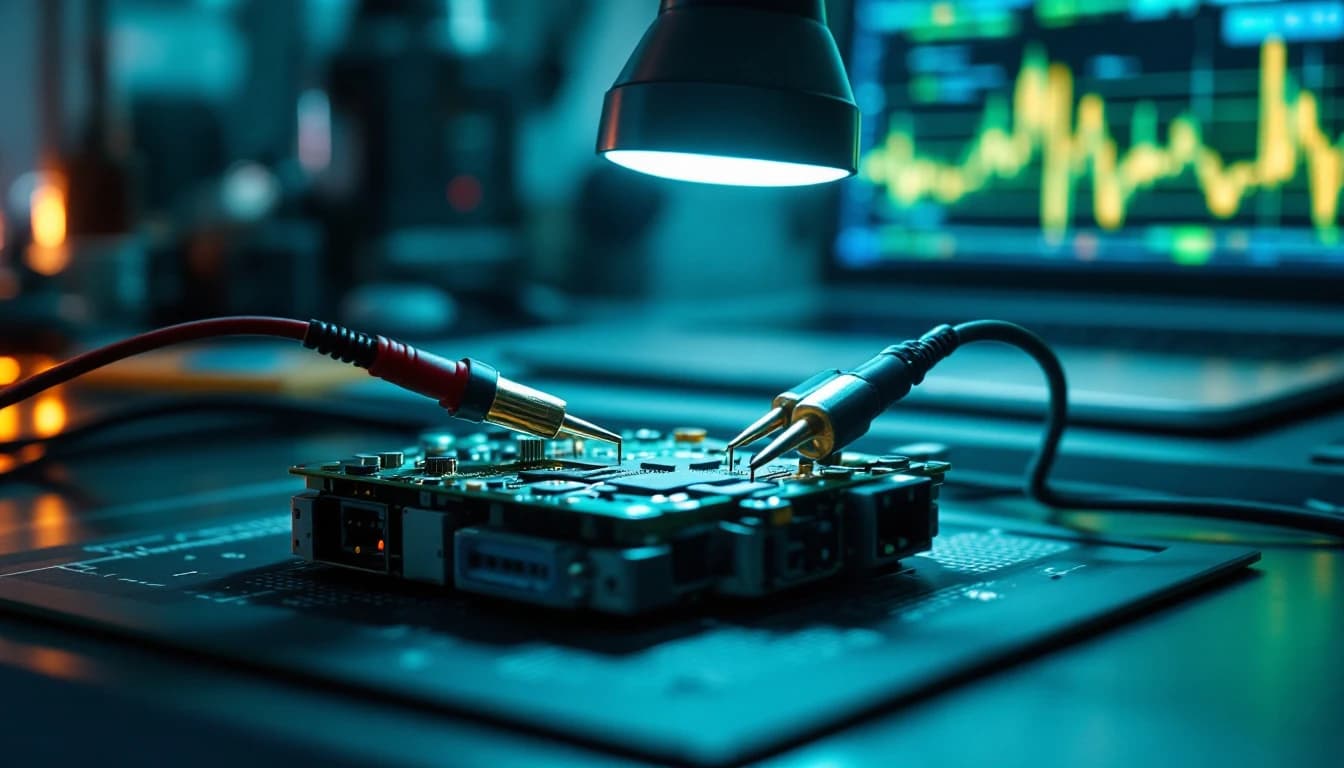
One reason the bench is the right place for both operations: on a clone, your original ECU's complete data is imaged and saved before it is written to the donor, and on an immo-off the original file is preserved before the edit. That means a mistake is recoverable rather than catastrophic, and it means a clone can be re-attempted on a better donor if the first candidate turns out to be a poor match. The data is the asset; the hardware is replaceable. That conservative discipline — image first, then edit — is what separates professional bench work from a flash-and-pray over the OBD port, and it is the same practice that governs modern module security under diagnostic standards like SAE J2186.
The locksmith and shop angle
A large share of this work comes not from owners but from the trade — independent locksmiths and repair shops who have the customer and the diagnosis but not the bench tooling for the newer Bosch families. The PCR2.1 and EDC17 are exactly the units where a general shop hits a wall: the diagnosis is clear, the fix is a bench operation they do not do in-house, and the dealer quote sends the customer away. Mailing the module to a dedicated bench closes that gap without the shop losing the job — the specialized step travels to the specialist while the car and the customer stay put. Proof of ownership or a verified business credential is required either way, consistent with how the ALOA and the broader trade handle immobilizer work. For a shop, that turns a job they would otherwise turn away into a same-week bench turnaround they can hand back to their own customer.
Frequently asked questions
Immo-off or clone — how do I decide?
Are you fixing a car or building one? Fixing — a failed ECU, a used replacement, you want the car back the way it was — clone, and the immobilizer stays active. Building — engine going into something it didn't come in, or an orphaned shell with no key system — immo-off, which removes the immobilizer requirement. Tell us which situation you are in and we route the job.
Why won't a used PCR2.1 or EDC17 just start my car?
Because it carries the donor car's immobilizer data. Your car's handshake fails, so the engine cranks but never fires. Cloning copies your original's data onto that donor so the car trusts it; immo-off removes the handshake requirement entirely for a build.
Do you delete the DPF, EGR, or AdBlue on the EDC17?
No — never. We do not perform any emissions-related edits. Selling emissions deletes for street vehicles is a Clean Air Act violation. The EDC17 service is strictly immobilizer-off and cloning.
Is my original required, or can you work from just a donor?
For a clone, yes — cloning copies from a readable original, so it must read. For an immo-off, we work on the ECU you send. Tell us the symptoms if you are unsure whether your original still reads.
Do you require proof of ownership?
Yes, on every immobilizer job. Immo-off and cloning are security-relevant, so proof of ownership and valid ID or verified business credentials are required before any work is done.
The bottom line
The newer VW and Audi engine ECUs — the PCR2.1 on modern petrol cars and the EDC17 on the diesels after the EDC16 — bring the same two problems the older families did, and the same two bench answers. Clone to keep the immobilizer and make a used ECU run as a repair; immo-off to remove the immobilizer for a legitimate swap or orphaned build. $250 for either newer-family service, $300 for the immobilizer-preserving clone, typically 24 hours on the bench, proof of ownership required, and no emissions edits, ever.
Fighting a used-ECU no-start or planning a swap on a newer VW or Audi? Start with the PCR2.1 or EDC17 service, or the immobilizer-preserving clone — or text us your VIN and ECU part number and we will confirm the family and the right operation before you ship.
Ship your module today
Flat-rate pricing, typical 24-hour bench turnaround, return speed your choice at checkout. Most jobs back on your bench within a week.