Mercedes ELV/ESL Emulator: How the Bypass Works
The failure that strands a Mercedes in a parking lot
It is one of the most frustrating breakdowns a Mercedes owner can have, precisely because nothing looks broken. You turn the key or press start, the dash lights come up, and then nothing. Sometimes there is a distinct clicking or grinding coming from behind the steering wheel. Sometimes the steering wheel stays locked and will not budge. Very often the engine will not crank at all, even though the battery is fine and the key is recognized. The car is, functionally, held hostage by a part most owners have never heard of: the electronic steering lock.
Mercedes calls it the ELV (from the German Elektrische Lenkungsverriegelung) or, in English service language, the ESL — electronic steering lock. It is a compact motorized module clamped around the steering column. On many models built through the 2000s and into the 2010s it is a genuinely common failure point, and because it sits in the start-up chain, its failure does not just make the wheel stick — it can stop the car from starting entirely. This guide explains exactly why, and lays out the two legitimate ways to fix it.
What the ELV/ESL actually does
The electronic steering lock does one physical job: it drives a metal bolt into or out of the steering column to lock or unlock the wheel. When you walk away and the car sleeps, the ELV extends the bolt and the wheel locks — an anti-theft measure. When you return and authenticate with a valid key, the ELV is supposed to retract the bolt so you can steer and start.
The important part is that it does not do this in isolation. The ELV is wired into the car's authentication network and answers to the EIS — the Electronic Ignition Switch, the module the key talks to. On start-up the EIS runs an authentication sequence with the key and then commands the ELV to unlock. The ELV motor retracts the bolt and, crucially, reports back to the EIS that it has unlocked. Only when the EIS receives that confirmation does the start sequence continue to the engine.
That handshake is the whole story. If the ELV motor is worn, if its internal gears or Hall sensor fail, or if the module simply dies, one of two things happens: the bolt does not retract (wheel stays locked), or the module cannot report "unlocked" to the EIS. In the second case the EIS refuses to continue — from the driver's seat it looks like a no-crank, no-start with a perfectly good key and battery. The clicking noise many owners describe is the failing motor straining against a mechanism it can no longer move cleanly.
Electronic steering locks exist because they are effective theft deterrents; anti-theft bodies such as the National Insurance Crime Bureau have long tracked how immobilizer and steering-lock technology reshaped vehicle-theft patterns, and standards organizations like SAE International publish the vehicle-security frameworks these systems are built against. The mechanism works. The catch is that a security part sitting in the ignition path becomes a single point of failure — when it wears out, it does not fail gracefully; it locks you out.
Which Mercedes chassis commonly fail
ELV failure is not random across the lineup. It concentrates on a set of chassis where the electronic steering lock design and its duty cycle line up to wear the motor out over time. Owners and independent specialists most commonly associate the problem with the W204 (C-Class), W207 (E-Class Coupe), and W212 (E-Class) generations, among others in the same era. Rather than promise that a specific year and model is or is not affected, the honest statement is this: a technician confirms your exact car and its ELV part number before recommending a repair or an emulator, because the correct fix depends on the specific module fitted.
The scale of the affected population is not small. Mercedes-Benz sells hundreds of thousands of vehicles a year in the United States alone — the Mercedes-Benz USA lineup has moved well over a quarter-million units in strong sales years — and the C-Class and E-Class families that most commonly carry the failure-prone ELV designs are among the brand's highest-volume models. Enthusiast and ownership outlets that cover these cars, from Car and Driver to Hagerty, have repeatedly noted how electronic-lock and immobilizer service turned into a specialty as luxury-brand security tightened through the 2000s and 2010s. When a wear-out failure appears on chassis that sold in those numbers, it becomes a defining ownership issue rather than a rare quirk. Reliability trackers such as J.D. Power have long documented that electrical and electronic gremlins climb as premium vehicles age — and a well over ten-year-old ELV motor is a textbook example. That is why ELV repair, cloning, and emulator work is one of the steadier streams of bench jobs a Mercedes module specialist handles.
The two legitimate fixes
When the ELV fails, there are two correct ways forward. Both are legitimate repairs; they simply suit different situations and budgets.
Path 1 — repair or clone the ESL motor
The first path keeps the factory architecture intact. The original ESL unit is repaired — worn motor, gears, or sensor addressed — or its data is cloned onto a working replacement unit so the car sees the same steering lock it always had. The advantage is that everything stays factory: the EIS still commands a real steering lock, the anti-theft function is preserved, and the car behaves exactly as designed. Our Mercedes ESL motor repair and clone service handles this at a flat $250, restoring or transferring the original unit so the steering lock works again.
Cloning is the key trick here. The ELV carries data that is paired to the EIS, so you cannot simply bolt in a random used unit and expect it to work — it would fail the handshake exactly the way a mismatched module always does. Cloning writes the correct data onto the replacement so it is accepted as the genuine part for your car.
Path 2 — install an ELV emulator
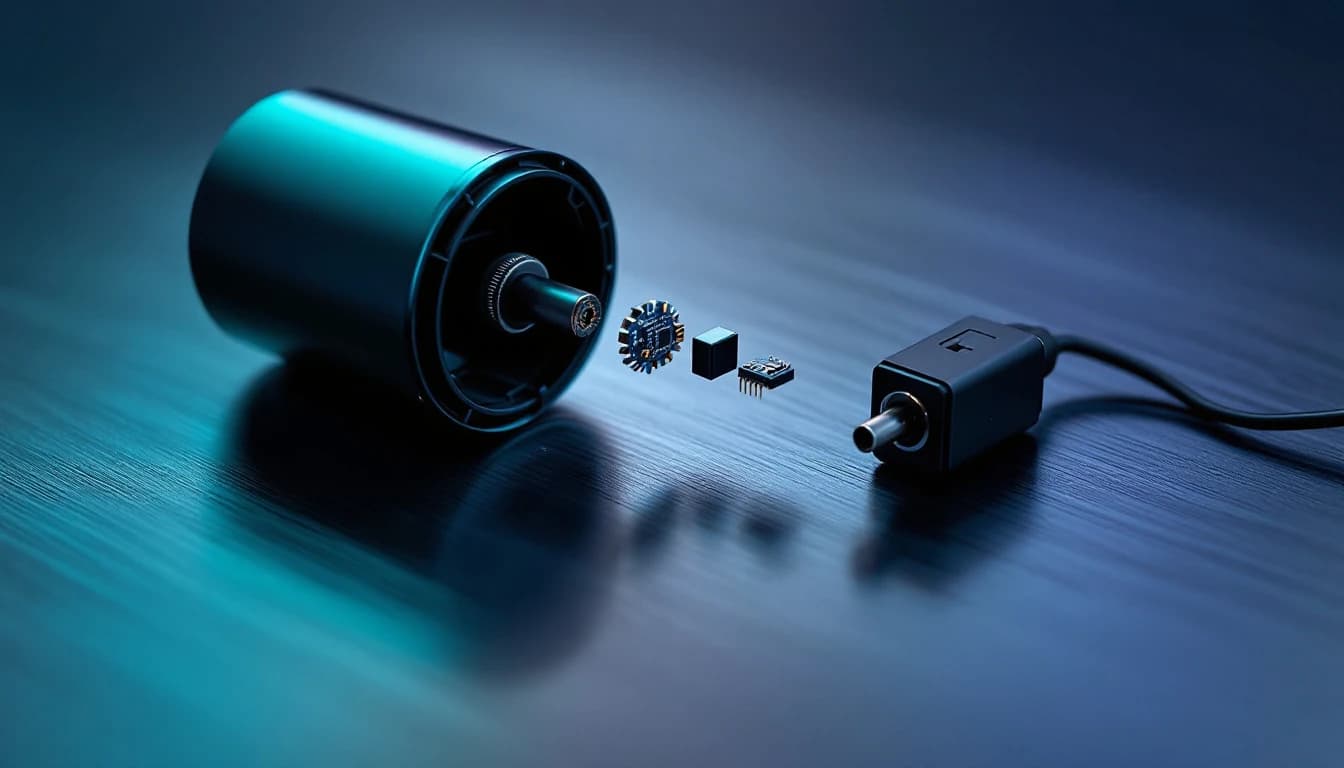
The second path removes the failure-prone motor from the equation entirely. An ELV emulator is a small electronic device that takes the place of the physical steering lock. Instead of driving a bolt in and out of the column, it satisfies the EIS handshake electronically — it answers the EIS's authentication and reports the "unlocked" status the EIS needs to continue the start sequence. To the EIS, everything looks correct, so the car starts normally. The mechanical part that kept wearing out is simply no longer in the loop.
Our Mercedes ELV emulator programming service is a flat $350. The emulator is programmed to your car's data so the EIS accepts it, and the recurring steering-lock motor failure is designed out. For many owners this is the more permanent answer: the motor that failed once is exactly the kind of part that tends to fail again, and an emulator ends that cycle.
"People come to me after their second ELV failure, and that is when the emulator conversation makes sense. The first time, some want to keep it factory and we repair or clone the unit. But when a customer is tired of the column clicking and the car stranding them, the emulator satisfies the EIS the same way the real lock does and the failure just stops happening. What I always tell them is that neither fix frees a column that is physically seized — if the mechanism is jammed hard, that is a mechanical job first." — Independent Mercedes module technician, 15+ years on EIS and steering-lock systems (anonymized)
How the emulator talks to the EIS
It is worth understanding the emulator at a slightly deeper level, because it explains both why it works and what it cannot do. The EIS does not care, electrically, whether a physical bolt actually moved. What it cares about is receiving the correct authenticated responses on the network and a valid "steering lock released" status before it proceeds. The genuine ELV provides those responses as a side effect of doing its mechanical job.
The emulator provides the same responses directly. Programmed with the data that pairs it to your specific EIS, it participates in the authentication sequence and returns the released status the EIS expects. Because the handshake is satisfied, the start sequence continues to the engine and the car runs. The mechanical unreliability of a small motor and its gear train — the actual root cause of the failure — is removed, because there is no longer a motor in the loop to fail.
This is also why the emulator is a targeted repair, not a universal one. It resolves the electronic-and-mechanical failure of the steering lock module itself. It does nothing for a steering column that is physically jammed, a broken lock cylinder housing, or unrelated electrical faults. Software and emulators address the module; they do not free seized metal.
What these services do NOT do
Clear scope prevents expensive disappointment.
- They do not free a mechanically seized steering column. If the lock bolt is jammed hard into the column or the mechanism is physically broken, that is a mechanical repair that has to come first. An emulator satisfies the EIS; it cannot move a stuck column.
- They do not cut or program keys. ELV and EIS work is about the steering-lock authentication, not key programming — that is a separate service.
- They do not repair unrelated EIS faults. If the ignition switch module itself is failing, that is its own diagnosis and repair.
- They do not bypass proof of ownership. Any steering-lock, security, or immobilizer-adjacent work requires documentation that the vehicle is yours before we begin.
- They do not authorize illegal use. This work is offered for legitimate repair and restoration where legally permitted, and the customer is responsible for compliance with all applicable local, state, and federal law.
The line that matters most: an emulator or a clone fixes the steering-lock module. It does not undo mechanical damage elsewhere in the column. If your wheel is physically jammed and will not turn by hand, tell us that up front, because the mechanical side has to be sorted before or alongside the electronic fix.
Repair-clone versus emulator — how to choose
Both paths are valid. The right one depends on what you value.
| Consideration | Repair / clone the ESL motor | Install an ELV emulator |
|---|---|---|
| Keeps factory steering-lock function | Yes — real lock still operates | No — physical lock is bypassed |
| Removes the failure-prone motor | No — same part type stays | Yes — motor is out of the loop |
| Flat price | $250 | $350 |
| Best for | Owners wanting fully factory behavior | Owners tired of repeat failures |
| Anti-theft steering lock retained | Yes | Replaced electronically |
| Recurrence risk | Same wear mechanism remains | Designed out |
If you want the car to remain exactly as the factory built it, repair or cloning keeps a genuine steering lock in operation. If you have already had one failure and simply want it to stop happening, the emulator ends the cycle by removing the mechanical part that keeps wearing out. Neither is universally "better" — they answer different priorities, and a technician can help you decide once your exact module is confirmed.
The mail-in workflow
Because this is bench work, you send a part, not the car. The sequence:
- Text us first. Send your VIN, the ELV/ESL part number off the module, a photo of the unit and its label, and a description of the symptoms — clicking at the column, wheel stuck, or no-crank no-start. Tell us specifically whether the steering wheel physically turns by hand.
- Get the right service confirmed. A technician confirms your chassis and module and recommends repair, clone, or emulator. This is also where a physically seized column gets flagged as a mechanical-first job.
- Provide proof of ownership. Steering-lock and security-adjacent work requires documentation that the vehicle is yours before we start.
- Remove and ship the unit. Send the ELV/ESL (and any related module we ask for) to PO Box 120241, Arlington TX 76012 if you ship USPS — or 1009 Oakwood Ln # 120241, Arlington TX 76012 if you ship UPS or FedEx (UPS and FedEx cannot deliver to a PO Box), packed in an anti-static bag and padded box.
- Bench work. On a regulated bench supply we read the relevant data, then repair, clone, or program the emulator to pair with your EIS.
- Verify and return. The unit is tested before it ships back with tracking, via the return shipping tier you chose at checkout (from $29.95).
For deeper background on the economics of the failure and the repair-versus-emulator decision, our Mercedes ELV failure true cost analysis and our Mercedes ESL motor repair and clone guide both go further than a how-it-works overview can.
Frequently asked questions
What are the symptoms of a failed Mercedes ELV/ESL? The classic signs are a clicking or grinding noise from behind the steering wheel on start-up, a steering wheel that stays locked and will not turn, and a no-crank no-start even though the key is recognized and the battery is healthy. The no-start happens because the ELV never reports "unlocked" to the ignition switch.
What is the difference between repairing the ESL and installing an emulator? Repairing or cloning the ESL keeps a genuine steering lock working — factory behavior, at a flat $250. An emulator, at a flat $350, bypasses the physical motor and satisfies the EIS handshake electronically, which removes the failure-prone part so the same failure cannot recur. Both are legitimate; they suit different priorities.
Will an emulator fix a steering wheel that is physically jammed? No. An emulator satisfies the electronic handshake with the EIS, but it cannot free a column that is mechanically seized or a lock bolt jammed hard into the shaft. A physically stuck mechanism is a mechanical repair that must be addressed first — software and emulators do not move seized metal.
Can I just install a used ELV from another car? Not directly. The ELV is paired to the EIS, so a random used unit fails the handshake exactly like any mismatched module. It has to be cloned with the correct data for your car, which is precisely what the repair-and-clone service does, or replaced with an emulator programmed to your EIS.
Which Mercedes models have this problem? It concentrates on several chassis from the 2000s and 2010s, with the W204, W207, and W212 among the commonly cited generations. Rather than promise any specific year is affected, a technician confirms your exact car and ELV part number before recommending a fix, because the correct service depends on the specific module fitted.
Do I need proof of ownership for this work? Yes. Steering-lock, security, and immobilizer-adjacent work all require documentation that the vehicle is yours before we begin, on every order without exception. This keeps the service a legitimate repair tool, which is exactly how it is offered.
The bottom line
The Mercedes ELV/ESL is a small motorized steering lock that sits in the start-up chain, and when it wears out it does not fail quietly — it locks the wheel, clicks at the column, and often stops the car from cranking because it never tells the EIS it has unlocked. Two legitimate repairs fix it: repair or clone the original ESL motor to keep factory behavior at a flat $250, or install an ELV emulator at a flat $350 that satisfies the EIS handshake electronically and removes the failure-prone motor for good.
Neither approach frees a physically seized column, neither programs keys, and neither skips proof of ownership — those are the boundaries that keep the work a genuine repair. This service is offered for lawful repair and restoration where permitted, and you are responsible for compliance with your local, state, and federal law.
To get started, see the Mercedes ELV emulator programming and Mercedes ESL motor repair and clone service pages, then text us your VIN, a photo of the module, and whether the wheel turns by hand. A technician confirms your exact car and the right fix before anything ships.
Ship it for the mercedes elv emulator programming — $350 flat
Typical 24-Hour Turnaround, return speed your choice at checkout. Prepaid inbound label by email the minute you order.