
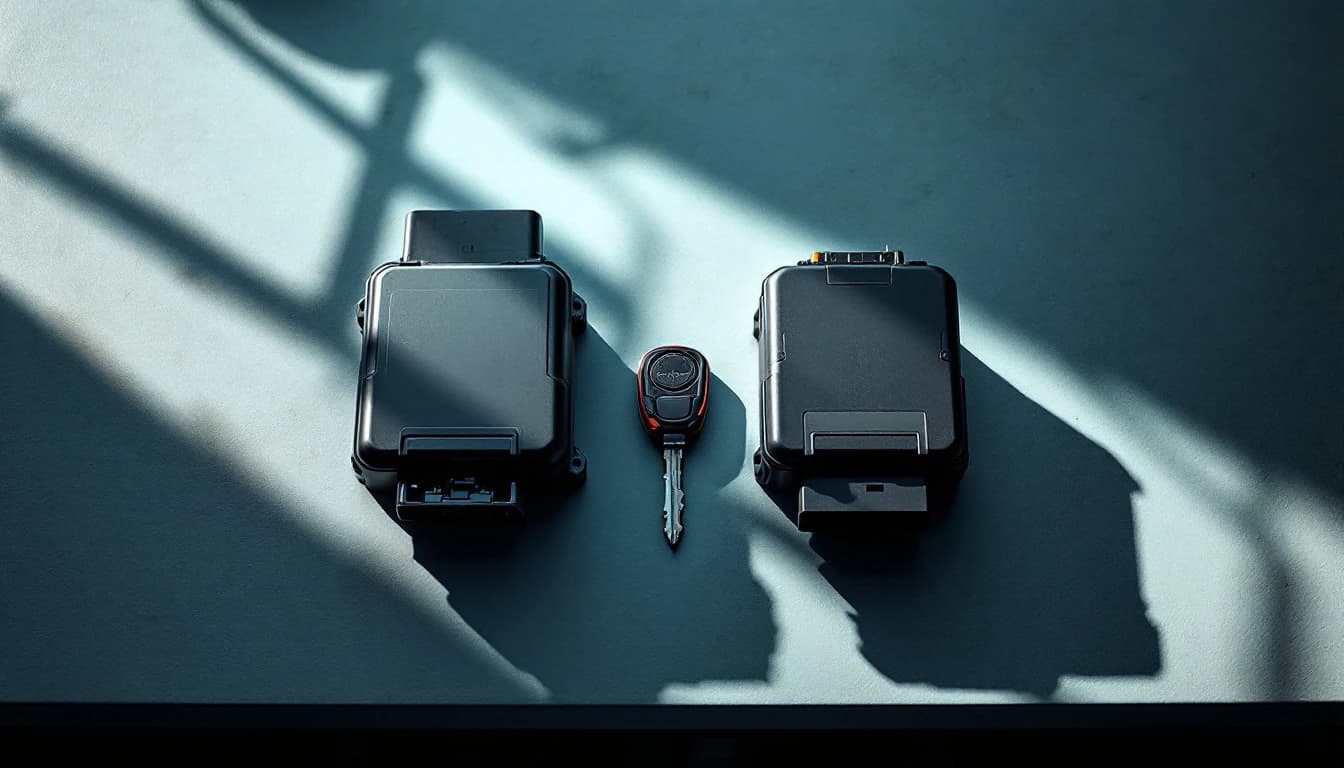
Fiat 500 Cranks, No Start After ECU Swap: Diagnosis
The symptom: it cranks, it does not run
You fitted a used engine computer to a Fiat 500. The connectors clicked home, the battery is charged, the starter spins the engine at a healthy speed, and nothing happens. Or it catches for a second and dies. The security light on the cluster stays on or blinks. You try again, you swap the fuses, you check the grounds, and it still will not run.
Here is the direct answer. A Fiat 500 that cranks with no start immediately after an ECU swap is, in most cases, an immobilizer mismatch. The donor ECU is healthy, but it still believes it belongs to another car, and your Body Computer refuses to authorize it. The fix is not another donor. The fix is to move your original ECU's immobilizer and VIN data onto the donor, or, in narrow legitimate cases, to take the immobilizer function out of the ECU.
This guide walks through the symptom, the likely causes, the checks worth doing before you ship anything, and what a realistic repair costs. It is deliberately about the engine ECU and the immobilizer relationship on the bench. If your problem is a lost or dead key, that is a different job, covered in our Fiat BCM key programming guide.
How the Fiat immobilizer chain works
Fiat's immobilizer, historically called Fiat CODE, is not one part. It is a conversation between three.
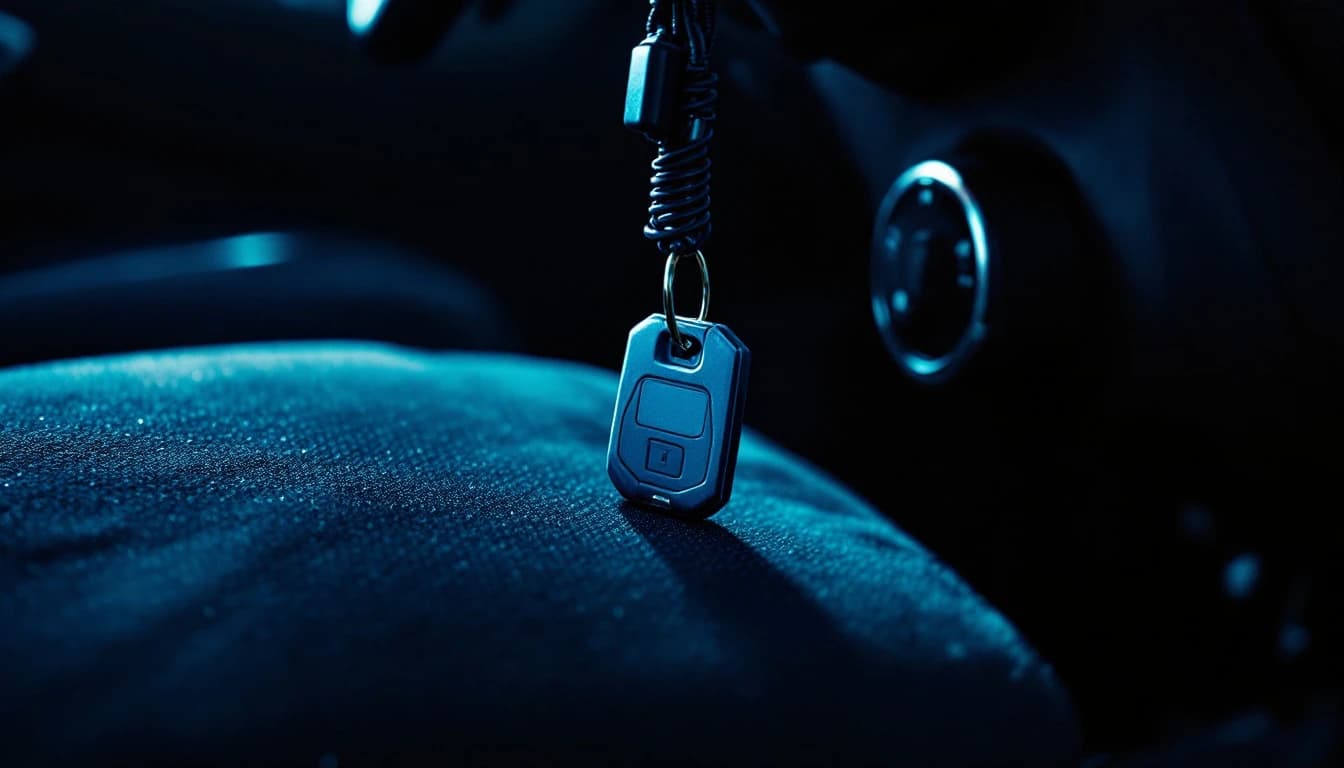
The key. Inside the key head is a transponder chip. It has no battery requirement for the immobilizer function; the ignition antenna around the barrel energizes it and reads its code.
The Body Computer. Fiat calls the body control module the Body Computer. On the 500 it is the immobilizer authority: it checks that the transponder code belongs to a key it knows. If it does, it moves to the next step.
The engine ECU. The Body Computer sends an authorization to the engine ECU over the vehicle network. The ECU checks that the authorization comes from the Body Computer it was paired with. If the answer is right, fuel injection and ignition are enabled. If it is wrong, the ECU refuses, and depending on the software the engine either never fires or starts and stalls within a second or two.
Every link in that chain stores something about the others. That is the whole point: a car cannot be started by swapping one part from another car, because the chain breaks at the first unfamiliar link. It is an effective theft deterrent, and the problem it solves is real. U.S. vehicle thefts totaled more than 850,000 vehicles in 2024, according to the National Insurance Crime Bureau. The side effect is that a legitimate owner fitting a used ECU runs into the same wall a thief would.
The general version of this problem, across brands, is explained in why a used ECU swap fails and cloning works. The Fiat version is simply one clear example of it.
Why a used ECU from another Fiat will not start yours
A used ECU arrives with three kinds of stored data: the engine calibration, the vehicle identity (including the VIN), and its half of the immobilizer pairing. The calibration may be a perfect match for your engine. The identity and pairing belong to the donor car.
When you install it, your Body Computer sends its authorization and the donor ECU does not recognize the sender. The donor ECU is waiting for a Body Computer that is sitting in a salvage yard. Nothing is wrong with either part; they have simply never met.
This is why buying a second donor almost never helps. The second donor has the same problem as the first, with a different stranger's identity inside it. The correction happens in the data, not in the hardware.
Symptoms and likely causes at a glance
Not every no-start after an ECU swap is the immobilizer. Use this table to narrow it down before you spend money.
| What you see | Most likely cause | Quick check | Is it an ECU immobilizer job? |
|---|---|---|---|
| Strong crank, no fire, security lamp on or blinking | Immobilizer mismatch between Body Computer and used ECU | Does the lamp behave the same with every key you own? | Yes, usually |
| Starts for a second or two, then dies, security lamp on | Immobilizer refusal after initial fuel delivery | Repeatable every attempt, no stored fuel faults | Yes, usually |
| Slow or clicking crank | Weak battery or poor connection | Battery voltage at rest and under cranking | No |
| Strong crank, no fuel pump prime at key-on | Fuel pump circuit, relay or fuse | Listen for the pump, check the fuse and relay | No, not first |
| Strong crank, fuel present, no spark | Ignition coil, crank sensor or wiring | Spark test, crank sensor signal | No |
| No communication with the ECU at all | Wrong ECU, damaged connector, blown supply, or dead ECU | Scan tool connection, ECU power and ground | Possibly, after wiring is cleared |
| Key not recognized, even on the original ECU | Key transponder, antenna ring or Body Computer | Try every key, inspect the antenna ring | No, that is a key or Body Computer job |
The column that matters most is the last one. Our Fiat 500 ECU immo clone service is explicit that it does not fix a no-start caused by fuel, spark, sensors, wiring or a dead battery, and it does not repair the Body Computer or the key antenna ring. Those checks have to come first.
Diagnostic steps before you ship anything
These are in order of cost, cheapest first. Most of them take minutes.
1. Confirm the battery
Measure the battery at rest and during cranking. A weak battery can crank the engine and still let the voltage sag far enough that modules brown out and the immobilizer handshake fails. A car that has sat while parts were swapped very often has a tired battery. Charge it fully and try again before anything else. If the car was jump-started during the swap, read our overvoltage and jump-start damage guide; a bad jump can damage a module that was healthy an hour earlier.
2. Read the codes
A proper scan will usually tell you where the chain broke. On-board diagnostics have been required on U.S. light vehicles for roughly 30 years, since the 1996 model year, per the EPA, and the protocols behind them are maintained through SAE International. An immobilizer refusal typically leaves a trace in the Body Computer or ECU memory. Fuel or ignition faults leave different codes. If the scan tool cannot talk to the ECU at all, stop and look at power, ground and connector condition before assuming the ECU is the problem.
3. Watch the security lamp
Turn the key to on and watch the cluster. On many Fiat systems the security lamp comes on briefly and goes out when the key is accepted. A lamp that stays on or blinks after the swap points at the immobilizer chain. Try every key you own. If every key behaves the same way on the swapped ECU, the keys are probably fine and the ECU pairing is the issue. If some keys work and others do not, look at the keys.
4. Confirm fuel and spark
Listen for the fuel pump at key-on. Pull a plug or use a spark tester. If there is no fuel pressure or no spark, you have a different fault, and ECU immobilizer work will not fix it. If there is fuel and spark but the engine will not run, or runs for a moment and cuts out, that pattern fits an immobilizer refusal.
5. Put the original ECU back in
This is the single most useful test. If the original ECU still works well enough to start the car, you have proven the immobilizer is the only difference, and you also know the original reads, which is exactly what a clone needs. If the original does not start the car either, the problem may be elsewhere, or the original may have failed, which changes the job. Our guide to how to know which module failed before you ship it covers this logic in more detail.
6. Check the antenna ring and keys
If the car does not recognize the key even with the original ECU installed, the fault is upstream of the engine computer. The ignition antenna ring and the key transponder are frequent culprits, and they mimic module failure well. See our immobilizer antenna ring fault guide.
"The Fiat 500s that come in as a dead ECU are usually two healthy ECUs and one car that has not been introduced to either of them. Check the battery and the security lamp first. The engine computer is the last thing to condemn, not the first." — European ECU bench technician, 15+ years of immobilizer and module cloning (anonymized)
Which Fiat 500 ECUs this applies to
The Fiat 500 ECU immo clone service lists the ECU families it supports, and those are the ones this guide applies to:
- Magneti Marelli IAW on the 1.4L naturally aspirated engine in the Fiat 500 hatch and Cabrio.
- Bosch ME7.9.10 on the 1.4 T-Jet turbo, including the Abarth 500.
- Bosch MED17 on MultiAir engines, including the 500L and 500X.
- Fiat 500e is verified case-by-case.
For North American owners, the modern Fiat 500 arrived here for the 2012 model year, and the brand is now part of Stellantis, formed in 2021. Current model information lives at FIAT USA. The 1.4 T-Jet and MED17 ECUs are Bosch engine management units, part of a long Bosch lineage described at Bosch Mobility.
These cars are now old enough that module failures are ordinary rather than exotic. The average light vehicle on U.S. roads reached a record 12.8 years in 2025, and passenger cars averaged roughly 14.5 years, per S&P Global Mobility. An early North American 500 is past that average, which is why used-ECU swaps on these cars are so common.
Matching the donor: part number first, model year last
The most expensive mistake in a Fiat ECU swap is buying the wrong donor. Two Fiat 500s of the same year can carry different ECU hardware or software variants depending on engine, transmission and market.
Match the donor by the part number on the ECU label, not by model year, trim or the seller's description. Photograph both labels, yours and the donor's, before you buy. We verify the part number from those photos before you ship, and a donor with a different part number or an incompatible hardware variant is not something we will clone onto, because the result would not be a plug-and-play ECU. If you have not bought a donor yet, our used module donor checklist and the guide to module part numbers and hardware-software compatibility are worth ten minutes.
The donor is not included in the service price. You source it, and we check it.
Clone versus immo-off: which one is right
The Fiat 500 ECU service offers two paths at the same flat price, and they solve different problems.
Clone is the default and the one most owners need. We read your original ECU's immobilizer and VIN data and write it onto the matching donor. The donor then answers your Body Computer exactly as your original did, the immobilizer stays fully in place, and your existing keys keep working. The mechanics of this are covered in how ECU cloning works. The one requirement is that the original still reads. An original that is internally dead or unreadable has no data to copy.
Immo-off turns the immobilizer function in the ECU off. It exists for legitimate repairs only: an orphaned platform where the original security relationship is broken and no viable dealer path is left, an engine swap, or an owner's own off-road or standalone build. It is not a shortcut around a lost key, and it is not something we do for anyone who cannot prove the car is theirs. Proof of ownership is required for immo-off work, without exception. Our broader guide on when an immobilizer delete is the right call sets out where that line sits.
Neither path includes emissions work of any kind. We do not perform DPF, EGR, catalyst or tune deletes on the Fiat 500 or on any other vehicle. This is immobilizer and identity work only.
What if the original ECU is dead?
If you are swapping the ECU because the original genuinely failed, and the original will no longer power up or read on the bench, a standard clone is not possible. Two options remain.
The first is recovery. Our advanced ECU and module recovery service, 350 dollars and evaluated before it is charged, covers board-level repair to restore communication, in-circuit memory reads, and chip-off reading when the board is beyond repair, followed by identity transfer to a donor. Its listed families include Bosch and Marelli units. Recovery is not guaranteed, because destroyed silicon or a cracked memory die can be unrecoverable, and we do not charge for a recovery we cannot deliver.
The second, where it applies legitimately, is the immo-off path on the donor, with proof of ownership. Which one fits depends on the car and the damage, and we will tell you before you pay.
Realistic cost
As of September 2026, the Fiat 500 ECU immo clone is 350 dollars flat, whether the job is a clone or a legitimate immo-off. Return shipping is added at checkout: 29.95 dollars standard, 54.95 dollars for UPS 2-day, or 94.95 dollars for UPS overnight. After purchase we email you a prepaid inbound label. You ship the original ECU and the part-number-matched donor together.
If the fault turns out to be in the Body Computer or the keys rather than the ECU, the relevant job is Fiat BCM key programming, also 350 dollars flat, which covers all-keys-lost key programming, Body Computer cloning to a donor and immobilizer data recovery on select Fiat and Abarth vehicles. Coverage there depends on the module part number and software, and some systems need an on-car sync afterward.
Turnaround is typically within 24 hours of receipt on most standard jobs, plus transit on the return tier you choose. That is a typical figure, not a guarantee.
Before any of that, check whether your VIN has an open recall on the part in question using the NHTSA recall lookup. An open campaign can change the math entirely.
When to call a pro, and when not to
Call a professional, or text us, when you have confirmed the battery, fuel and spark, the security lamp stays on or blinks with the swapped ECU, and the car starts on the original ECU or did until it failed. That profile is an immobilizer mismatch, and it is a bench job.
Do not ship an ECU when the crank is slow, when there is no fuel pump prime, when there is no spark, or when the car will not recognize the key even with the original ECU. Those are wiring, fuel, ignition, battery or key faults, and no ECU service fixes them. Our broader guide on immobilizer versus module no-start diagnosis covers the same logic across brands.
We are a national mail-in bench workshop. We do not do on-site visits, we do not repair mechanical engine or transmission damage, and we do not bypass proof of ownership.
Frequently asked questions
Why won't my Fiat 500 start after installing a used ECU?
Because the used ECU still carries the immobilizer pairing and VIN of the car it came from. Your Body Computer sends an authorization the donor ECU does not recognize, so the engine is refused even though both parts are healthy, and the fix is to clone your original ECU's data onto the donor.
Is the no-start definitely the immobilizer and not the donor?
Not definitely, which is why you check first. If the battery is strong, fuel and spark are present, the security lamp stays on or blinks, and the car starts on the original ECU, the immobilizer is by far the likeliest cause; without those checks, a fuel, spark or wiring fault is still possible.
What is the difference between cloning and immo-off on a Fiat 500?
Cloning copies your original ECU's immobilizer and VIN data onto the donor, so the immobilizer stays active and your keys keep working. Immo-off turns the ECU immobilizer function off and is reserved for legitimate repairs such as orphaned platforms and engine swaps, with proof of ownership required.
Which Fiat 500 ECUs can be cloned?
The service lists the Magneti Marelli IAW on the 1.4L naturally aspirated engine, the Bosch ME7.9.10 on the 1.4 T-Jet and Abarth, and the Bosch MED17 on MultiAir engines including the 500L and 500X. The 500e is verified case-by-case, and the donor must match by part number on the ECU label.
How much does a Fiat 500 ECU clone cost by mail?
It costs 350 dollars flat at Auto Module Lab as of September 2026, for either a clone or a legitimate immo-off. Return shipping is added at checkout from 29.95 dollars, the donor ECU is not included, and we email a prepaid inbound label after purchase.
Do you do emissions deletes or tunes while the ECU is on the bench?
No. We do not perform DPF, EGR, catalyst or tune deletes on the Fiat 500 or on any vehicle. The Fiat 500 ECU service is immobilizer and identity work only, and it does not change how the engine is calibrated for emissions.
The bottom line
A Fiat 500 that cranks but will not start after an ECU swap is usually not a bad donor. It is a Body Computer and an engine ECU that have never been paired. Prove it cheaply first: charge the battery, read the codes, watch the security lamp, confirm fuel and spark, and put the original ECU back in if you can.
If the immobilizer is the cause, the fix is data, not another donor. Cloning your original ECU onto a part-number-matched donor costs 350 dollars flat as of September 2026, plus return shipping from 29.95 dollars, and keeps the immobilizer and your keys intact. Text us your VIN and photos of both ECU labels, and we will confirm the part numbers and the right service before you ship or pay.
Sources and further reading: National Insurance Crime Bureau, S&P Global Mobility, EPA, SAE International, Stellantis, FIAT USA, Bosch Mobility, NHTSA.
Ship your module today
Flat-rate pricing, typical 24-hour bench turnaround, return speed your choice at checkout. Most jobs back on your bench within a week.
More from the Lab
Porsche Module Cloning Cost: DME, Alarm Box, BCM (2026)
13 min · September 23, 2026
How to Reset EWS on a BMW: DME Re-Sync Guide
13 min · September 23, 2026
Proof of Ownership for Immobilizer and Key Module Work
14 min · August 10, 2026
Sprinter START ERROR: What It Means and What Fixes It
14 min · August 4, 2026