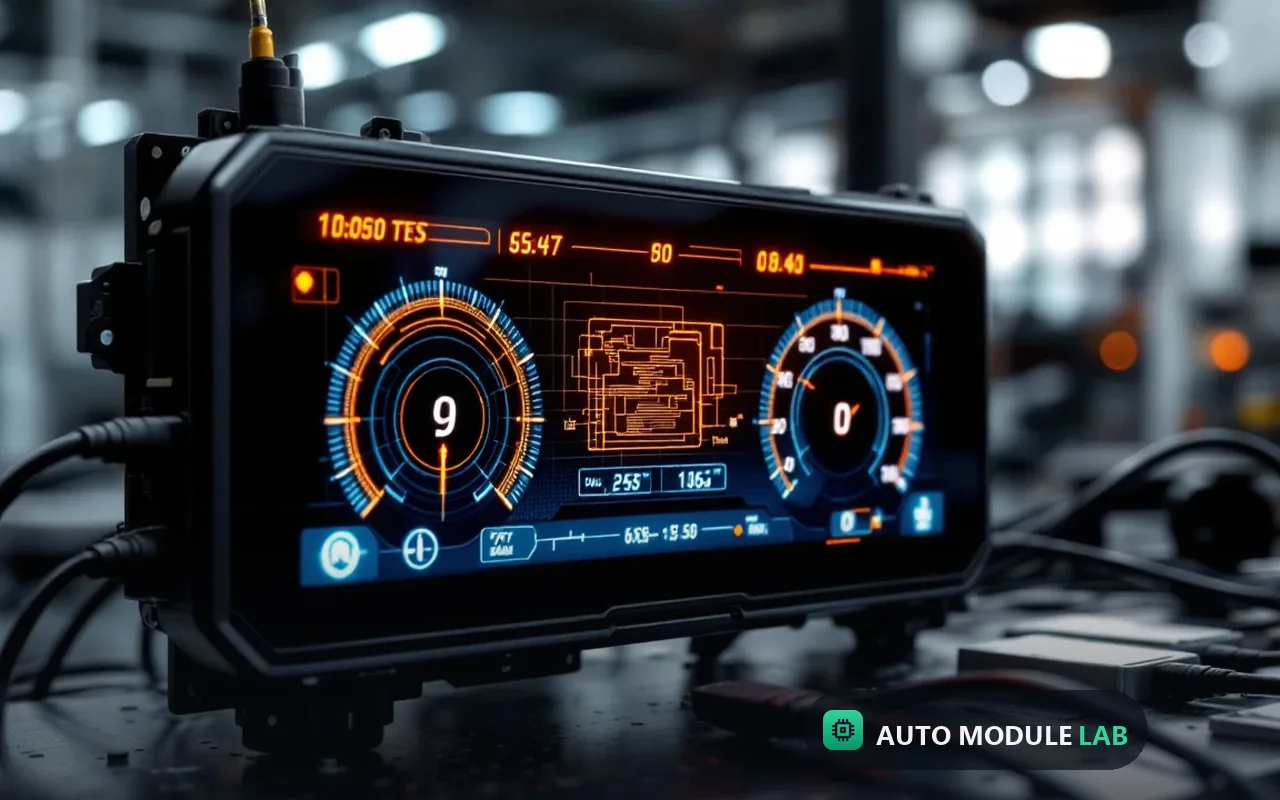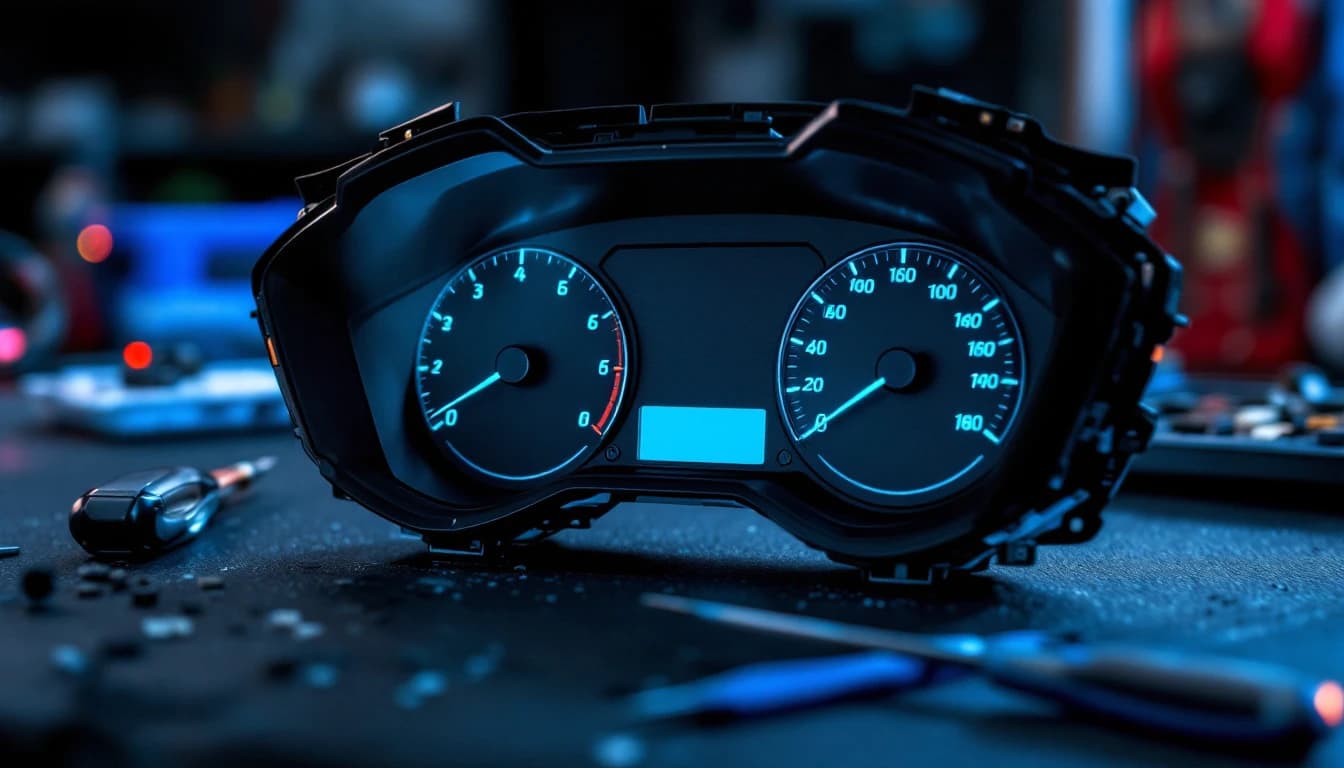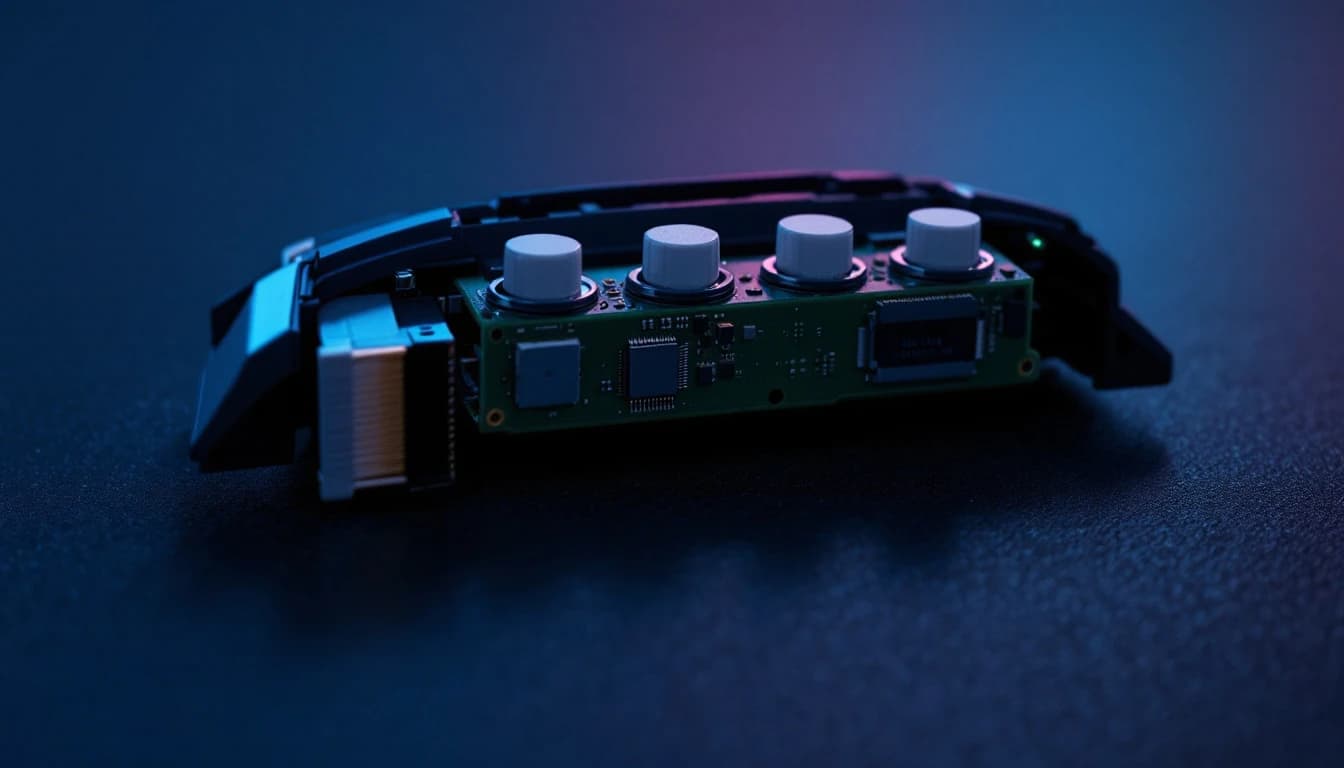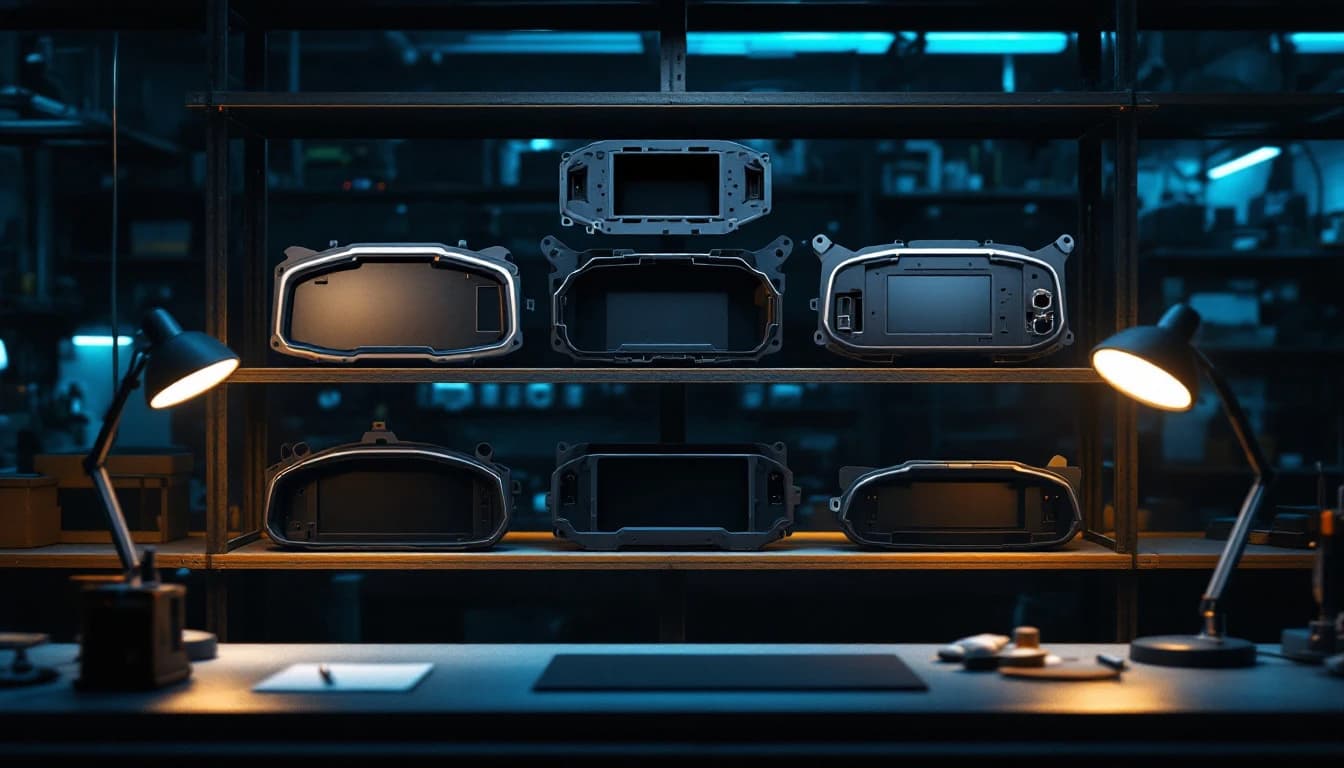
Instrument Cluster Repair by Supplier: VDO, Denso, Yazaki
Why the supplier on the label matters more than the badge on the hood
Ask what an instrument cluster repair involves and the honest answer is: which cluster? A dozen vehicle brands sell cars, but a much shorter list of electronics suppliers built the clusters inside them, and the supplier decides almost everything that matters on the bench. It decides which component is likely to have failed, whether the odometer reading lives in the cluster or elsewhere, whether the cluster is also the car's immobilizer, and therefore whether a replacement is a simple swap, a mileage-sync job or a security job.
This guide goes family by family through the suppliers behind most of the clusters we see: Continental and VDO, Bosch, Denso, Yazaki, Nippon Seiki, Visteon, Delphi and Magneti Marelli. For each one it covers the makes they commonly appear in, the typical failure, the data the cluster holds, and what a mail-in bench can and cannot do about it. If you want the failure-by-failure feasibility view instead, the what is fixable on an instrument cluster guide is the companion; this page is organised by who made the part.
Two cautions before the list. Suppliers change across a model's life and even within a model year, so the attributions below are the common cases, not guarantees, and the label on the back of your own cluster is the only authority. And nothing here is a recipe for altering mileage. Every mileage operation we perform synchronizes a replacement cluster to the vehicle's true reading, and the reasons are set out in the odometer correction legality guide.
How to find out who built your cluster
Pull the cluster, or look at the photos from whoever did, and read the label on the back. Most clusters carry the supplier's name or logo beside the vehicle manufacturer's part number: VDO or Continental, Bosch, Denso, Yazaki, Nippon Seiki, Visteon, Delphi or Marelli. Where the name is missing, the part-number format and the style of the connector usually give it away, and a photo of the label with the VIN is enough for us to tell you which family you have before you ship anything.
The reason to bother is scale. The average light vehicle on U.S. roads was about 12.6 years old in 2024 according to S&P Global Mobility, which means the clusters failing today were built across two decades by suppliers that each had their own recurring weak point. Knowing the family tells you, before the box is opened, roughly what the fault is going to be.
Continental and VDO
Where you find them. VDO, now part of Continental, supplied an enormous share of European clusters: BMW of the E38, E39, E46 and E53 era, Mercedes of the W210, W211, W220 and R170 era, Volkswagen and Audi across the Mk4 through Mk6 Golf and Jetta, the B5 through B7 Passat and the corresponding Audis, and Porsche of the 996 and 997 years. Continental also supplied Chrysler and Jeep clusters of the 2007 onward generation. Continental is one of the largest automotive suppliers in the world, with group sales of roughly 41 billion euros in 2023 according to Continental.
What fails. The signature VDO fault is pixel loss: the LCD display in the cluster or the multi-information display goes blotchy, loses rows of pixels and eventually goes blank, because the flexible ribbon bonding the display to the board loses contact. Stepper-motor gauges that stick, backlight failures and corrupted memory are the other recurring faults.
What the cluster holds. Mileage on nearly all of them, and on Volkswagen and Audi of the IMMO 3 and IMMO 4 generations the immobilizer data as well. That second point changes the job entirely: a VW or Audi cluster is a security module, and a replacement without the immobilizer data transferred is a car that cranks and never starts.
What the bench does. Pixel and ribbon repair, stepper and backlight replacement and memory recovery under the instrument cluster repair and mileage sync service at $200, with the mileage left exactly where it was. On VW and Audi, a cluster clone at $250 moves VIN, true mileage, immobilizer data and coding onto a donor dash, and cluster key programming at $250 reads the immobilizer data on the bench for add-a-key or all-keys-lost. The VW and Audi cluster clone and dash swap guide covers the swap case in detail.
Bosch
Where you find them. Bosch supplied clusters alongside VDO, most visibly the Audi A4 and related models of the early-to-mid 2000s, as well as a share of Mercedes and Porsche units. Bosch is better known for engine management, which is relevant here because a Bosch cluster and a Bosch engine computer in the same car often share the immobilizer relationship.
What fails. LCD segments and backlights, stepper gauges, and memory faults that take the odometer display down.
What the cluster holds. Mileage, and on the Audi units the immobilizer data, in the same way as the VDO VW clusters. The Audi cluster of that era is the component that decides whether the car starts.
What the bench does. Repair at $200 with mileage untouched; immobilizer-aware clone or key work at $250 where the platform is covered. We confirm the platform from the label first, because Bosch and VDO clusters in the same model range behave differently on the bench.
Denso
Where you find them. Denso is Toyota's historic electronics partner and built the bulk of Toyota and Lexus clusters, plus a share of Honda and Acura units. Denso reports revenue of roughly seven trillion yen a year, which gives a sense of how many of these are in service.
What fails. Cold solder joints that open with age and heat, so the cluster flickers, loses its odometer display or dies entirely until the dash is tapped; backlight failures; and on Lexus, the display sections that serve the trip computer. The electronics are generally robust and the failures are mechanical ones on the board, which makes them good candidates for repair.
What the cluster holds. Mileage. Toyota and Lexus keep the immobilizer relationship in the engine computer or the Certification ECU rather than the cluster, so a Toyota cluster swap is a mileage-sync job, not a security job.
What the bench does. Solder, backlight and display repair at $200 with the mileage left as it is, and mileage synchronization to the true figure when a donor cluster is being fitted. If the car's problem is a no-start rather than a dead dash, the cluster is the wrong module; the Toyota and Lexus module cost guide lists the engine-computer and immobilizer services instead.
Yazaki and Nippon Seiki
Where you find them. Yazaki and Nippon Seiki between them supplied a large share of the clusters in Japanese-brand cars sold here: Honda and Acura, Nissan and Infiniti, Subaru, Mitsubishi and some Mazda, along with a great many motorcycle clusters from Nippon Seiki.
What fails. Fading and dimming displays, capacitor ageing that dims the whole cluster, dead backlighting, and stepper gauges that drift or stick. Honda's two-tier clusters of the late 2000s are a common arrival with a dark upper display.
What the cluster holds. Mileage, almost universally. Honda keeps its immobilizer in the engine computer and the immobilizer control unit rather than the cluster; Nissan spreads body and security functions across other modules. A cluster swap on most of these cars is therefore a mileage question rather than a security one, though it still has to be synchronized correctly.
What the bench does. Display, backlight, capacitor and stepper repair at $200, and mileage sync when a donor is fitted.
Visteon
Where you find them. Visteon was spun out of Ford and built the clusters for a large part of the Ford, Lincoln and Mercury range of the 2000s, the F-150, Expedition, Mustang, Explorer and Focus among them, as well as some Mazda units from the years when the two companies shared platforms. Visteon is still a major cluster and cockpit supplier today.
What fails. Solder joints under the gauge drivers and the backlight, dead or flickering odometer displays, and stepper gauges that fall out of calibration. The 2004 to 2008 F-150 and the clusters that share its design are the most common arrival.
What the cluster holds. Mileage, and on many Fords of that era the cluster is also the anti-theft controller. That is the Visteon-specific trap: a replacement Ford cluster from a salvage yard is a security component from another car, and the vehicle will not start until the anti-theft side is dealt with, regardless of how good the gauges look.
What the bench does. Board-level repair of your own cluster at $200, which sidesteps the security problem completely because your original keeps its identity. Where a donor is unavoidable, the mileage is synchronized to the true figure and the anti-theft side has to be handled as a separate security job with proof of ownership.
Delphi and Delco
Where you find them. General Motors trucks and SUVs of the 2003 to 2006 generation, the Silverado, Sierra, Tahoe, Suburban, Yukon, Escalade and their cousins, along with many GM cars of the same era.
What fails. This is the best-known cluster failure in the country: the stepper motors behind the gauges wear and the needles stick, peg, read wrong or sit at zero. Backlight failures and the odometer and gear display going dark follow close behind. The fault is mechanical and the repair is routine.
What the cluster holds. Mileage and, through the vehicle's theft-deterrent system, a relationship with the body and engine computers that a replacement cluster has to be taught. The GM cluster coding, VIN and theft-deterrent guide explains why a GM cluster is not a plain swap.
What the bench does. Stepper and backlight repair under the $200 service; the GM cluster upgrade and mileage program at $300 when you want a higher-trim cluster or a donor fitted with the mileage and VIN carried over correctly; and the Denali cluster upgrade kit at $699 for a brand-new programmed unit on the 2014 to 2020 trucks and SUVs. On the later Global A vehicles a used cluster can also arrive VIN-locked, which is what the GM HMI, radio and cluster VIN unlock at $250 addresses. The GM module cost guide puts all of those beside the rest of the GM catalog.
Magneti Marelli
Where you find them. Fiat and the Fiat-era Chrysler, Dodge and Jeep products, Alfa Romeo and Maserati, and a share of Volkswagen Mk4 clusters that were built by Marelli rather than VDO.
What fails. Display and backlight faults, stepper gauges, and memory corruption that takes down the odometer.
What the cluster holds. Mileage, and on the Marelli-built VW clusters the immobilizer data in exactly the same way as their VDO equivalents. The Fiat-group clusters also sit on the vehicle's security network and are configured to the car. The Chrysler, Dodge and Jeep module cost guide covers the modules a Mopar cluster has to agree with.
What the bench does. Repair at $200 with mileage untouched; on the VW Marelli clusters, the same clone and key services as the VDO units at $250.
The families side by side
| Supplier family | Commonly found in | Signature failure | What the cluster holds | Bench service and price |
|---|---|---|---|---|
| Continental / VDO | BMW, Mercedes, VW, Audi, Porsche, Chrysler, Jeep | LCD pixel loss, steppers, backlights | Mileage; immobilizer on VW and Audi | Repair $200; VW/Audi clone or key work $250 |
| Bosch | Audi, some Mercedes and Porsche | LCD segments, backlights, memory | Mileage; immobilizer on Audi | Repair $200; clone or key work $250 where covered |
| Denso | Toyota, Lexus, some Honda and Acura | Cold solder joints, backlights, display sections | Mileage | Repair $200; mileage sync on a donor |
| Yazaki / Nippon Seiki | Honda, Nissan, Subaru, Mitsubishi, some Mazda | Fading displays, capacitor dimming, steppers | Mileage | Repair $200; mileage sync on a donor |
| Visteon | Ford, Lincoln, Mercury, some Mazda | Solder joints, backlights, steppers | Mileage; anti-theft controller on many Fords | Repair $200; donor needs a separate security job |
| Delphi / Delco | 2003 to 2006 GM trucks, SUVs and cars | Stepper motors stick and peg, backlights | Mileage; theft-deterrent relationship | Repair $200; GM upgrade $300; Denali kit $699; VIN unlock $250 |
| Magneti Marelli | Fiat, Fiat-era Chrysler and Jeep, Alfa, Maserati, some VW | Displays, steppers, memory | Mileage; immobilizer on VW units | Repair $200; VW clone or key work $250 |
Prices are the flat bench fees from the linked service pages. Return shipping is chosen and paid at checkout from $29.95.
"The label on the back tells me more than the car does. A VDO cluster out of a Jetta is a security module and I treat it like one. A Denso cluster out of a Camry is a board with tired solder on it. Same shelf, completely different job." — Independent cluster and module repair technician, 14+ years (anonymized)
Mileage: synchronized to the truth, never altered
Every supplier family above stores the odometer reading in the cluster, and most of them keep a copy in at least one other module, which is why a replacement cluster that is not synchronized shows the wrong mileage and, on many platforms, throws a mismatch fault. Synchronizing a replacement to the vehicle's true reading is a legitimate and necessary repair step. Setting it to anything else is a federal crime.
The scale of the problem is why we are strict about it. The National Highway Traffic Safety Administration estimates that roughly 450,000 vehicles are sold each year with false odometer readings, costing buyers well over a billion dollars annually, and Carfax reported in 2024 that more than two million vehicles on U.S. roads carry rolled-back odometers. Our mileage work is documented, it moves only toward the true figure, and we will not take an order that asks for anything else.
When the cluster is not the problem
A dark dash is not always a dead cluster. A blown fuse, a failed ignition switch feed, a corroded connector behind the dash, a body module that has stopped sending data, or a network fault that has taken several modules offline all produce a cluster that appears dead. The dead gauges diagnosis guide walks through the checks that prove the cluster is at fault before you remove it, and the bench evaluation at $150 per hour exists for the cases where the cluster has arrived and nobody is yet sure. Where a cluster is genuinely beyond repair, we say so before any work is charged, and the instrument cluster repair and programming cost guide sets out what the donor route costs instead.
What to send
Ship the cluster only, in a padded box with the lens protected. Include the VIN, the last known true mileage, a description of the fault, and a photo of the label if you have not already sent it. For any VW, Audi or Ford cluster job that touches the immobilizer or anti-theft side, proof of ownership is required and we decline work that cannot provide it. Typical bench turnaround is a business day once the cluster arrives, and we text updates to the number on the order.
Frequently asked questions
How do I know who made my instrument cluster? Read the label on the back of the cluster, which almost always names the supplier beside the vehicle manufacturer's part number: VDO or Continental, Bosch, Denso, Yazaki, Nippon Seiki, Visteon, Delphi or Marelli. If the name is missing, a photo of the label with your VIN is enough for us to identify the family before you ship.
Does the supplier change what a cluster repair costs? The repair of your own cluster is $200 regardless of who built it, with the mileage left exactly where it was. What the supplier changes is the job when a donor is involved: a VW or Audi cluster is also the immobilizer, so a clone or key job is $250, and a GM cluster upgrade with the mileage and VIN carried over is $300.
Which clusters hold the immobilizer? VW and Audi clusters of the IMMO 3 and IMMO 4 generations, whether built by VDO, Bosch or Marelli, carry the immobilizer data, and many Fords of the 2000s use the cluster as the anti-theft controller. Toyota, Lexus, Honda and Nissan keep the security relationship in other modules, so their cluster swaps are mileage jobs rather than security jobs.
Can you fix the pixels on a VDO cluster display? Yes. Pixel loss on the VDO and Continental clusters in BMW, Mercedes and VW of the late 1990s and 2000s is a ribbon-bond failure between the display and the board, and repairing it is routine bench work under the $200 service, with your mileage and, on VW and Audi, your immobilizer data untouched.
Why do GM truck gauges stick and peg? The Delphi clusters in 2003 to 2006 GM trucks and SUVs use stepper motors behind the needles that wear with age, so gauges stick, read wrong or peg. Replacing the steppers is a standard repair, and if you would rather have a higher-trim cluster the GM upgrade at $300 fits a donor with the mileage and VIN carried over correctly.
Will my replacement cluster show the right mileage? Only if it is synchronized to the vehicle's true reading, which is a documented step in every donor job we do. We never set mileage to any figure other than the truth, and we decline orders that ask for it.
Do you need the car, or just the cluster? Just the cluster. Every service on this page is mail-in bench work at our Arlington, Texas workshop; the car stays where it is, and the cluster travels in a padded box with the VIN, the true mileage and a description of the fault.
The bottom line
The supplier on the back of the cluster tells you what has probably failed and what the repair involves before the box is opened. VDO, Bosch and Marelli clusters in European cars fail at pixels, steppers and memory and, on VW and Audi, are security modules. Denso, Yazaki and Nippon Seiki clusters in Japanese cars fail at solder joints, backlights and fading displays and hold mileage only. Visteon clusters in 2000s Fords fail at solder and backlights and are often the anti-theft controller. Delphi clusters in 2003 to 2006 GM trucks fail at the stepper motors. Repairing your own cluster is $200 whoever built it and leaves the mileage where it was; a donor job is a mileage sync at minimum and a security job where the platform demands it, at $250 for VW and Audi and $300 for a GM upgrade. Read the label, send the photo, and the right job is obvious from the start.
Ship it for the instrument cluster repair + mileage sync — $200 flat
Typical 24-Hour Turnaround, return speed your choice at checkout. Prepaid inbound label by email the minute you order.